




Winter lasts from December through March with long periods of snowfall, freezing temperatures and short daylight hours. December and January are the coldest months of the year. February sometimes brings a mix of winter and spring weather with sneak peeks of warmer temperatures and more sunshine. March begins with cold weather at the start of the spring season in Utah. Early spring is prone to cold fronts, and the arid land has sizable daily temperature differences. A moderate amount of rain falls in March, and the rest takes the form of snow. In April, temperatures rise with the advance of the spring. Measurable snowfall recedes and most ski resorts end operations around mid-April. Spring blooms, rain showers and increasing sunshine dominate the last two weeks of April. Typically, May is a very pleasant month, although higher elevations may still have snow. In June, summer kicks off with enjoyable temperatures, abundant sunshine, and occasional rainfall. July and August are the warmest months of the year. These are the driest months with the least amount of rain. The beginning of September can still bring some hot days, but this is usually when temperatures start to cool. Fall leaves start to change color in September and really hit their peak by October when temperatures continue to cool, and light snow begins to fall. November, temperatures have gone from warm to cold. Snow begins to accumulate in the mountains and ski resorts tend to open toward the end of the month.

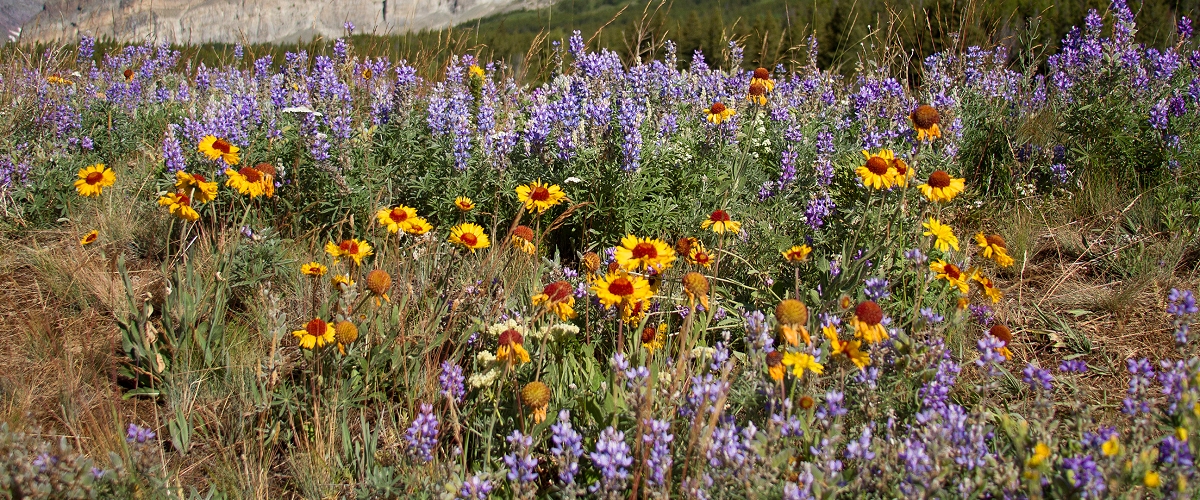
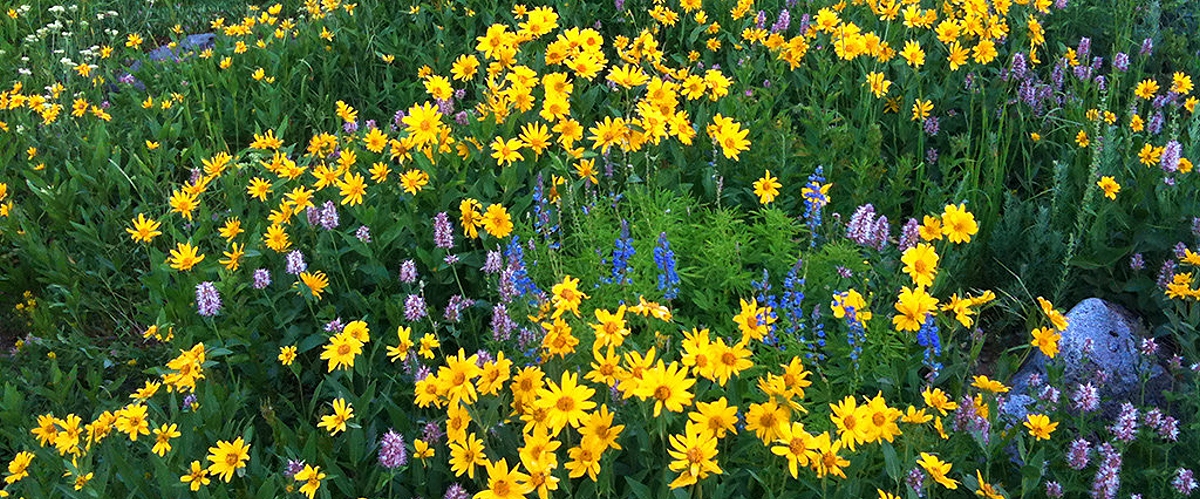
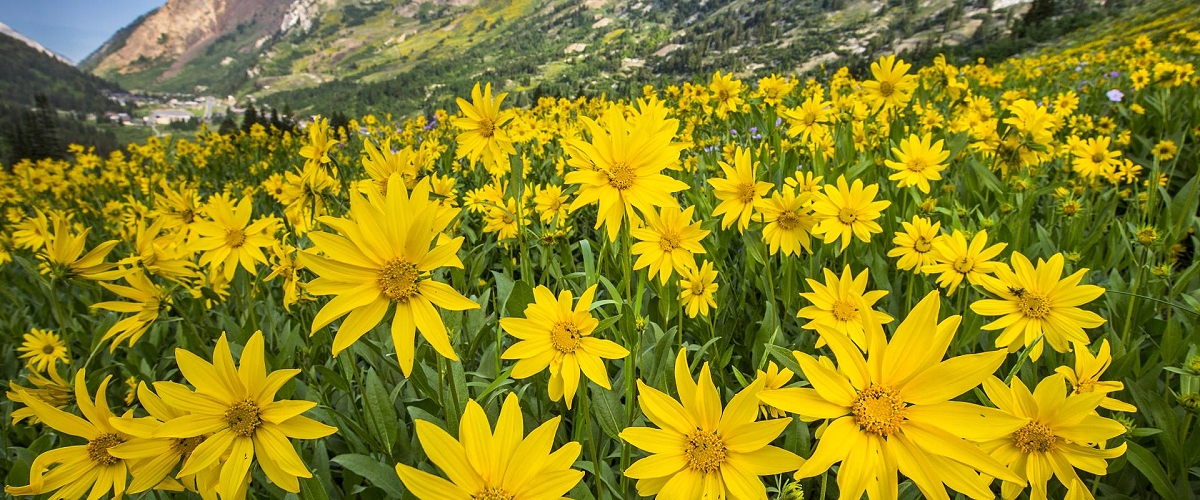


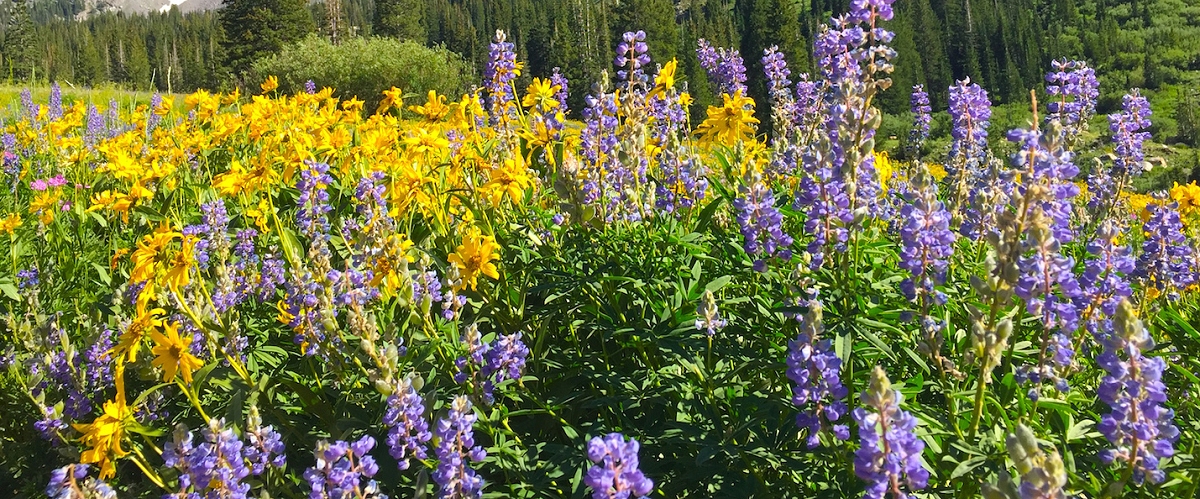
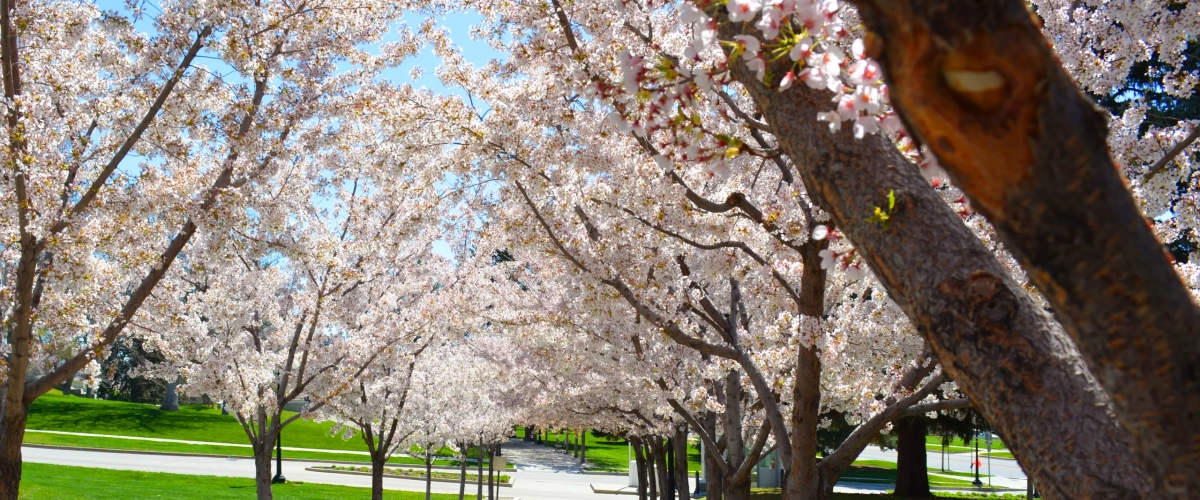
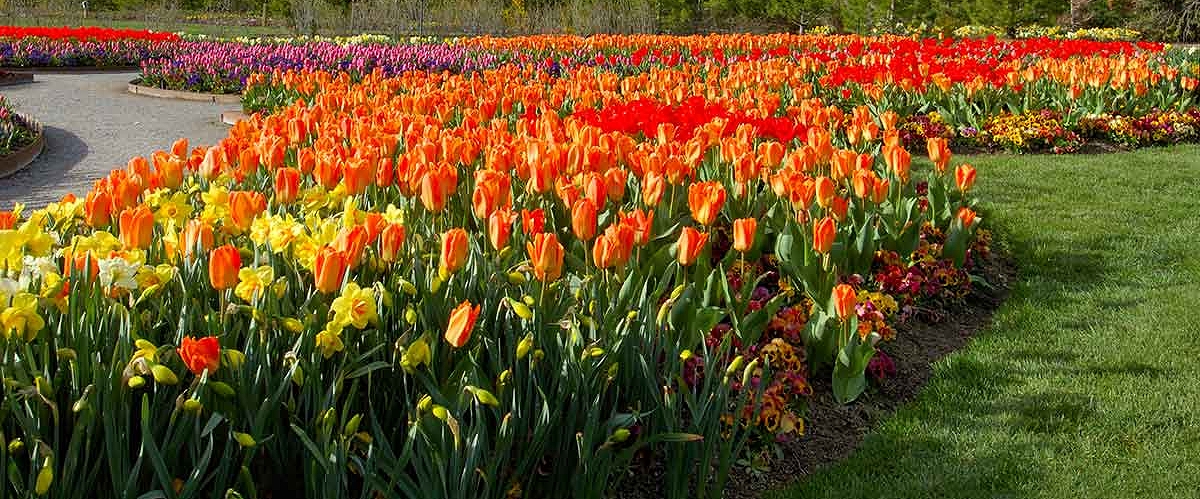

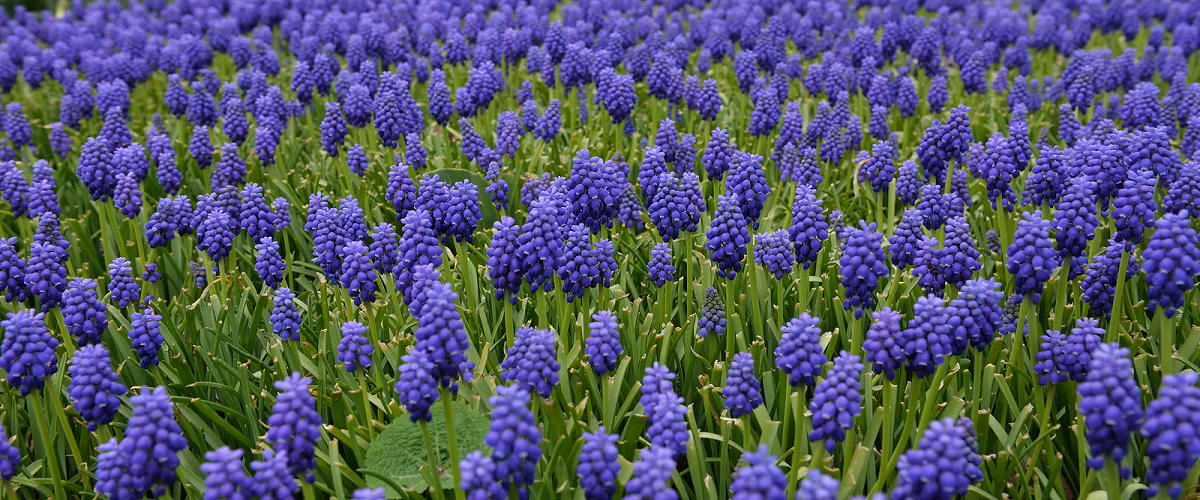
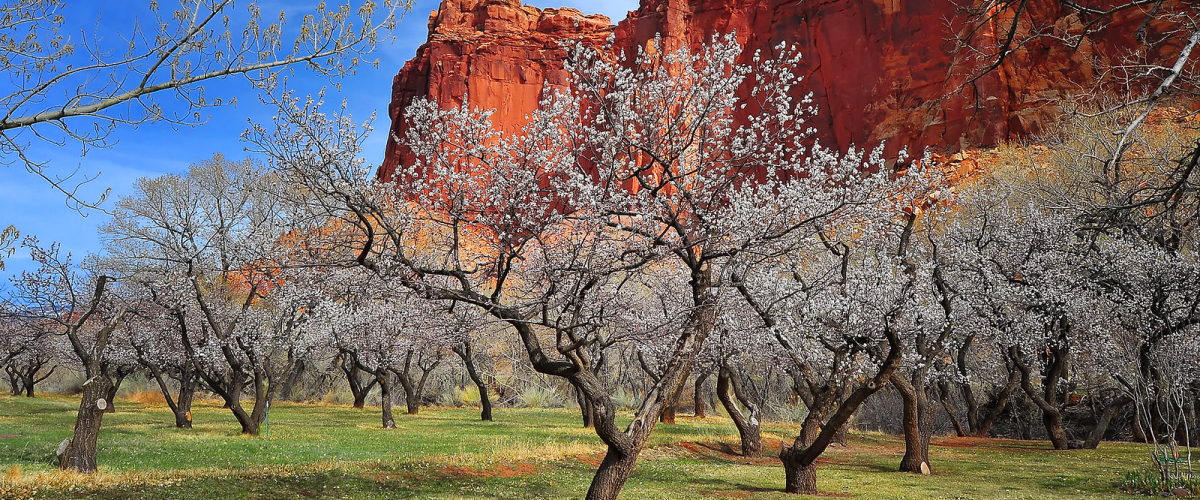


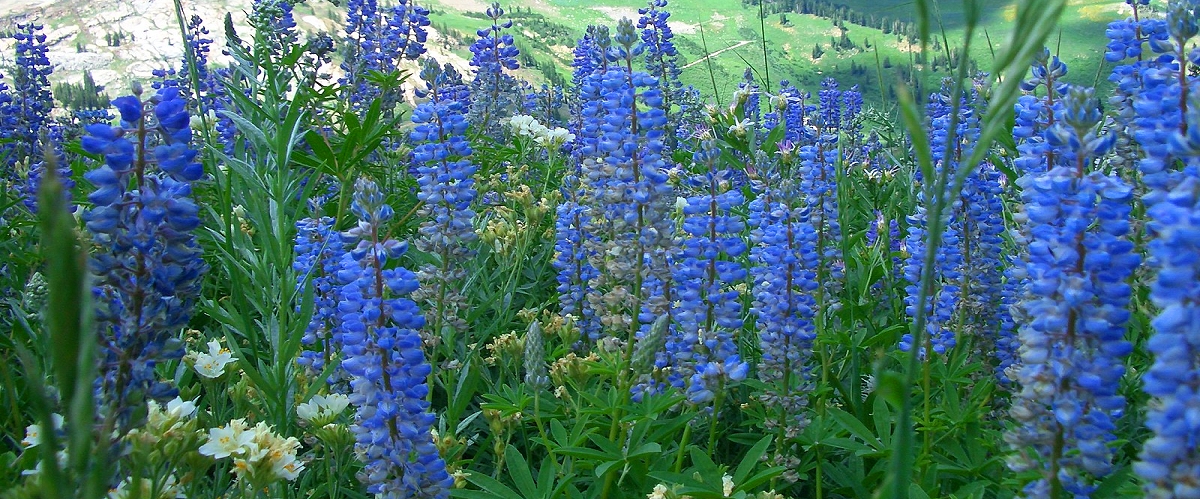
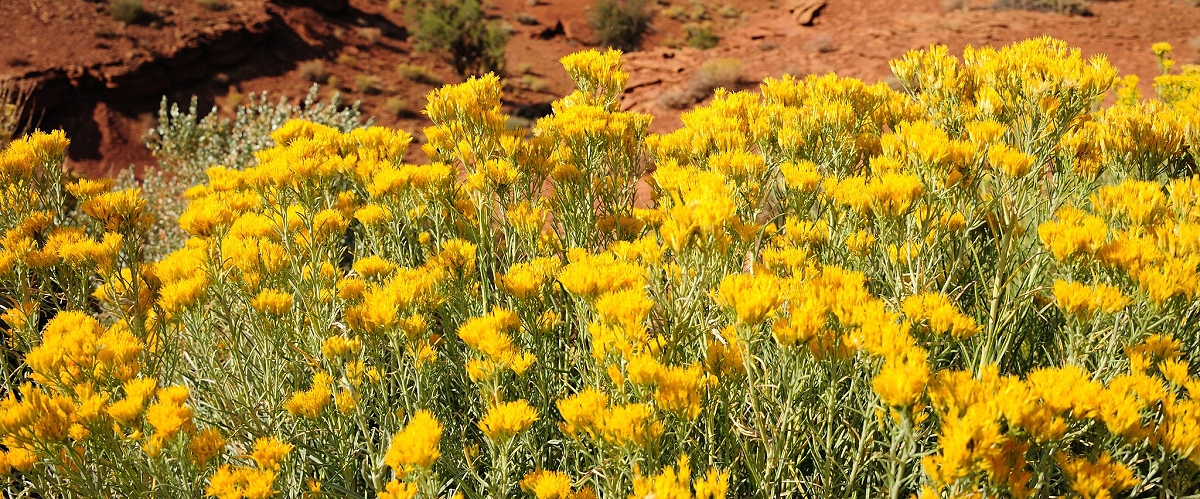
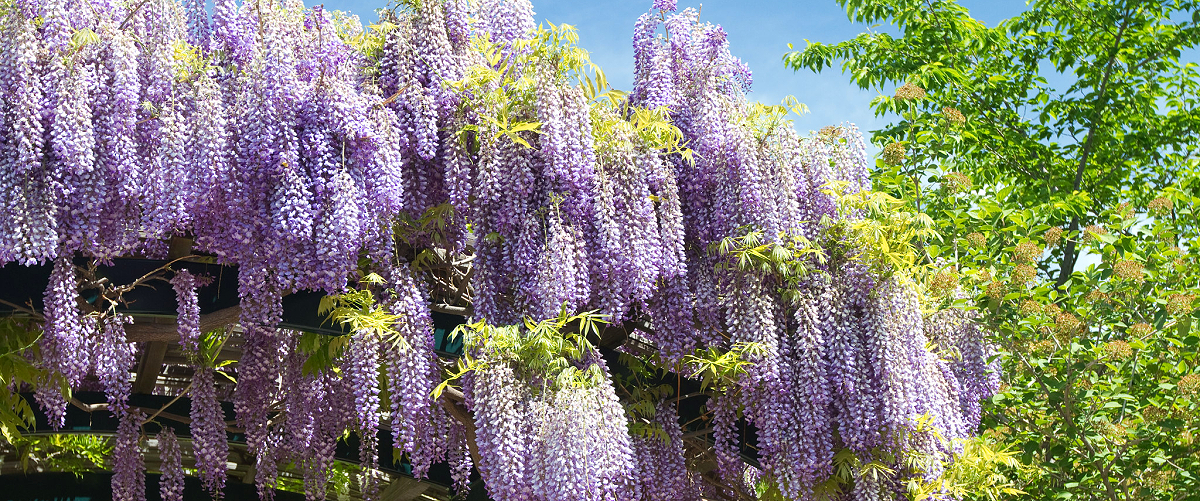

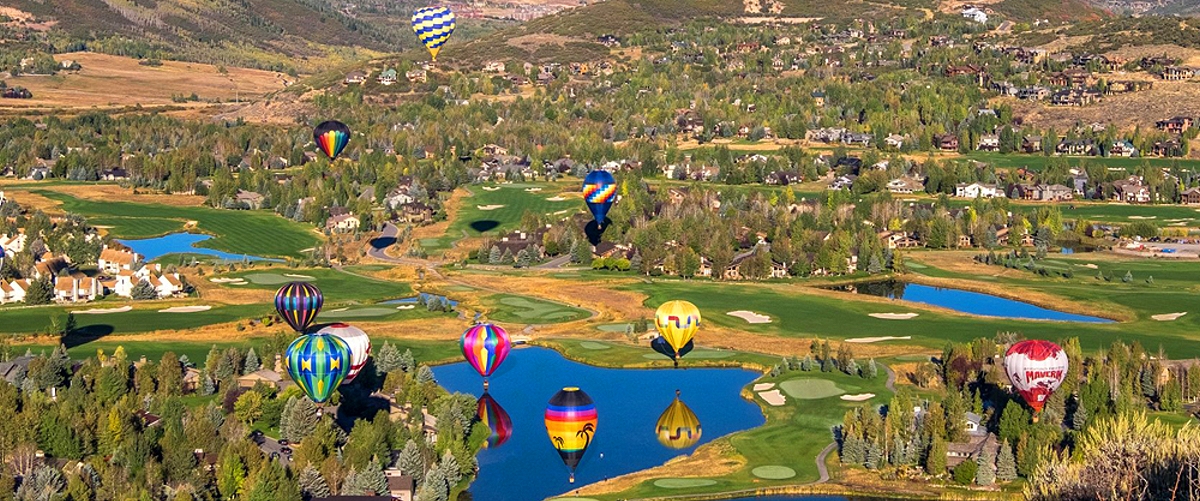
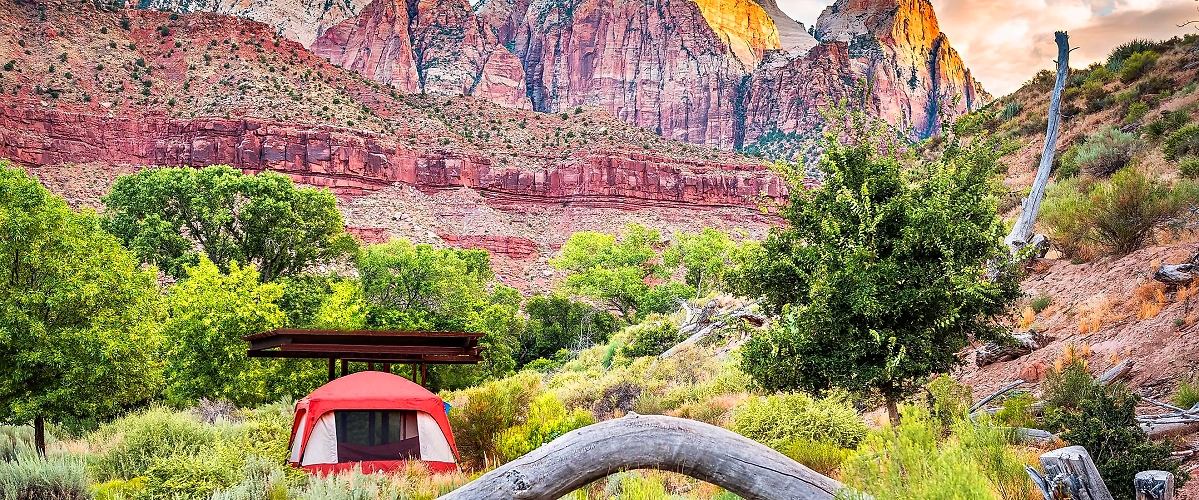

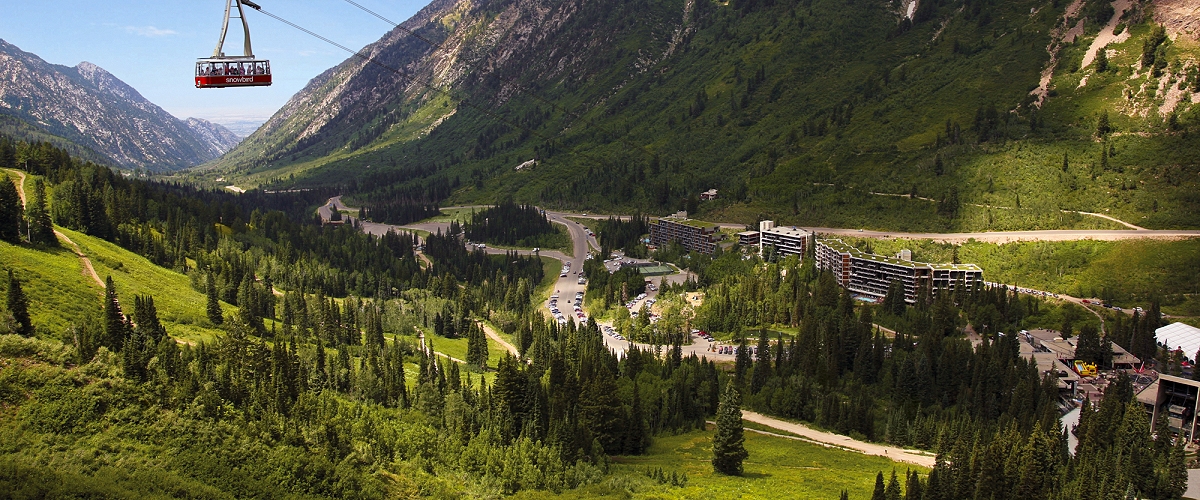

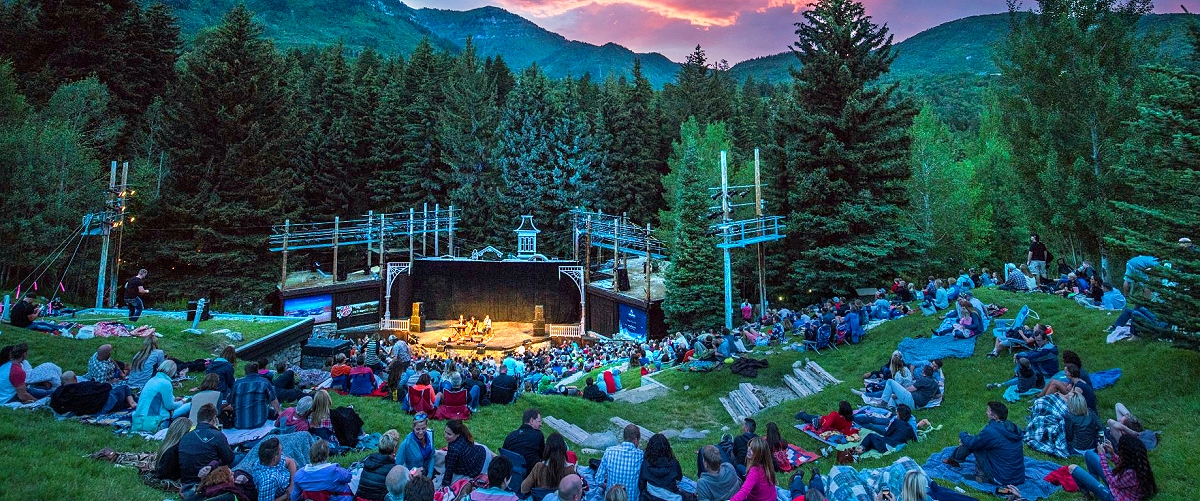
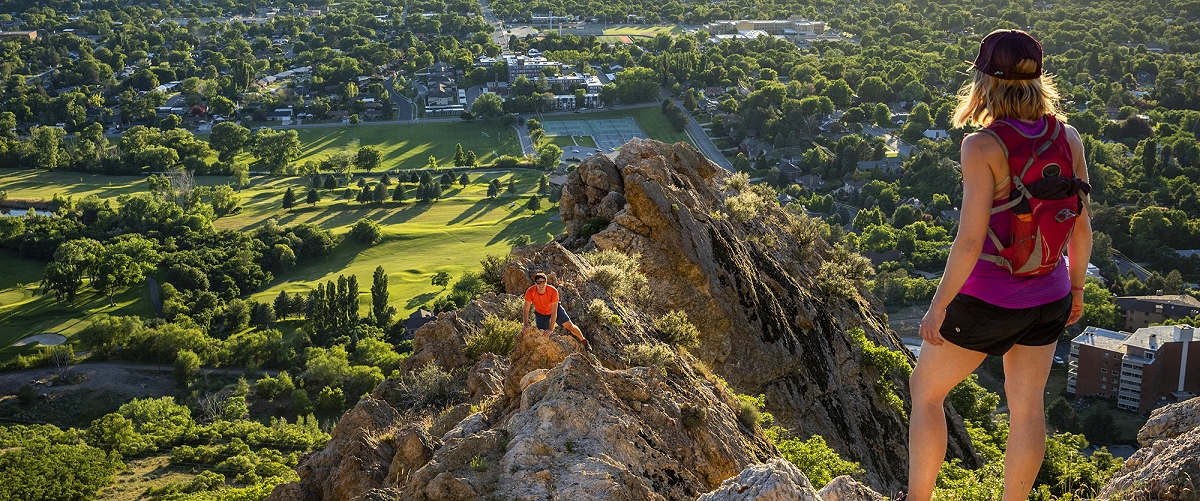
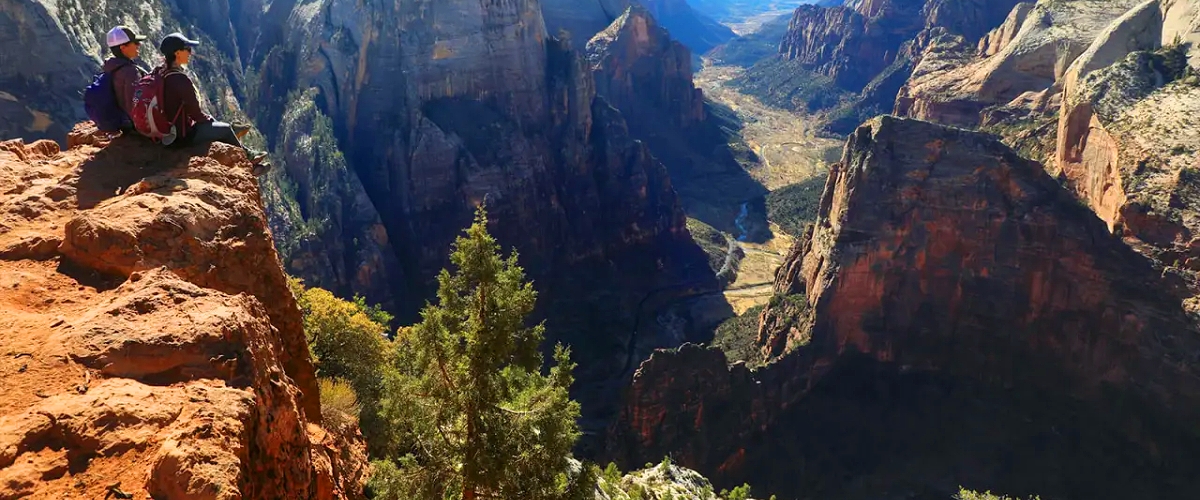


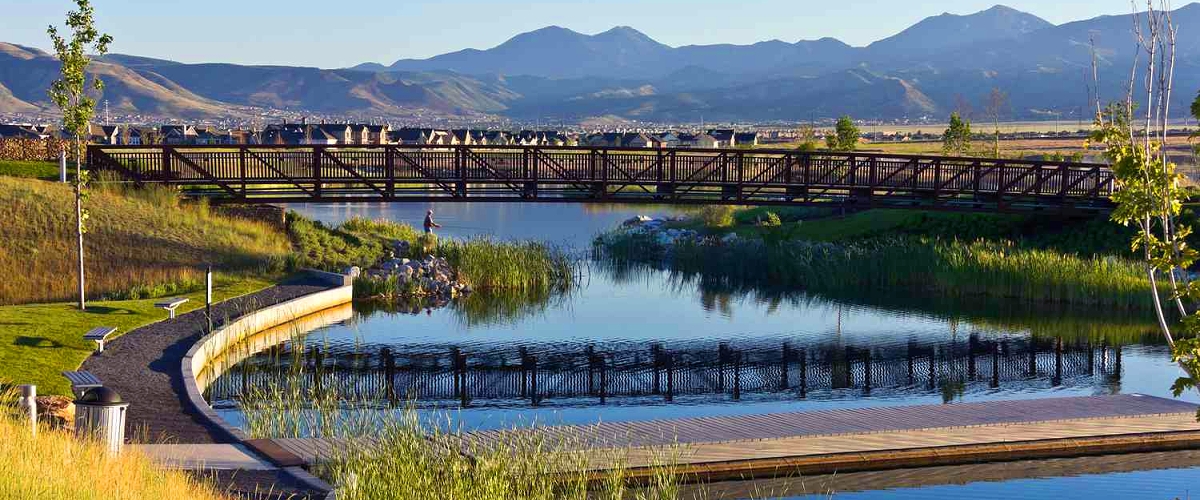

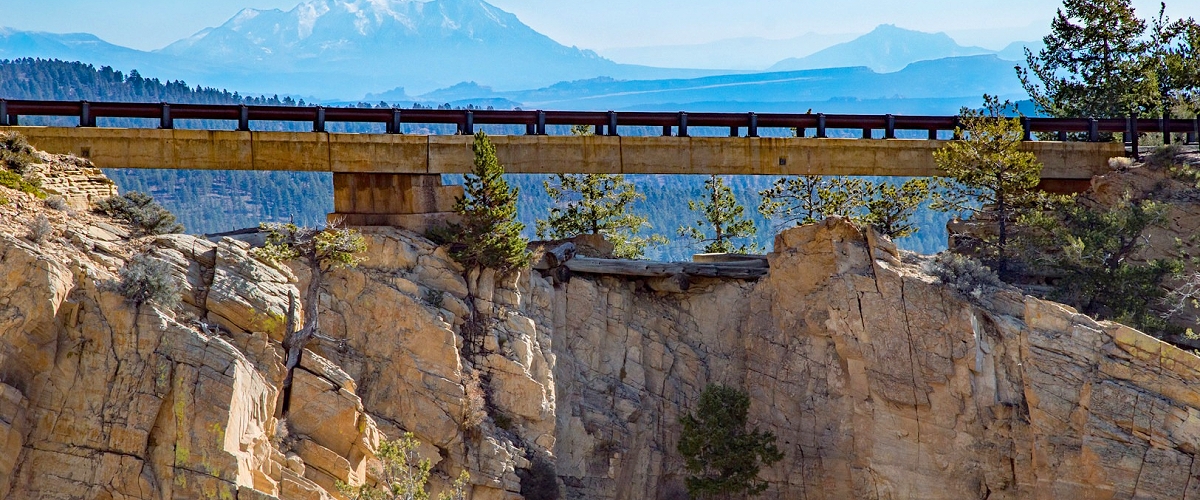
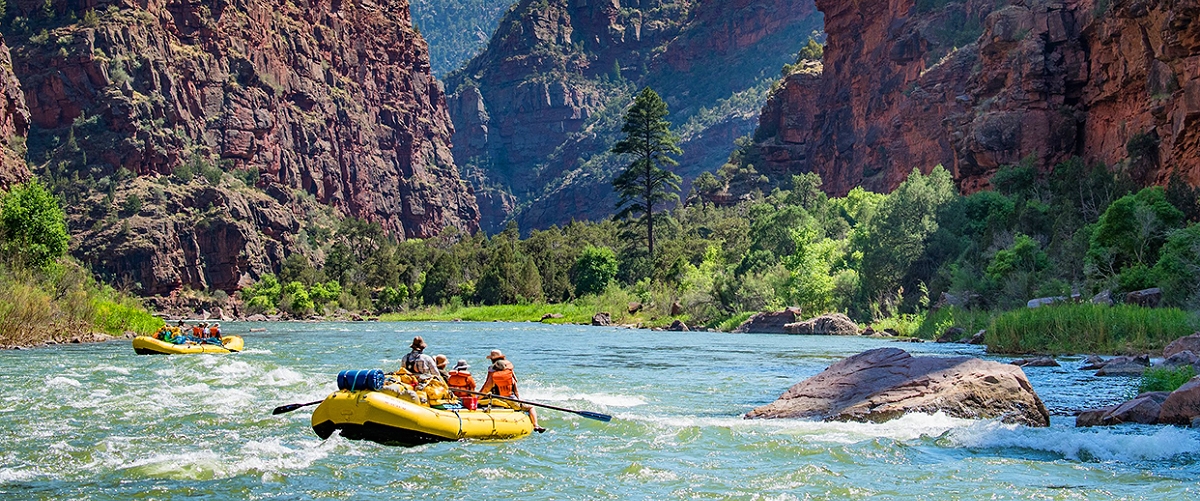

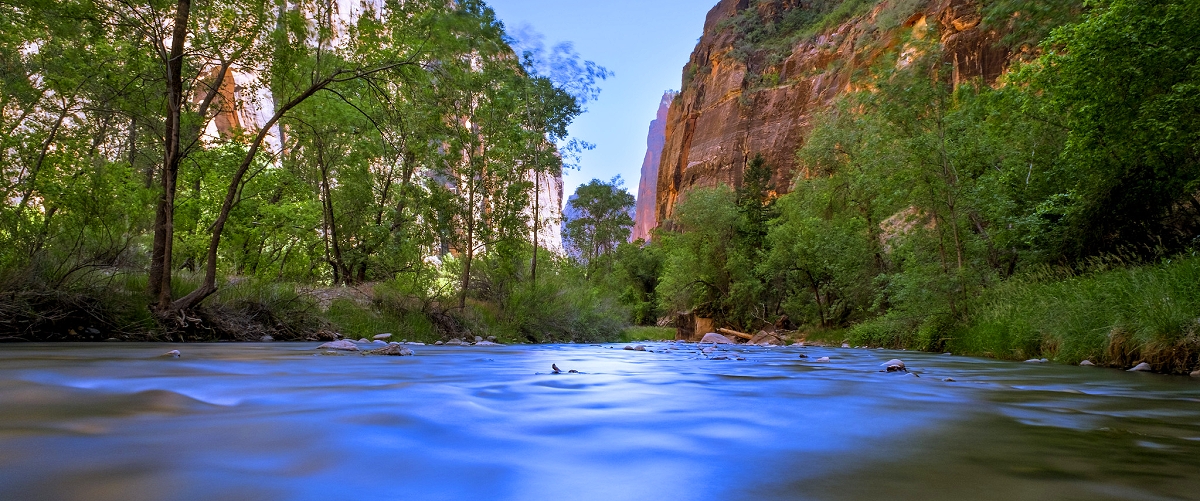


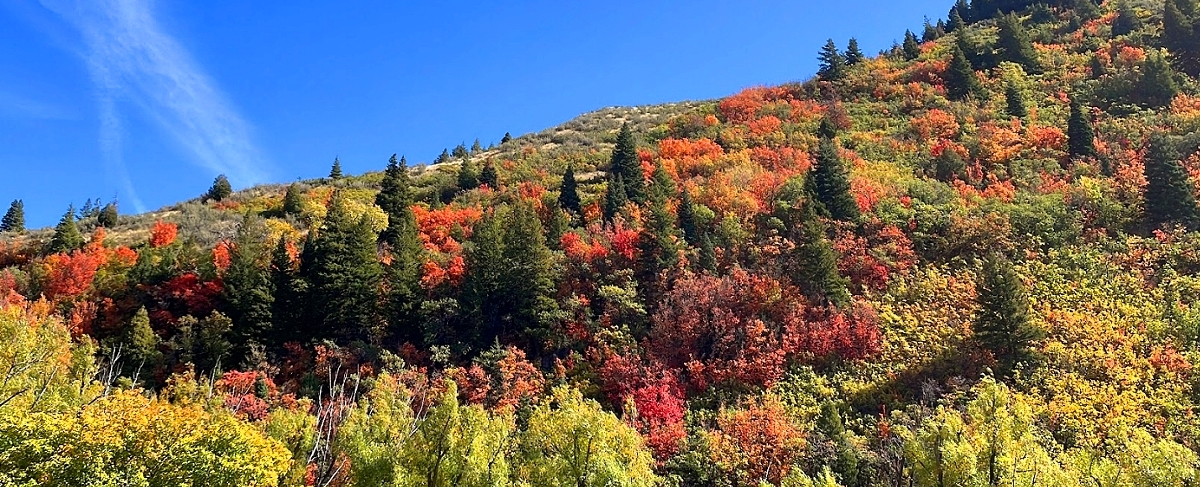
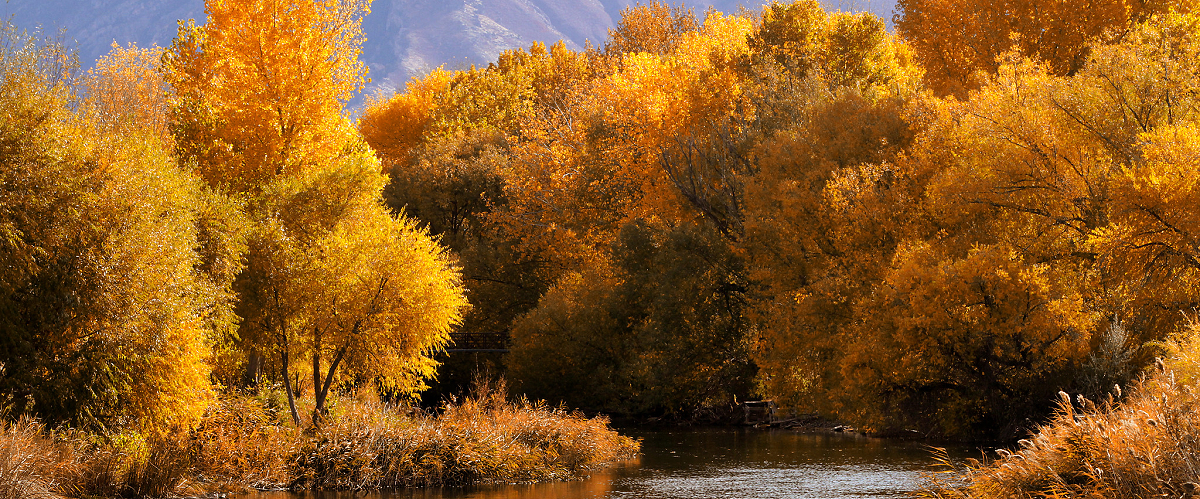
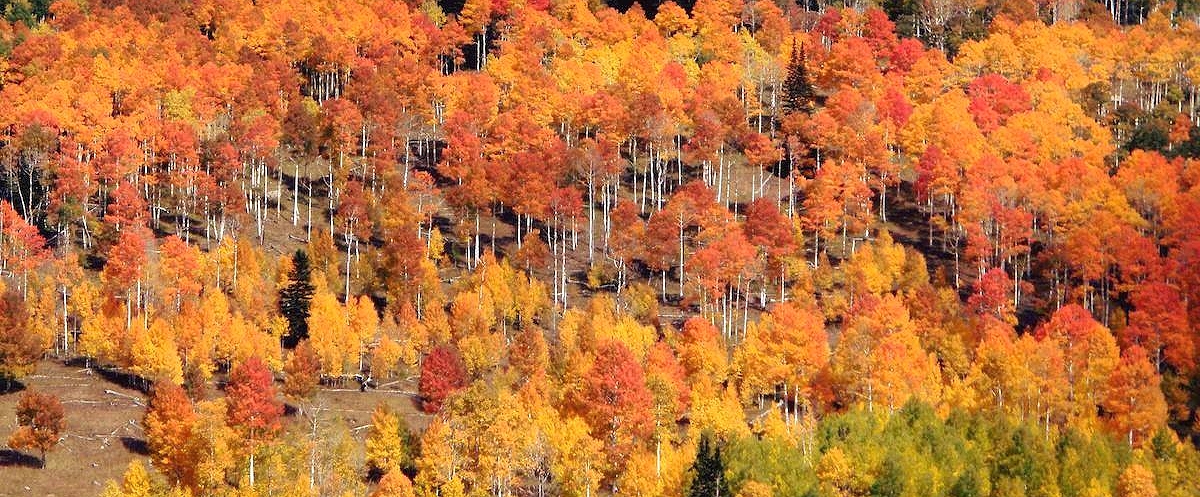
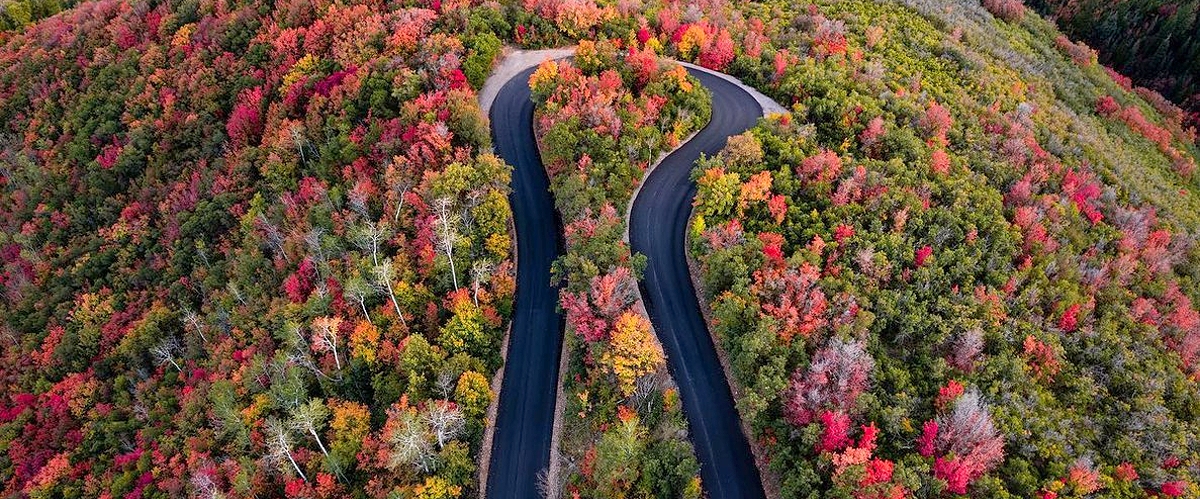


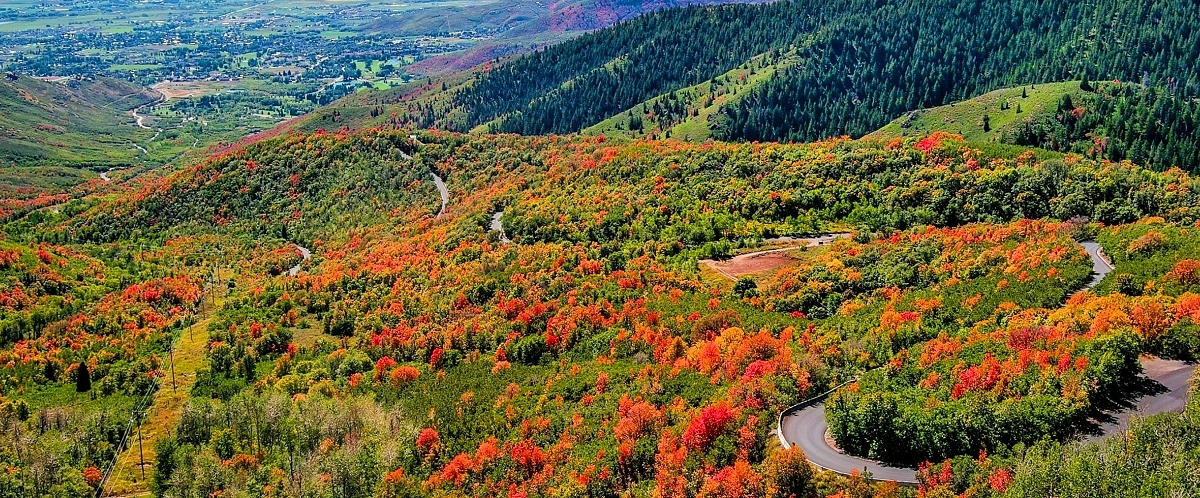

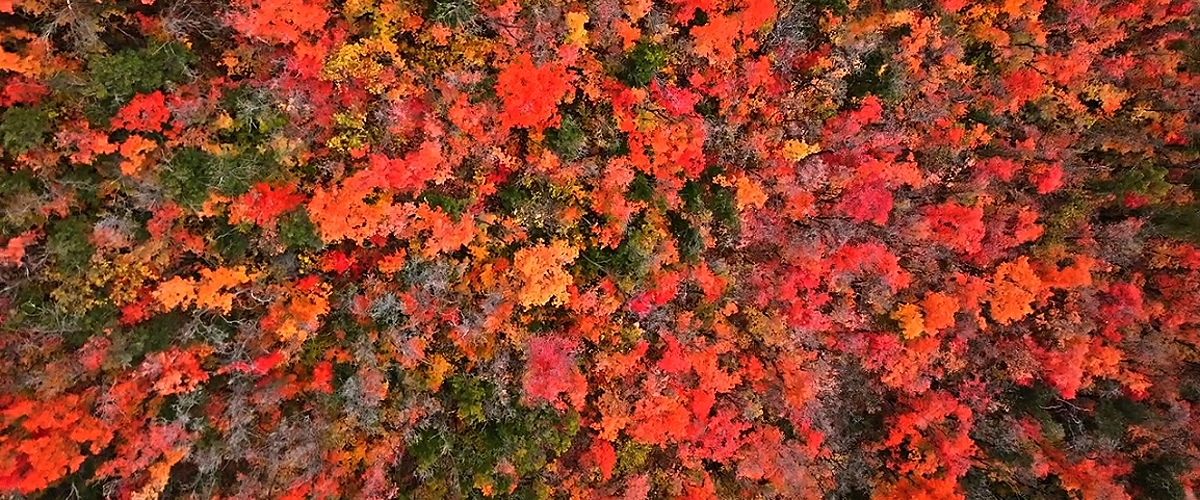


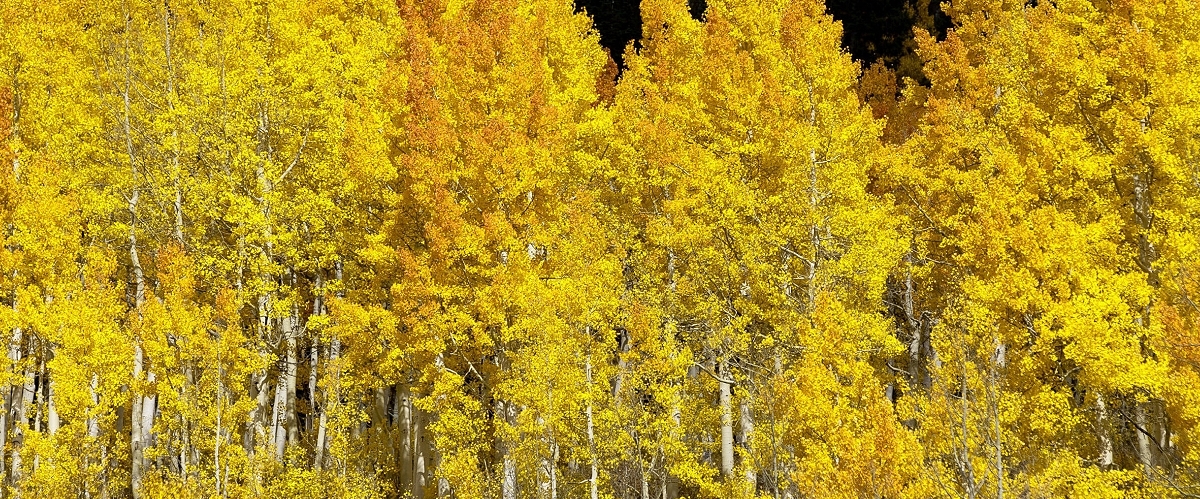

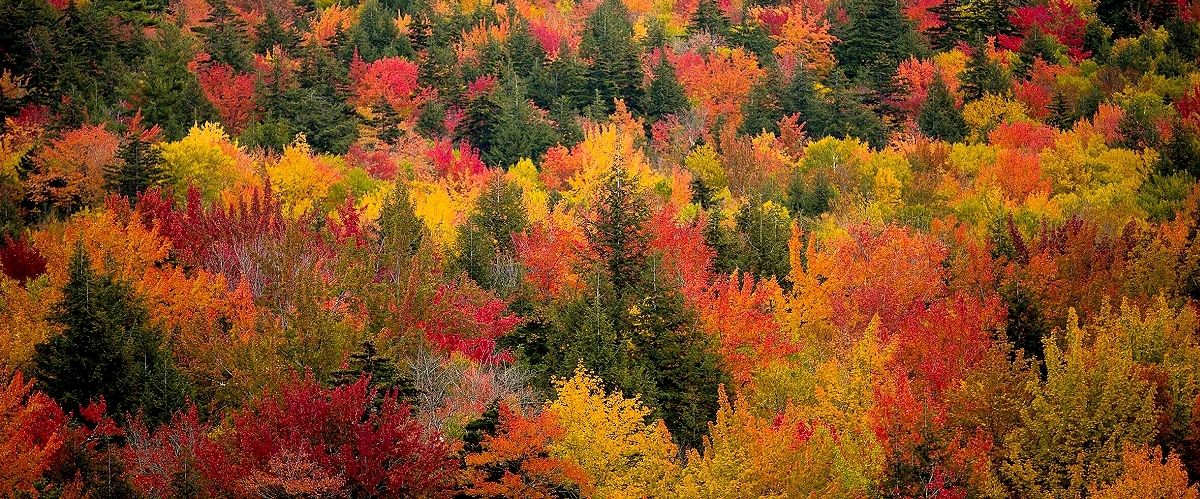


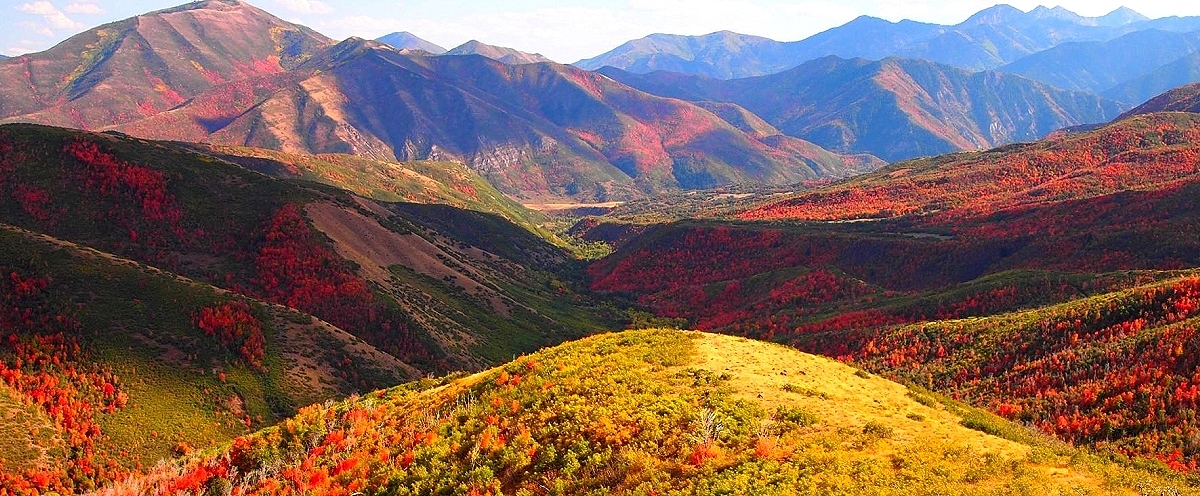
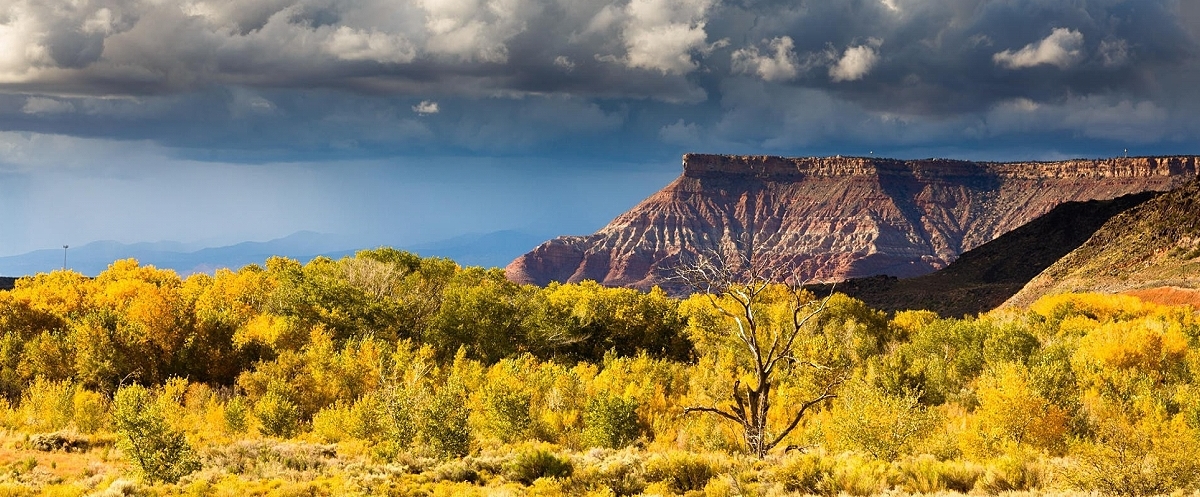

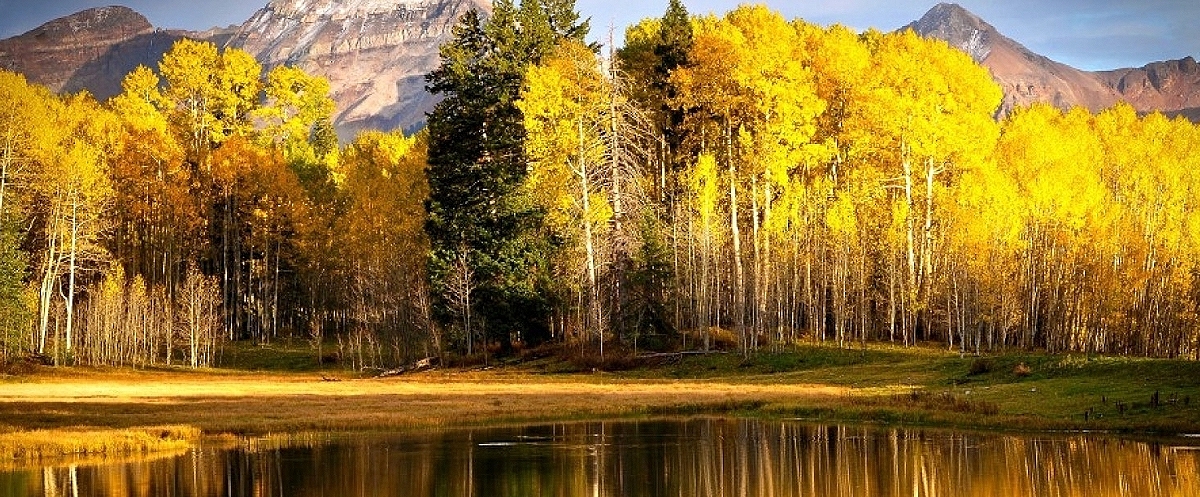

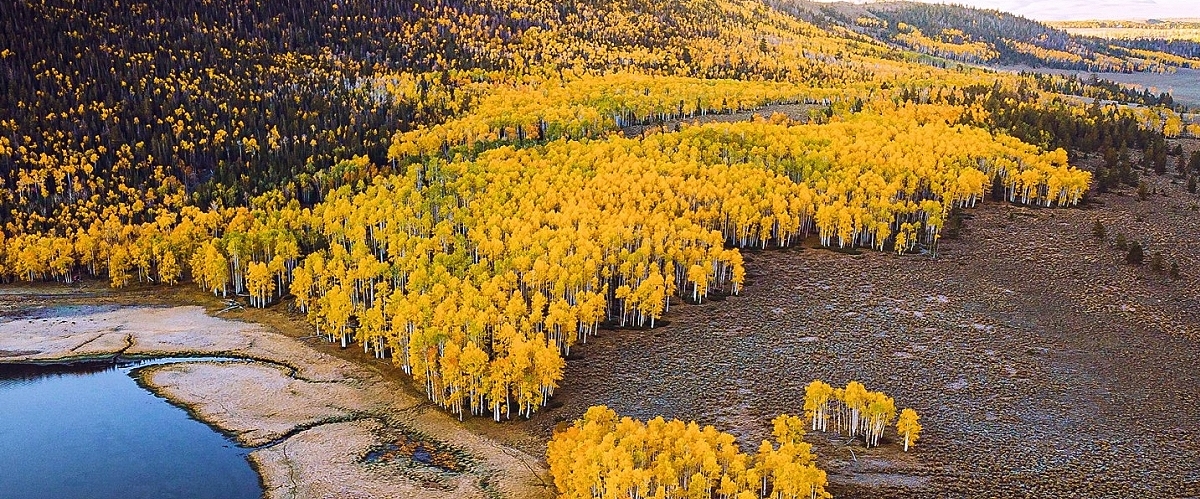


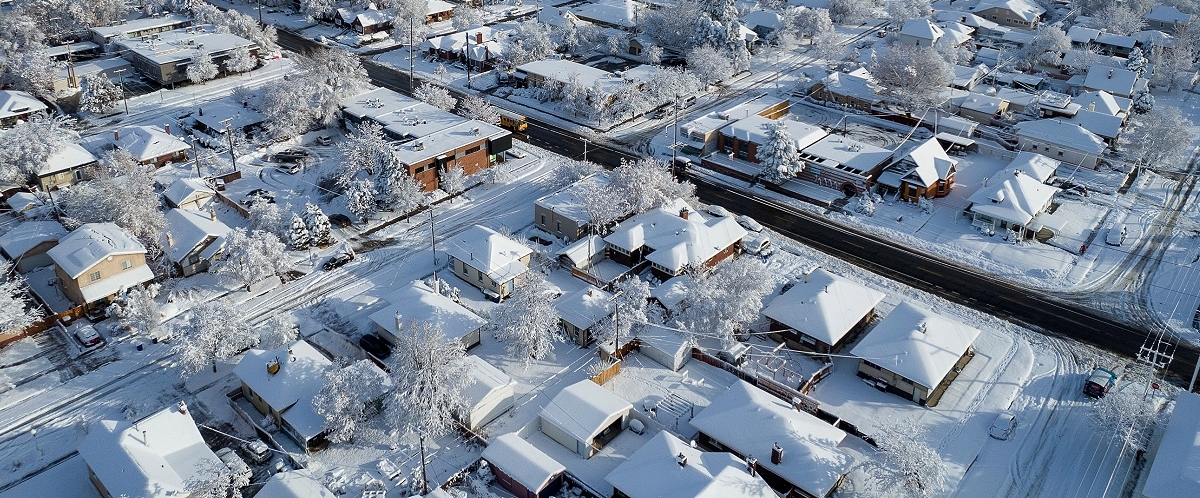
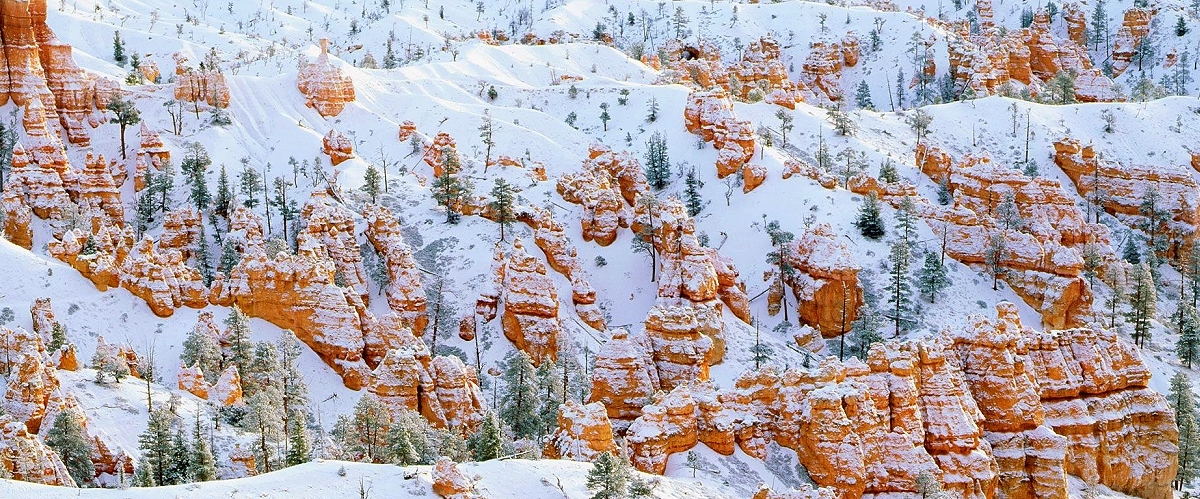
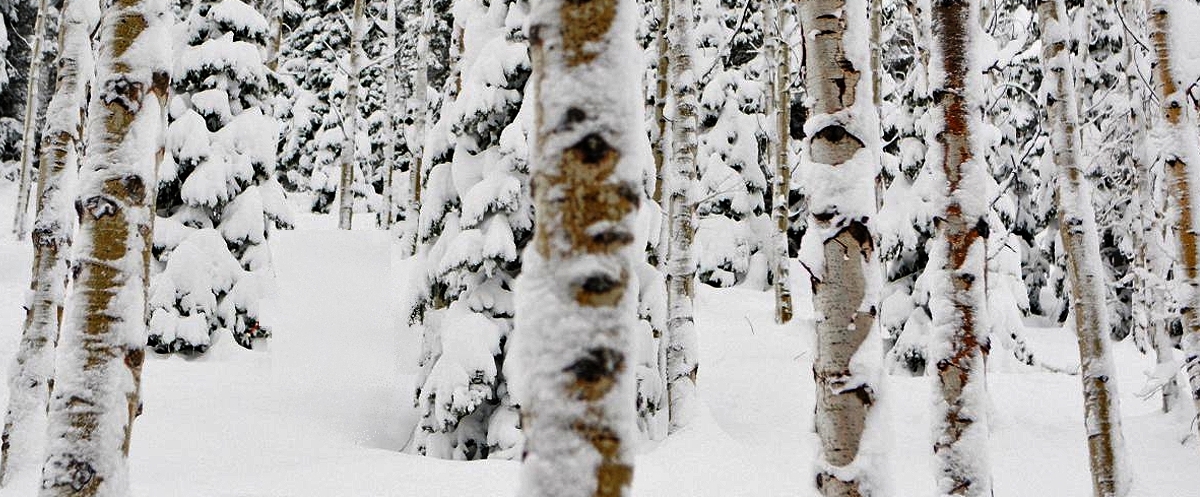

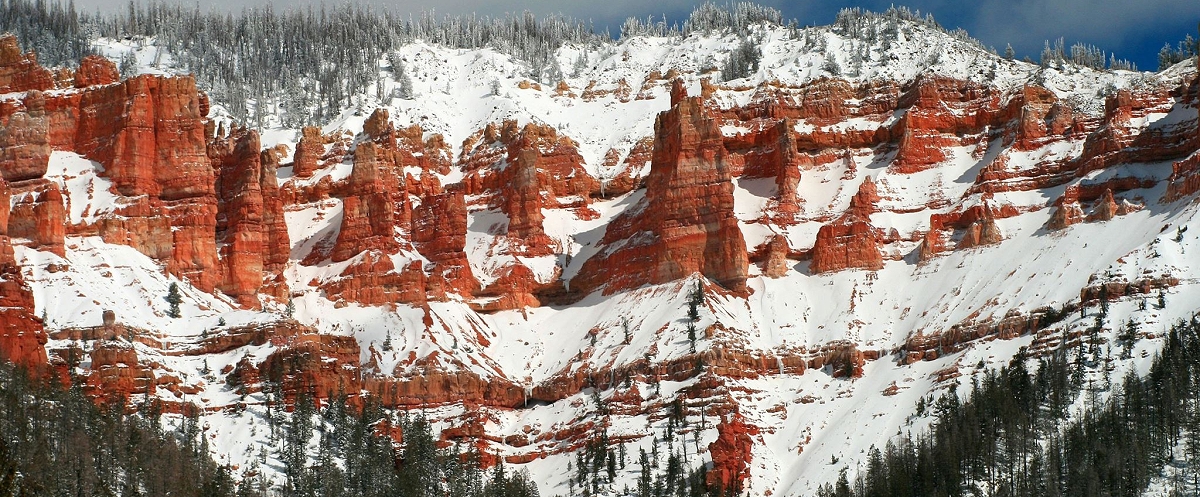
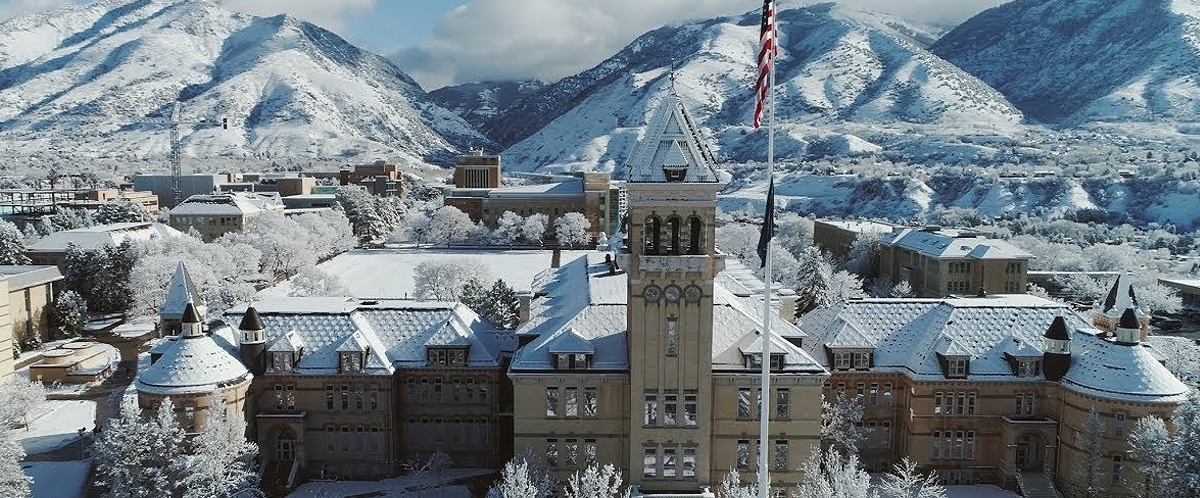


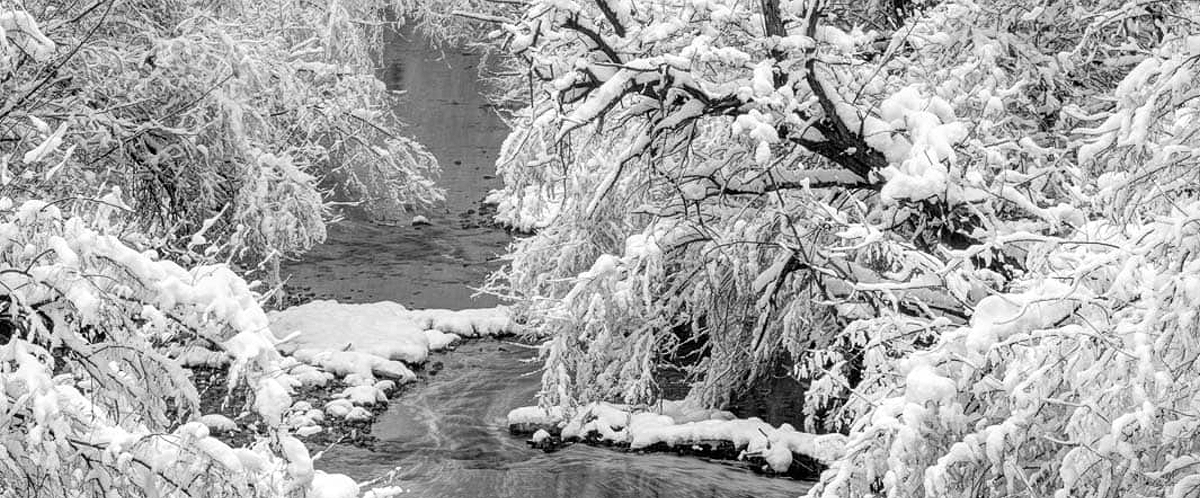

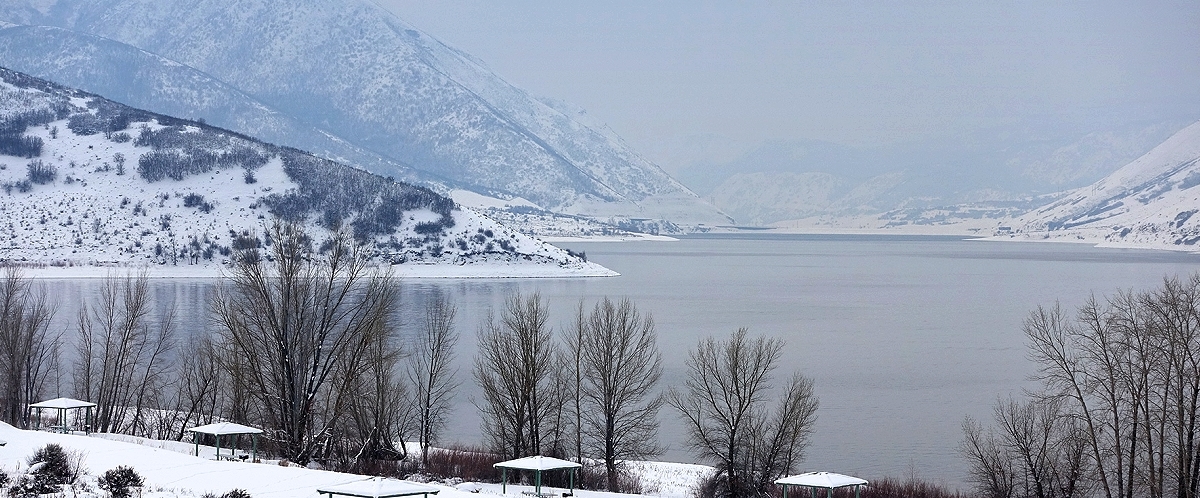
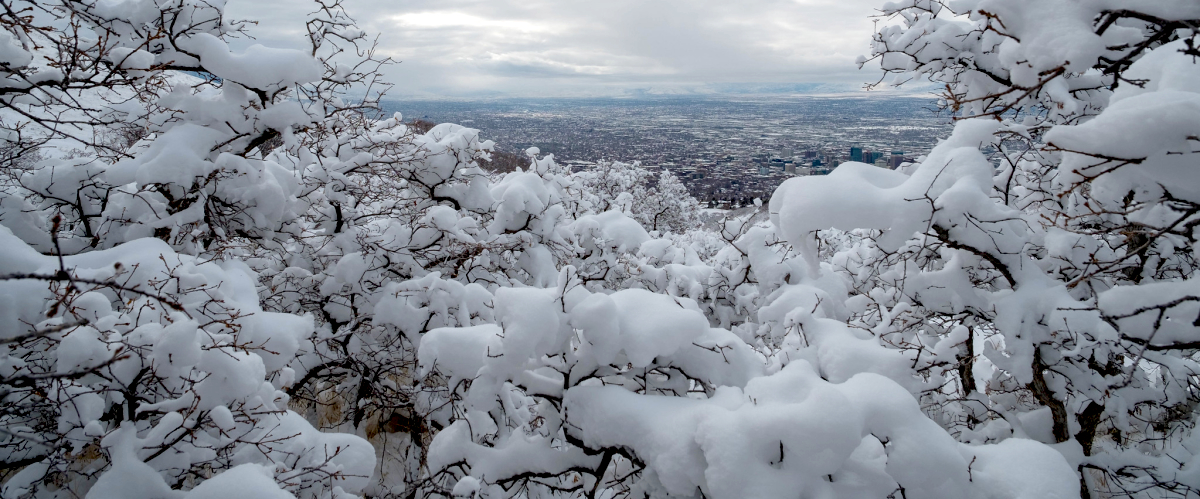
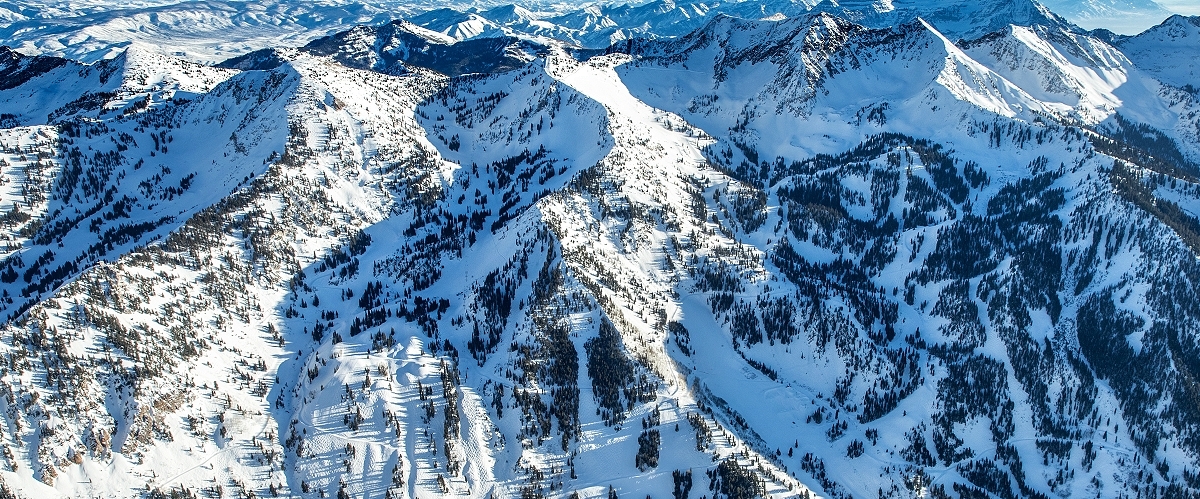


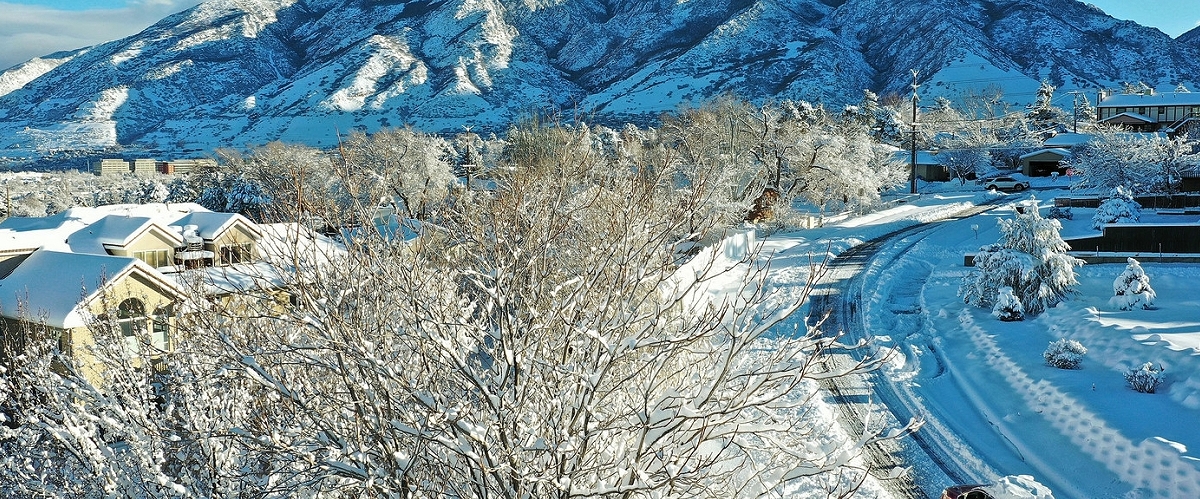

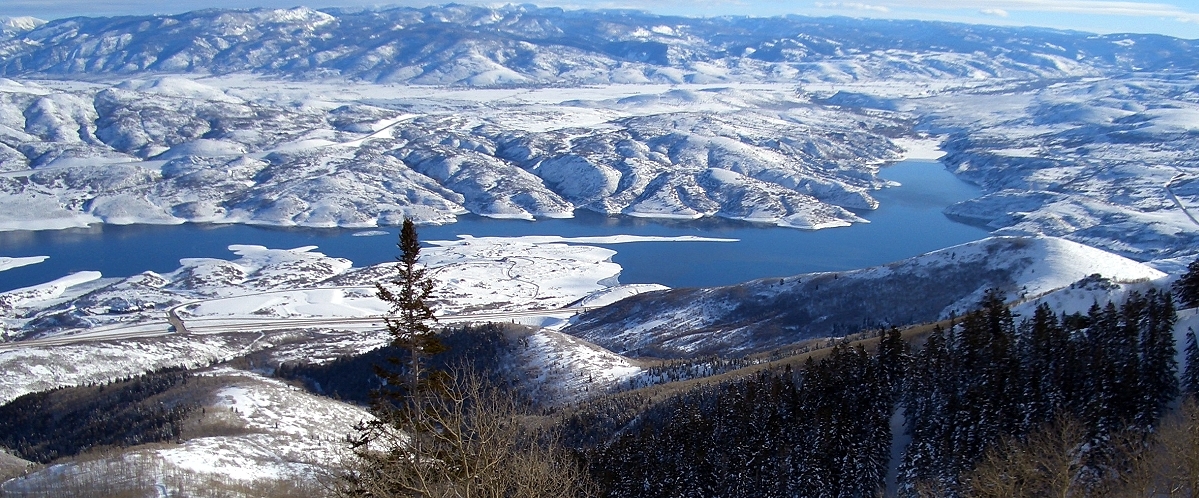
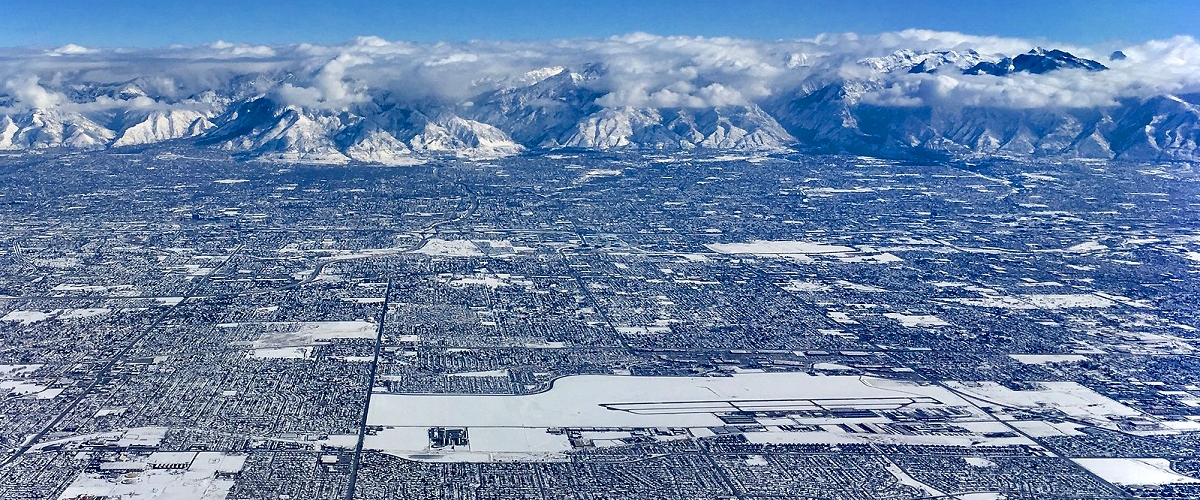
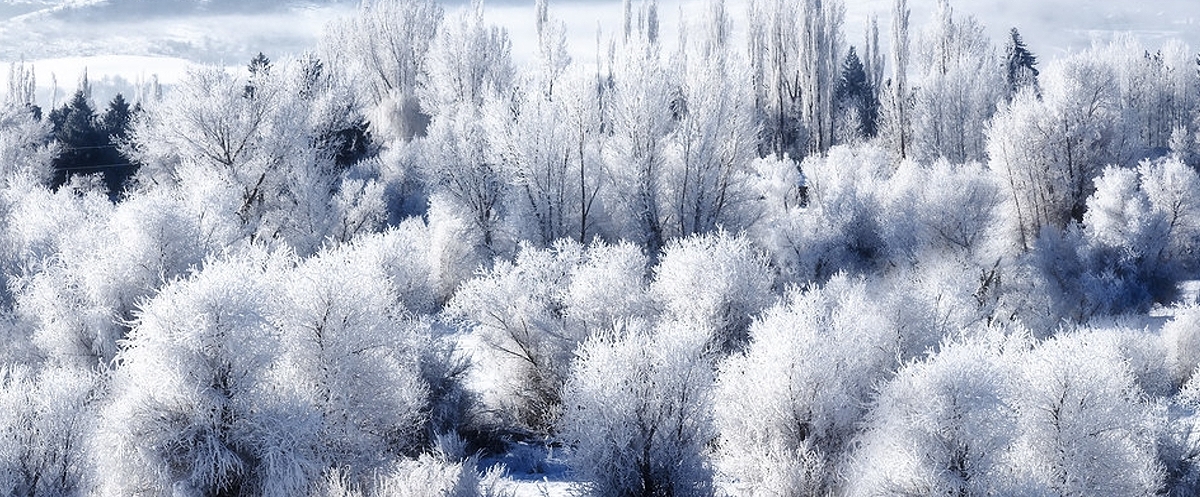

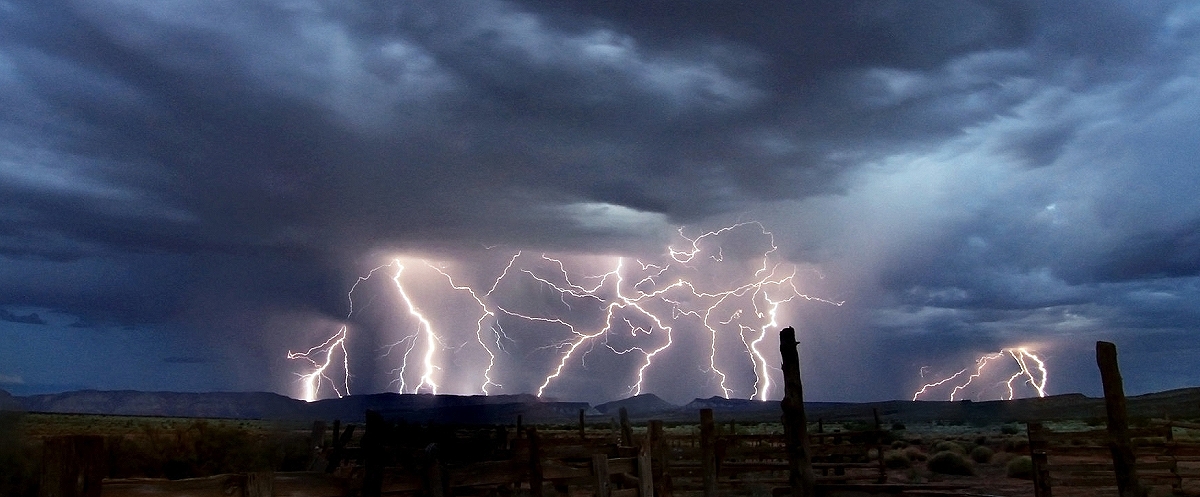
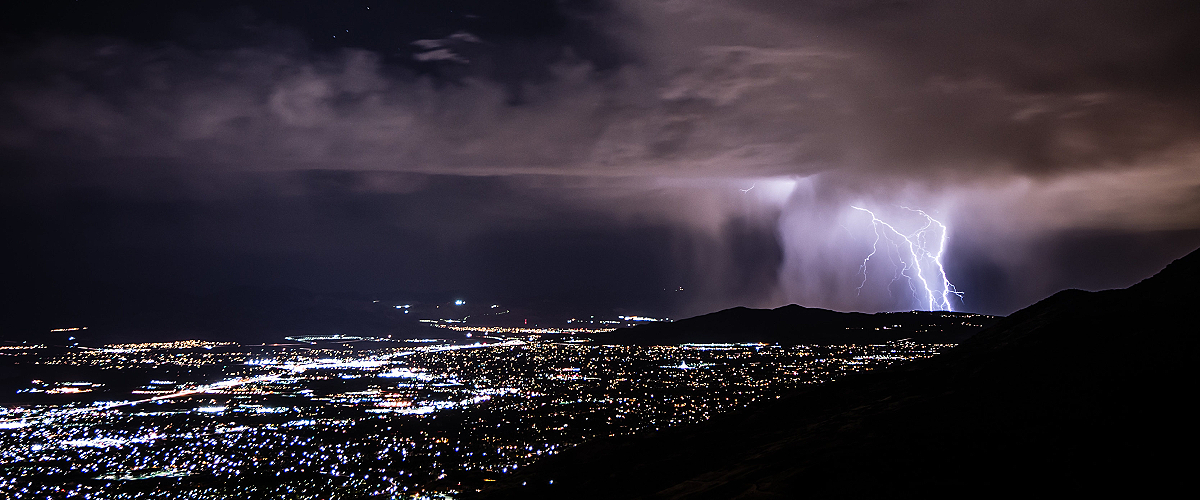
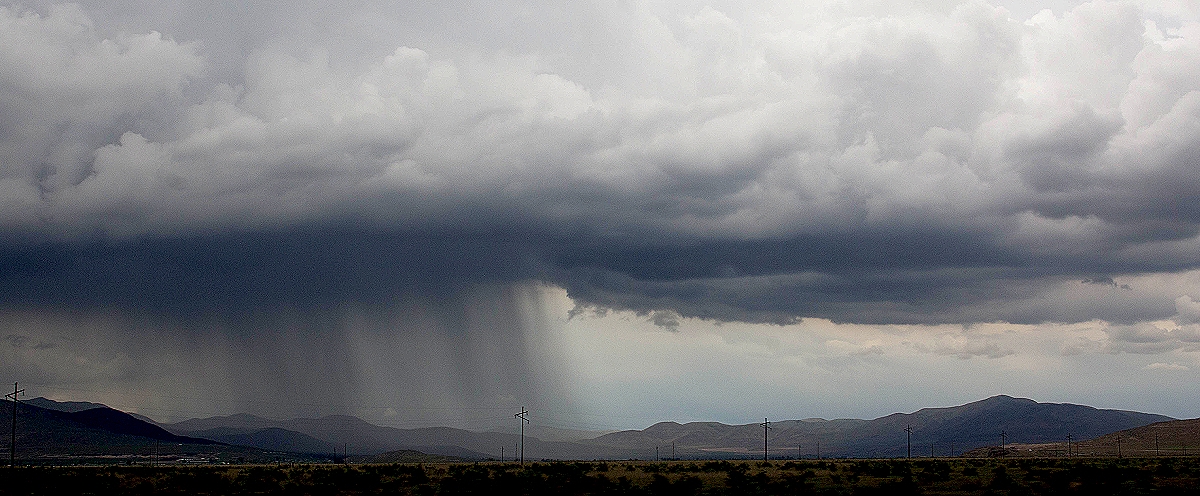
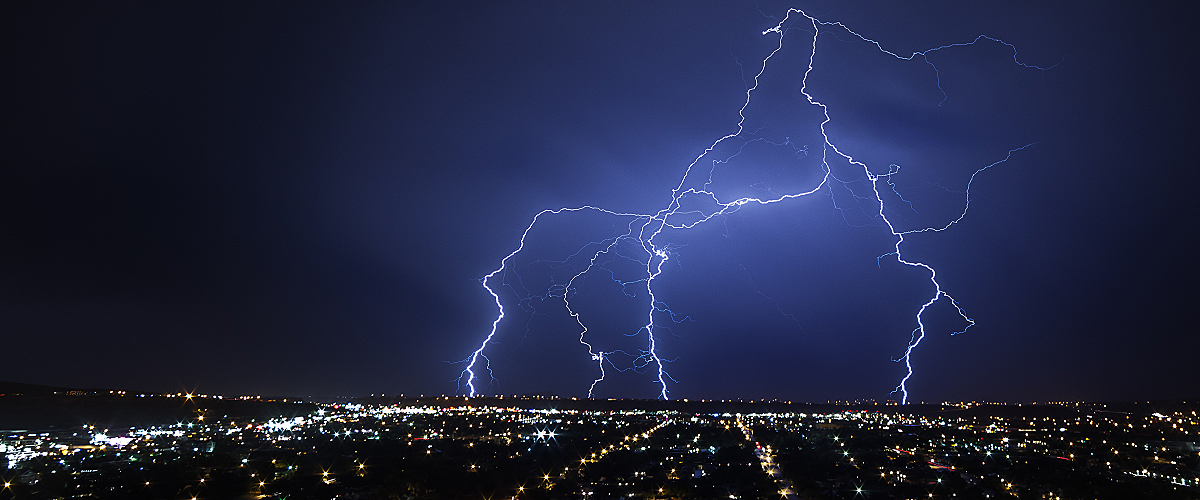
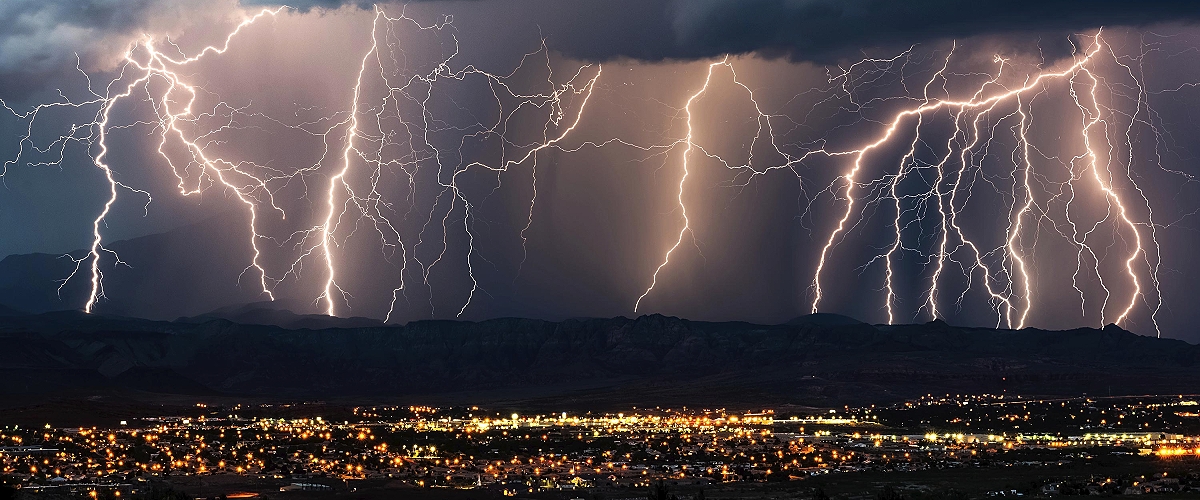
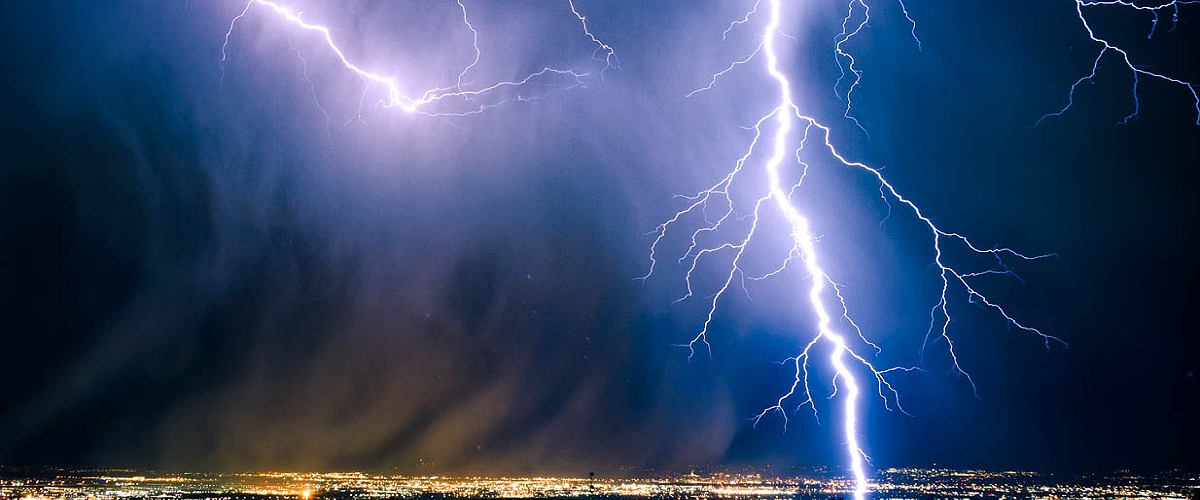
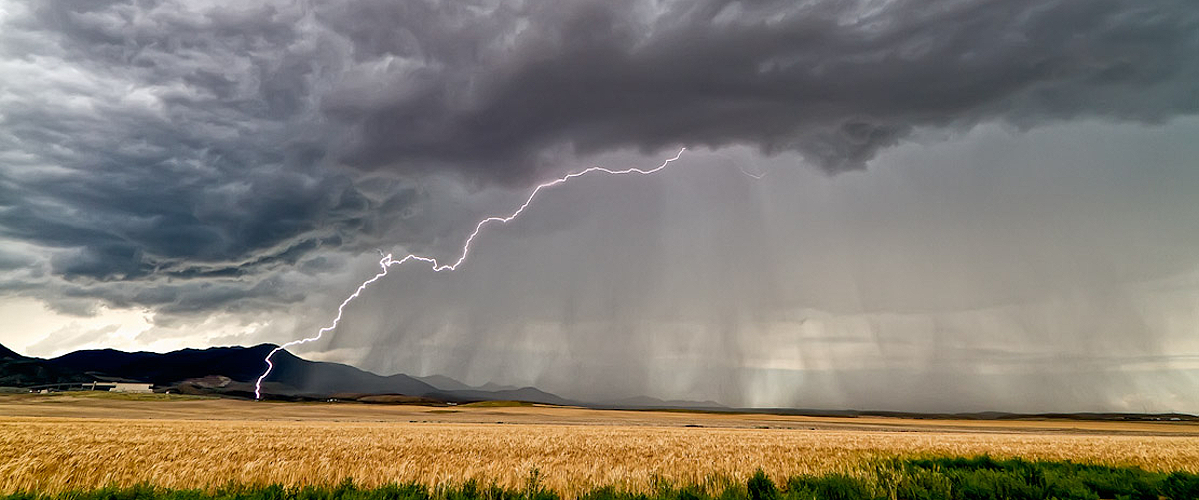
Yes, Utah experiences severe weather. High winds: Can be life-threatening and damage property - Tornadoes: Utah has had 11 tornadoes F2 or greater since 1943 - Flash floods: Short, heavy bursts of rain can cause flash floods that overwhelm stormwater systems - Winter storms: Utah experiences long periods of snowfall, freezing temperatures, and short daylight hours from December through February. January is typically the coldest month of the year in Utah. February in Utah is still firmly entrenched in the winter season. March ushers in the first hints of spring for Utah, although the vestiges of winter often remain, especially in the mountainous regions. April in Utah marks a clearer transition into spring, with the land coming alive as temperatures consistently rise. May in Utah is a celebration of spring in its full glory with green pastures filled with wildflowers. June is the prelude to the intense summer heat in Utah. July is the zenith of summer in Utah, bringing with it the highest temperatures of the year. August in Utah, while continuing the summer narrative, starts hinting at the approaching autumn, with a spike in rainfall due to monsoonal moisture pushing up from the south. September in Utah marks the delightful onset of autumn, moving away from the intense heat of summer. October in Utah deepens the embrace of autumn. As the month progresses, colder conditions begin to emerge towards the end of the month, as the spectacle of fall foliage reaches its climax. November in Utah is a harbinger of winter's chill. As fall concludes and winter gradually begins its takeover with the first snowfall often gracing the cities and its nearby mountainous regions. December in Utah is synonymous with the full onset of winter. Throughout the state, temperatures are cold envelops the state which often finds itself blanketed under mountain snow, transforming into a winter wonderland. Mountains make great lightning rods as you can see below. There are approximately 200,000 cloud to ground lightning flashes in Utah annually. Changes in Utah's climate and air pollution impact weather patterns as increasing temperatures are directly linked to rising stronger storms. A warmer atmosphere holds more water leading to more intense rainfall events.





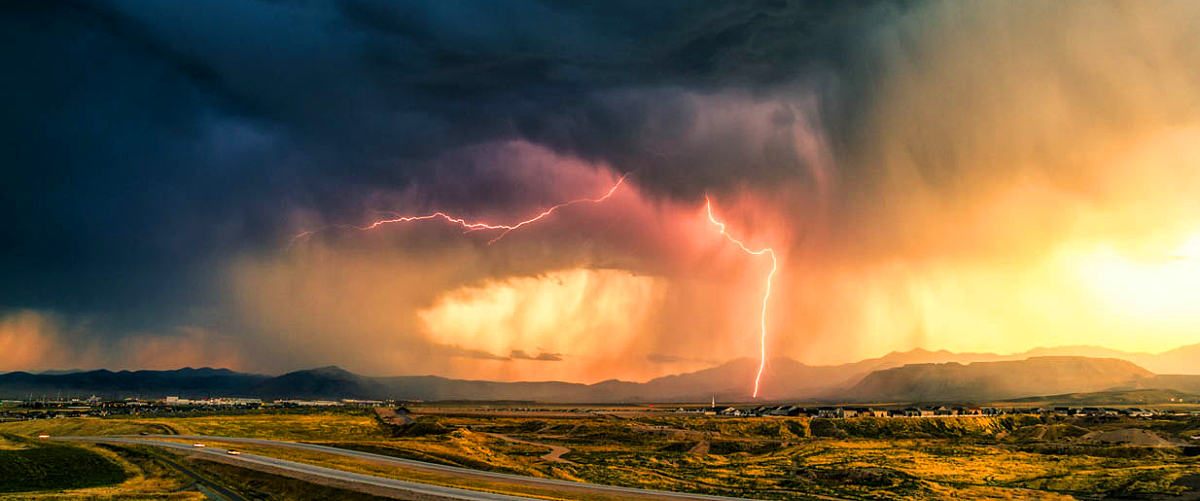
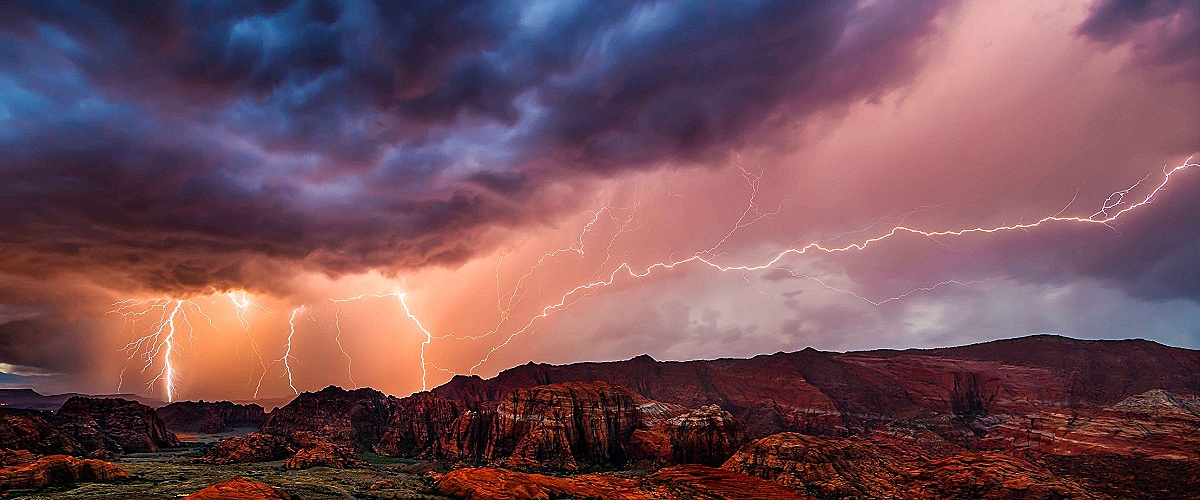

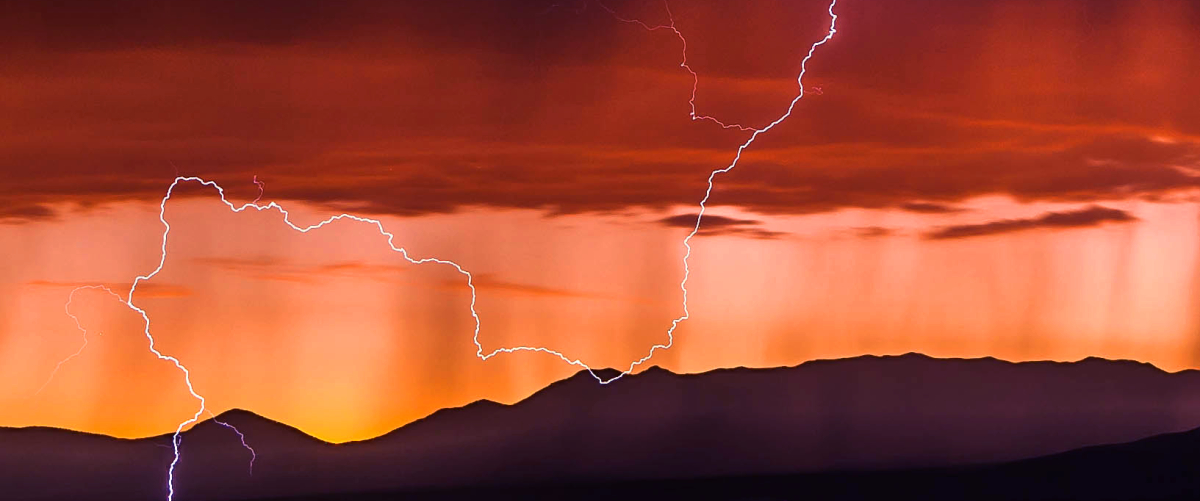
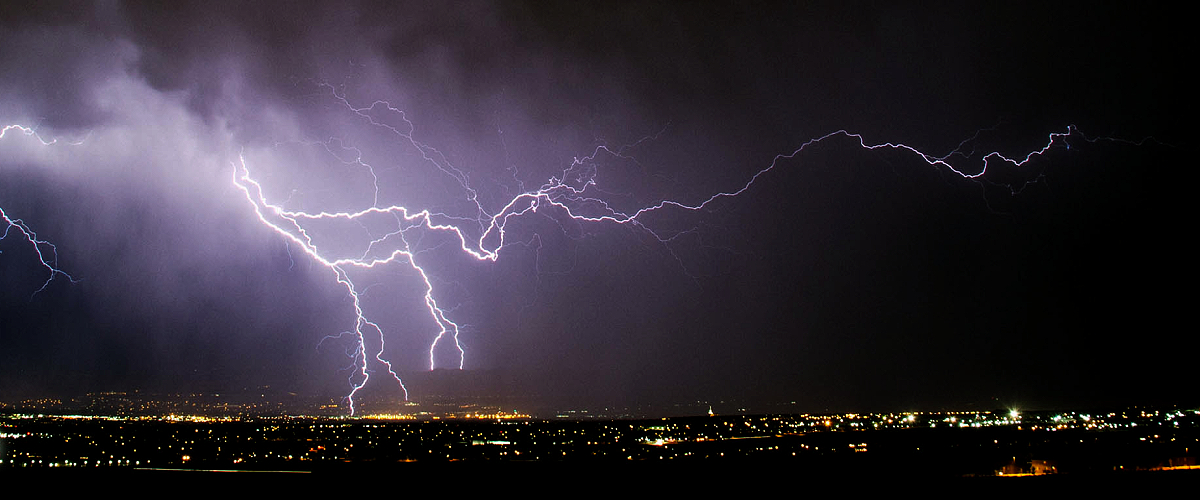
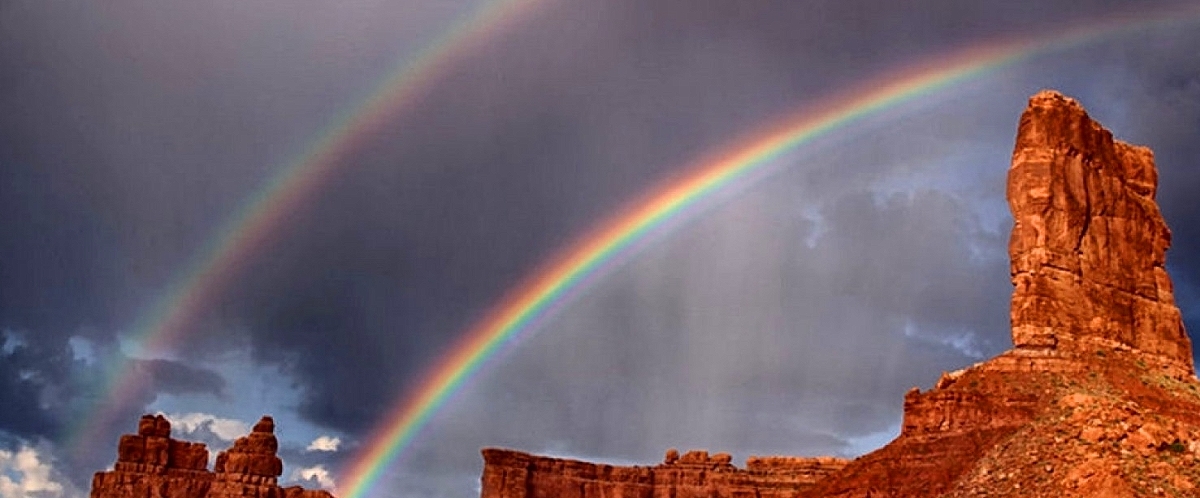







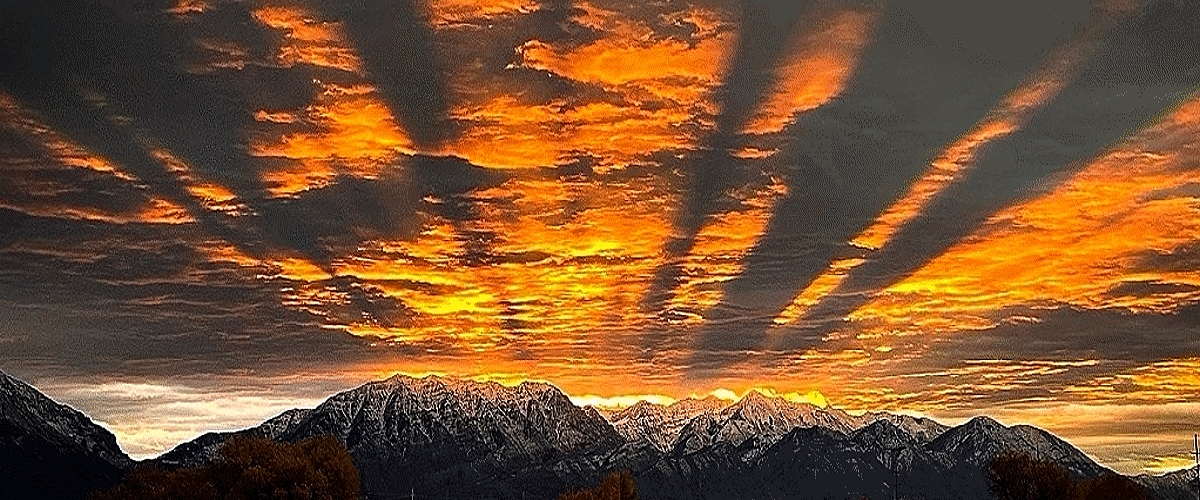
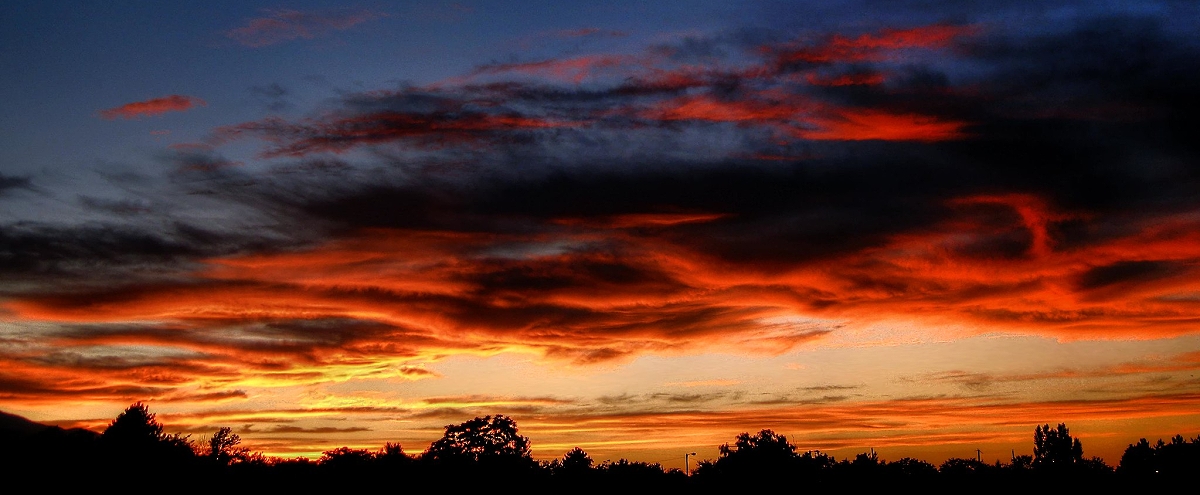
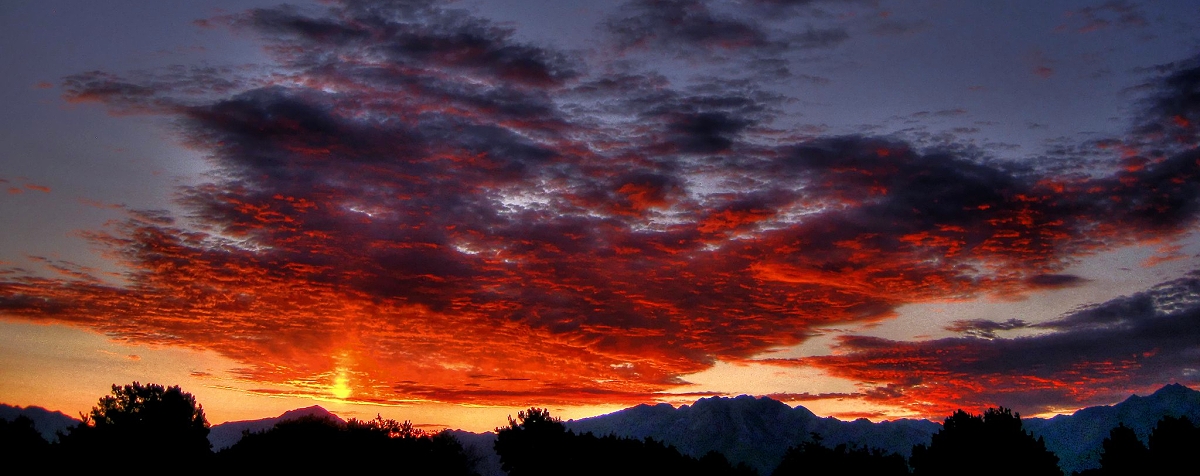
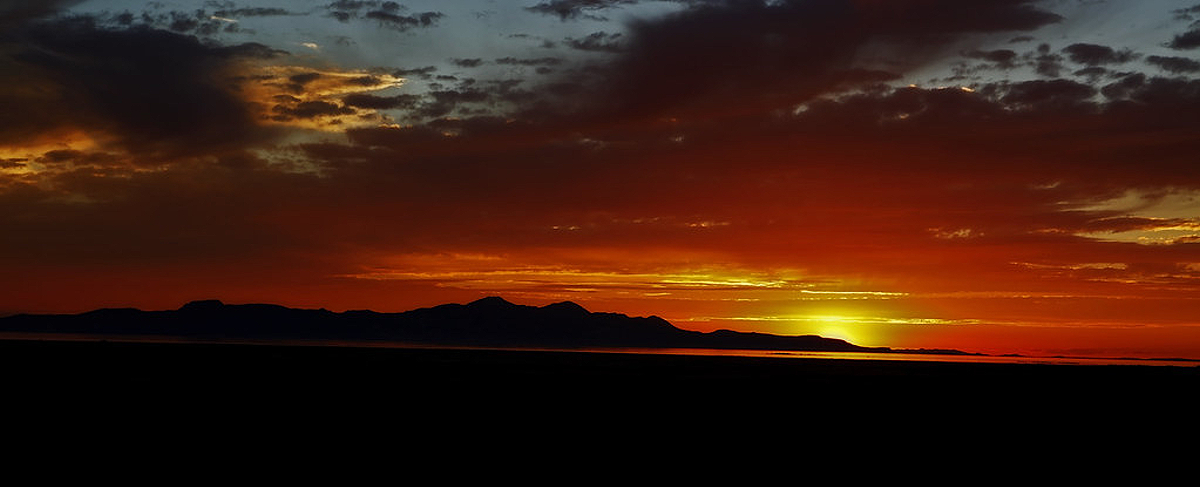
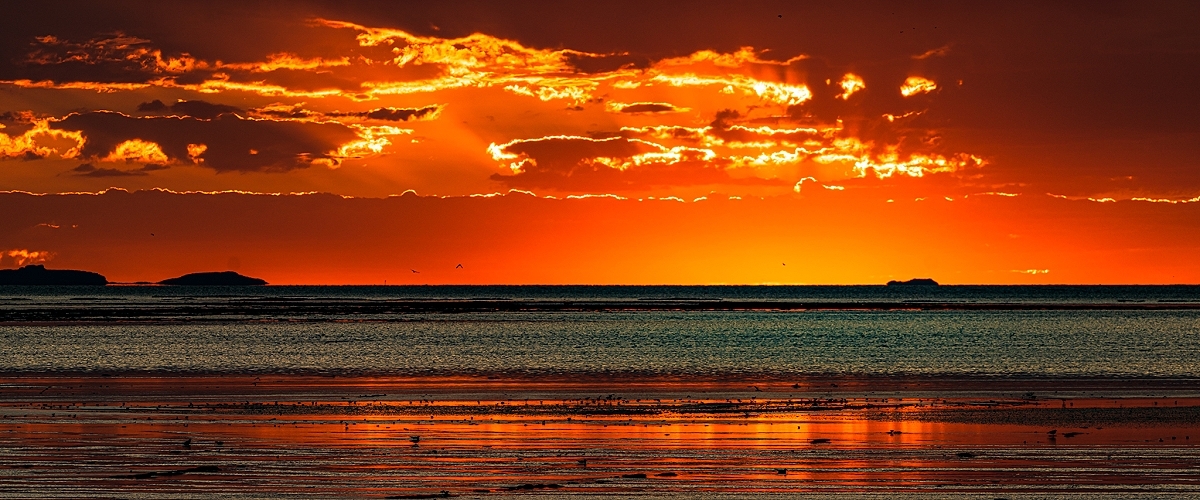
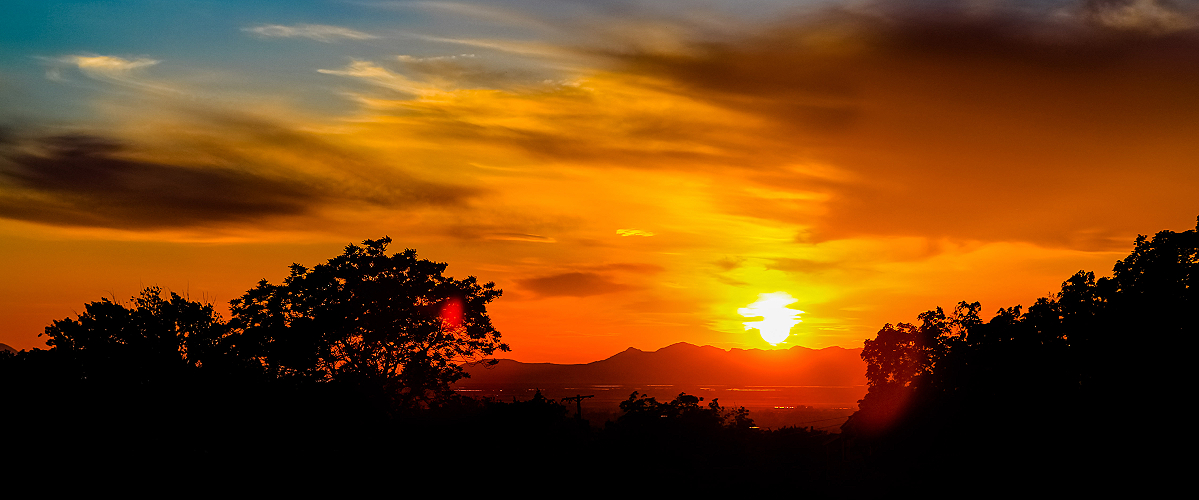
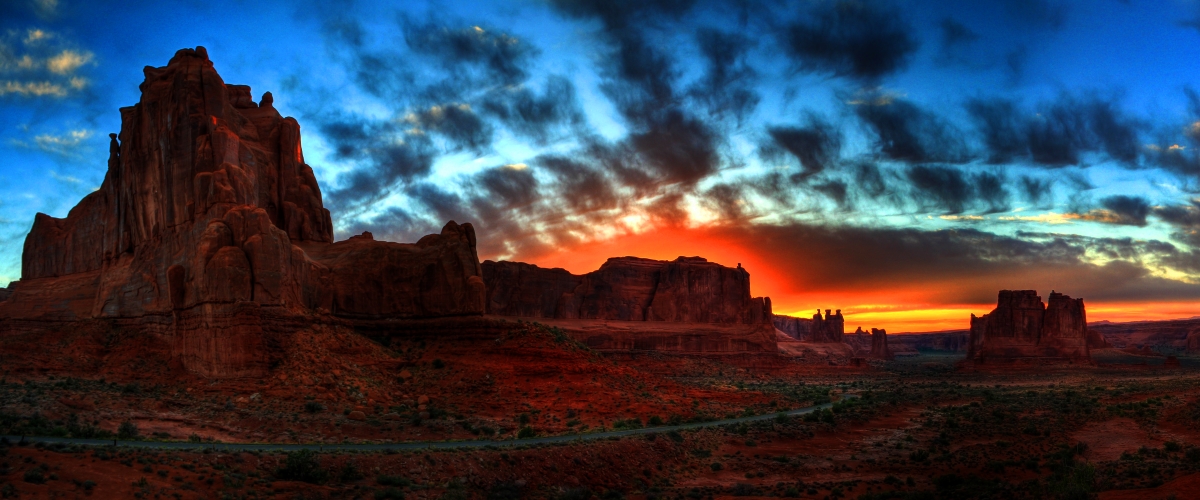
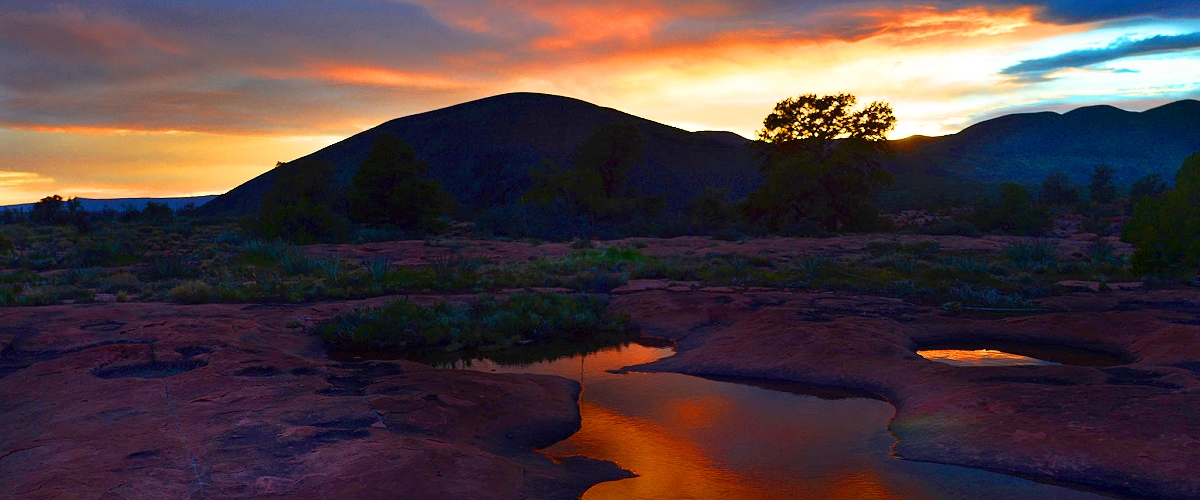
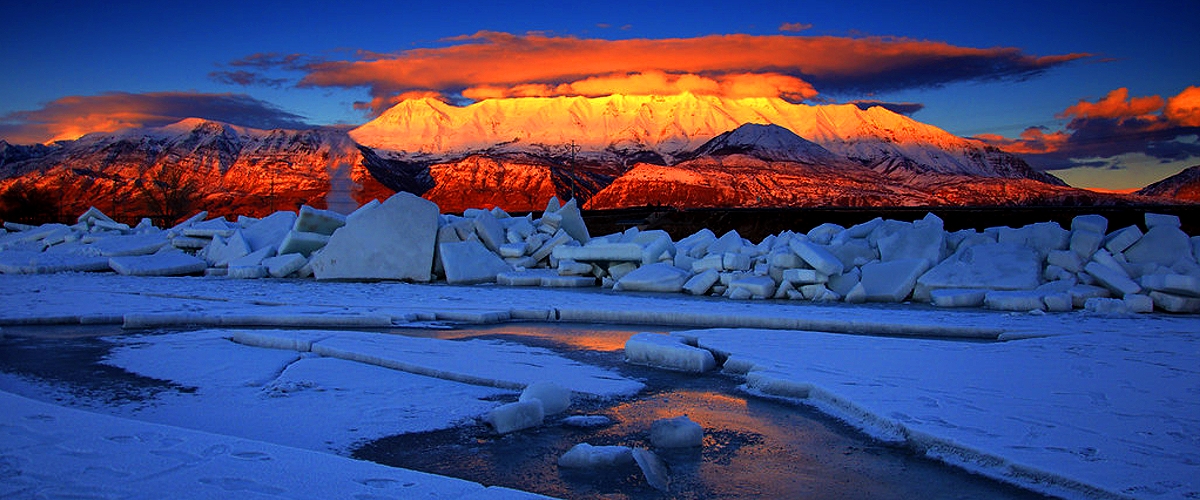
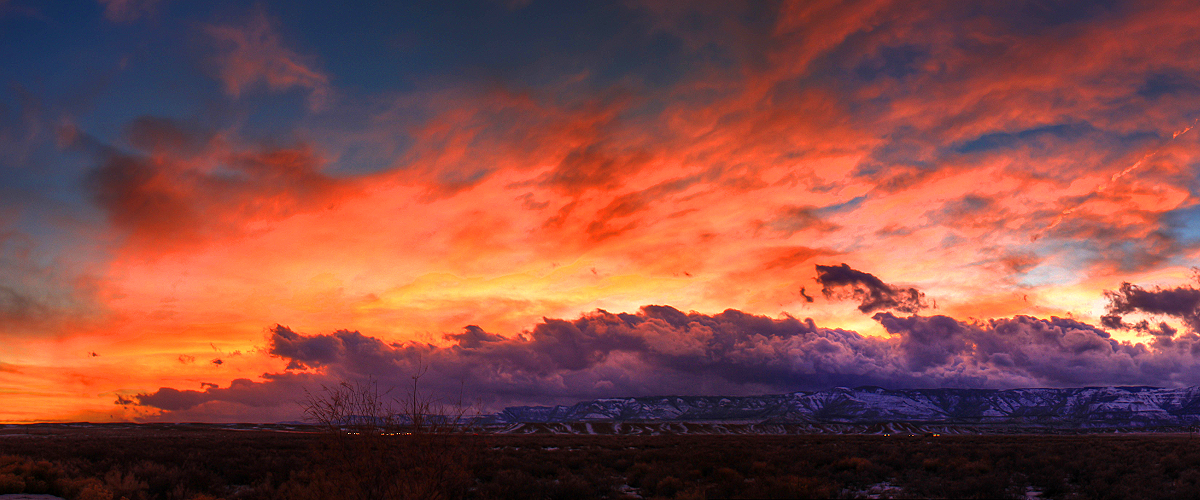
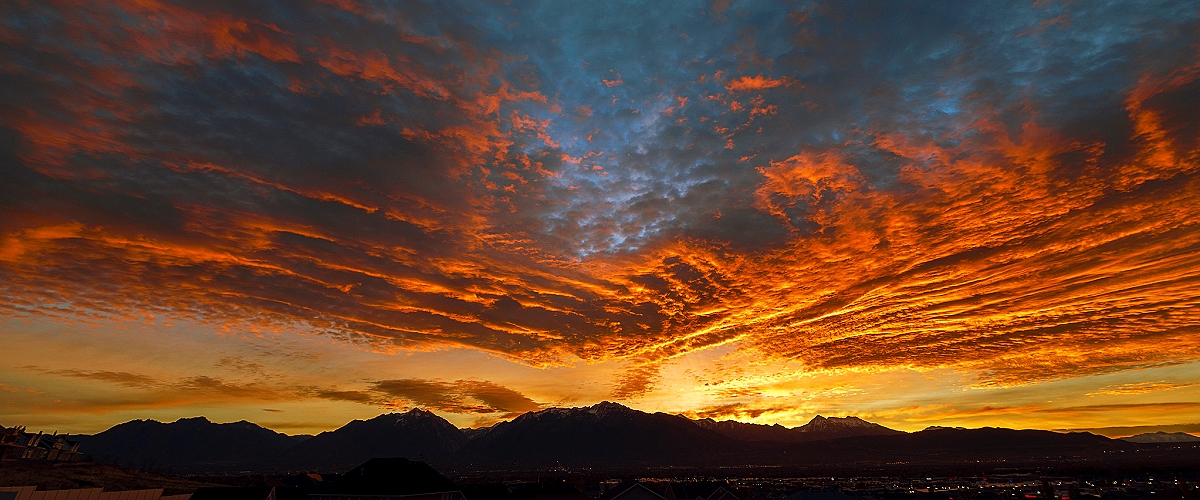
They are awe-inspiring. A sunset is almost like a religious moment, a sacred natural experience that Mother Nature repeats every day. If you missed one last night, it will happen again tonight. And Utah has lots of places that will knock your socks off if you stop to watch the sun go down. You also have cloudy skies, lakes, and mountains to help you find the perfect sunsets. Sunsets are instants of intimate and private contemplation. Sunsets connects us with God as He paints on his canvas. Sunsets are one of the most photographed natural events in the world. There is never a sunset that is the same twice. When your world moves too fast and you lose yourself in the chaos, stop and introduce yourself to each and every color of a sunset. Sunsets are so beautiful that they almost seem as if they were shining through the gates of heaven. Don't forget to look to the east also, the sun rises on the land too.







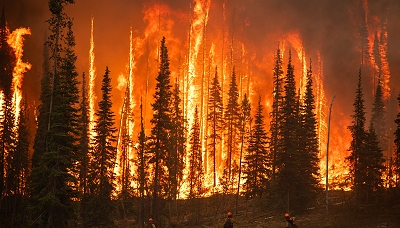
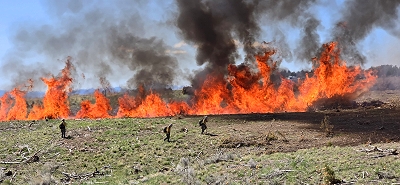
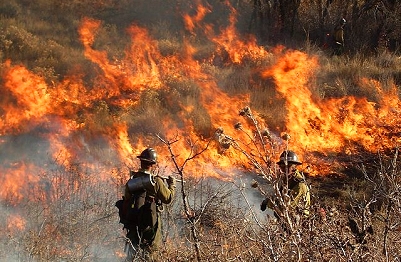
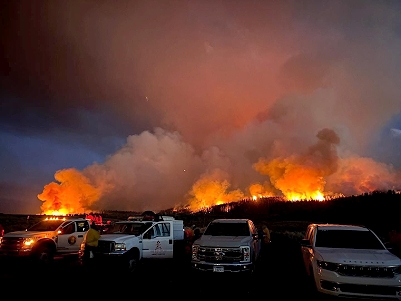
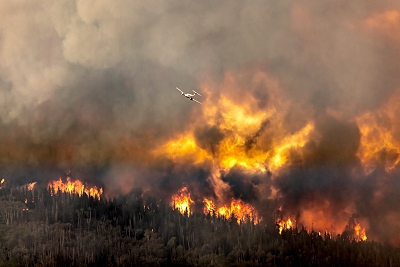
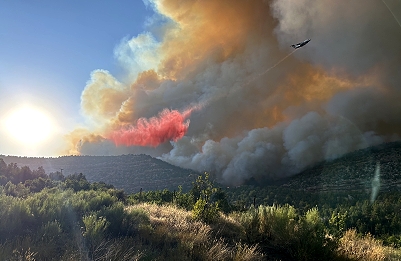
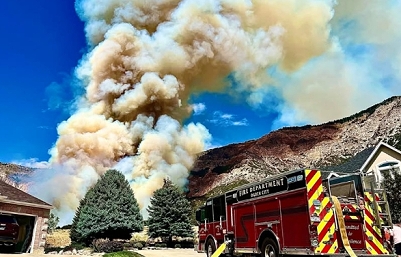
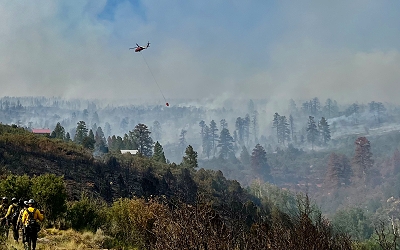
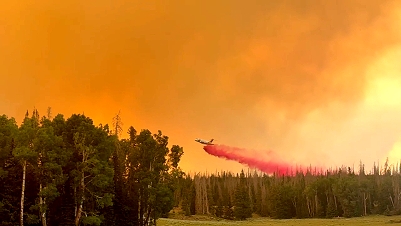
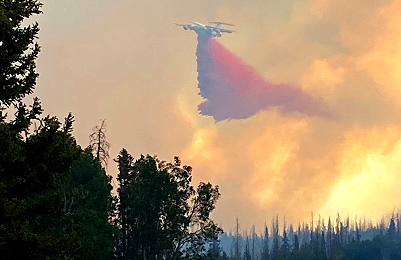
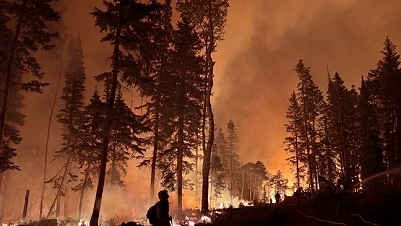
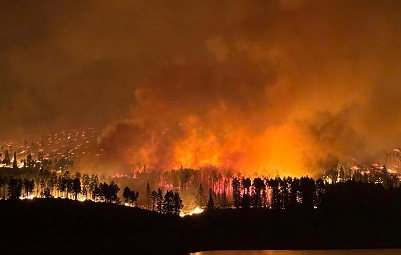
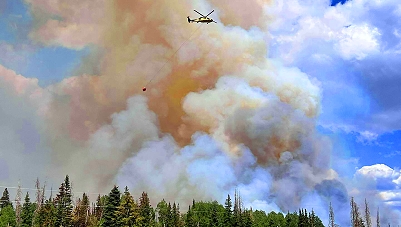
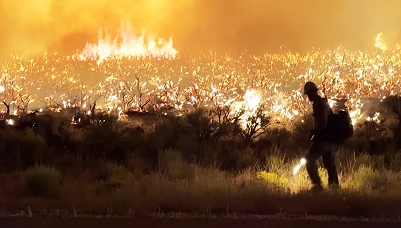
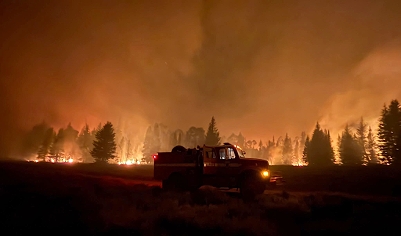
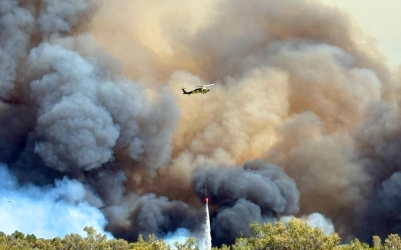
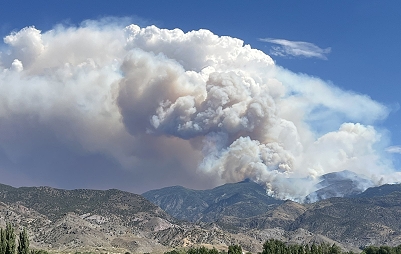
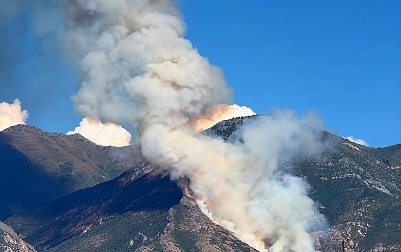
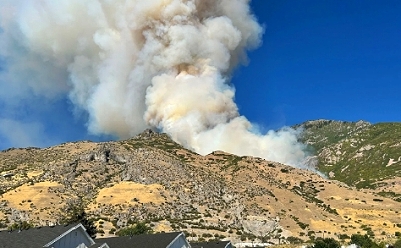
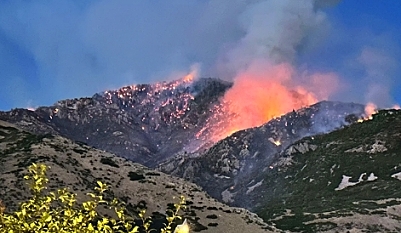
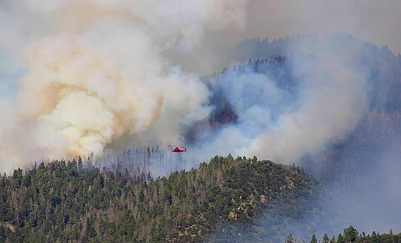
Explore Utah Online honors the lives of wildland interagency firefighters, crews and pilots who have made the ultimate sacrifice in the line of duty. We remember their service, their courage, and their unwavering commitment to protecting lives, property, and natural resources. It's also time to reflect and renew our commitment to safety, revisit lessons learned from past incidents, and support the mental and physical well being of all who continue to serve on the fireline. From the frontlines of active fire zones to critical support roles, wildland fire personnel make extraordinary sacrifices to protect lives, communities, and public lands.
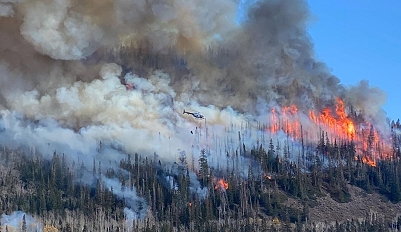
To all current interagency Wildland Firefighters - Aerial Tanker Pilots - Fuel Crews - Hotshot Crews - Smoke Jumpers - Hand Crews - Rappel Crews - Hot Rod Flights - Fire Management Officers - Dispatchers: We see your desire to serve, we thank you for your courage, and we stand with you as you protect Utah.
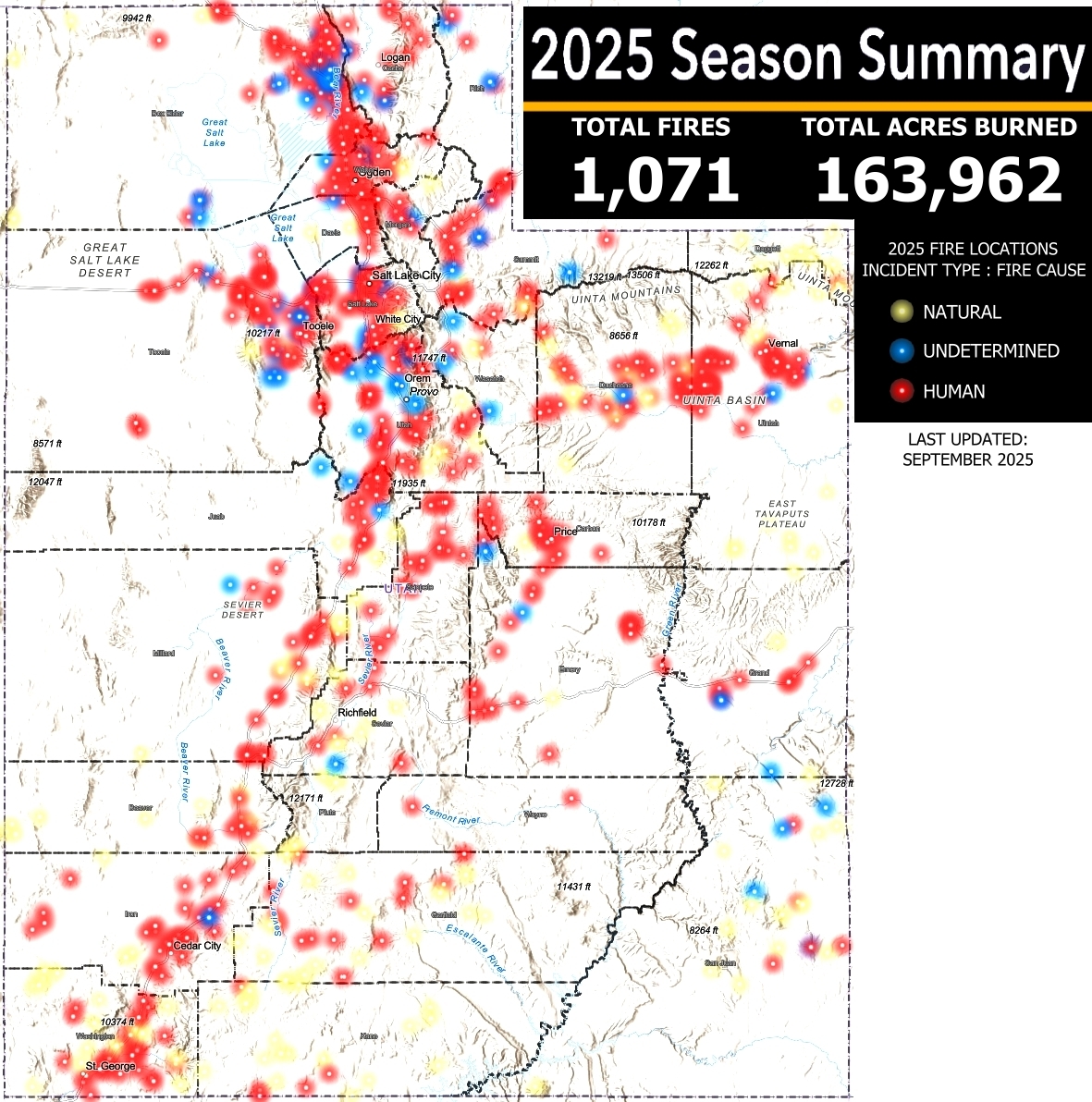
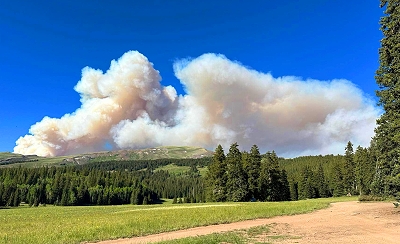
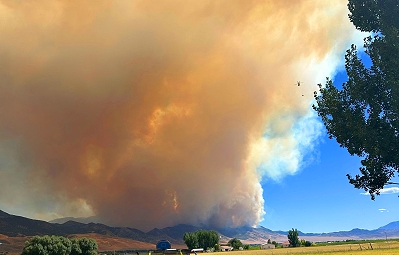
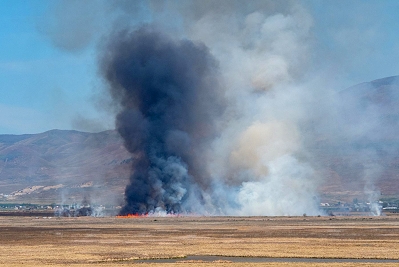
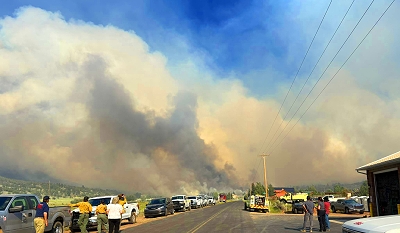
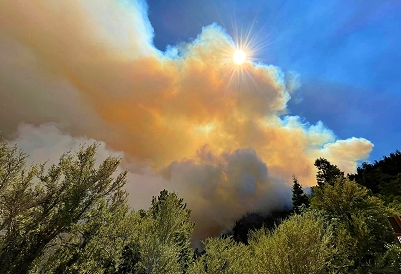
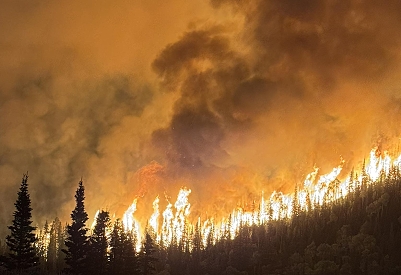
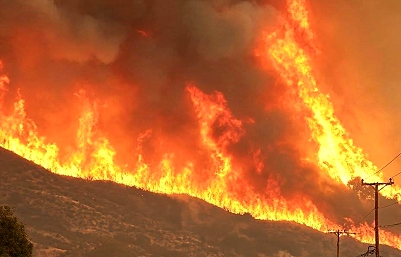
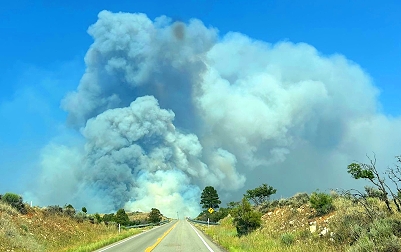
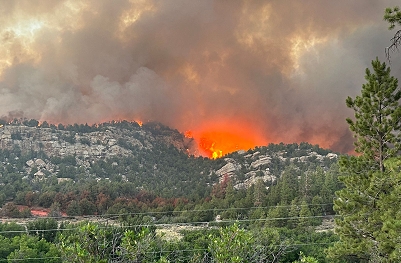
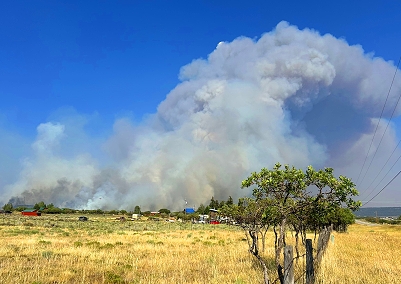
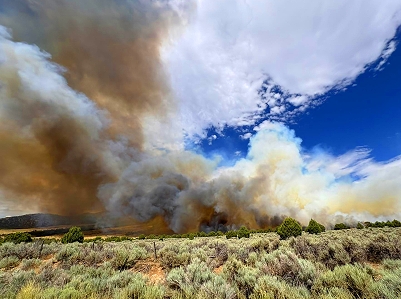
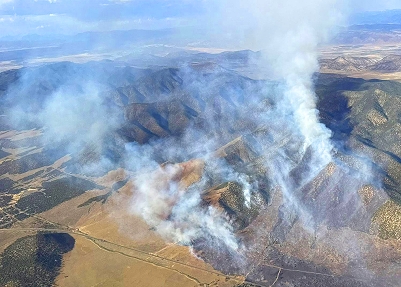
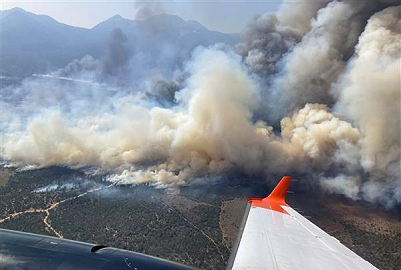
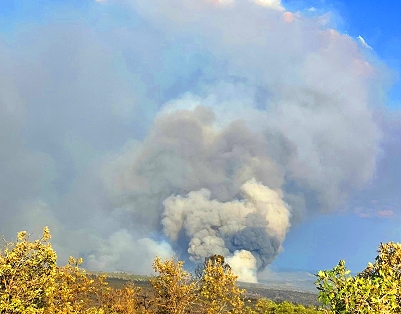
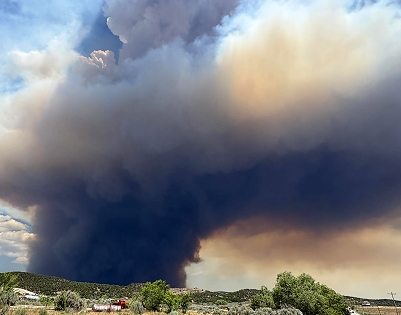
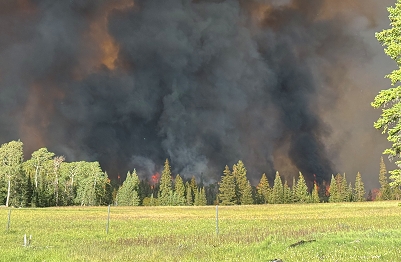
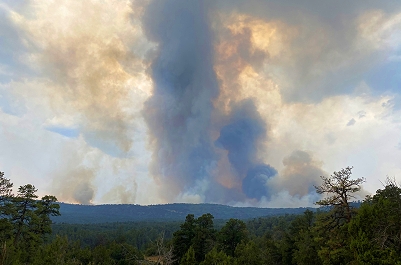
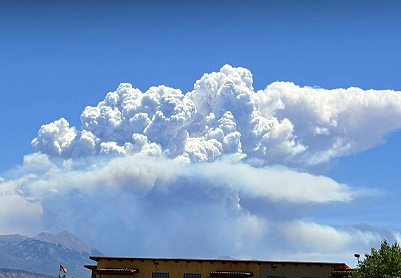
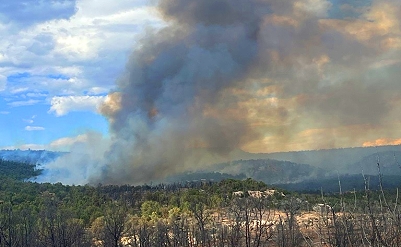
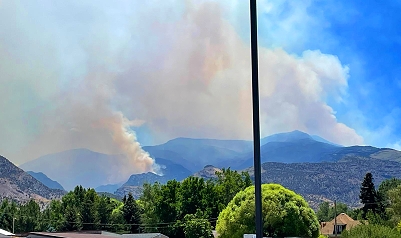
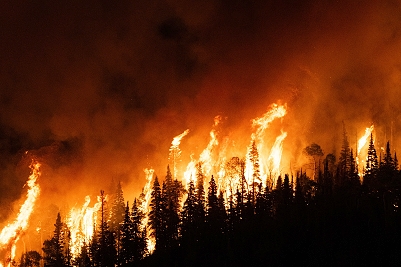
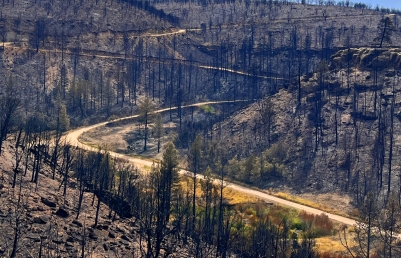
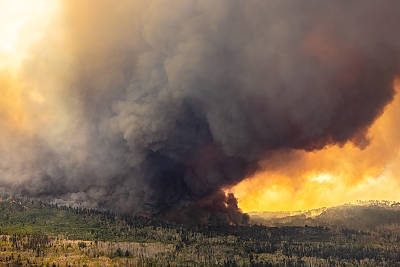
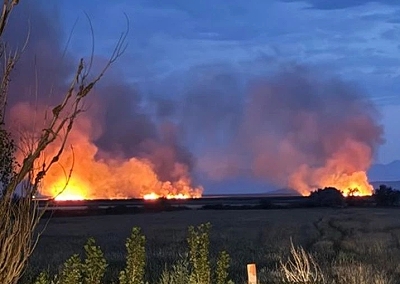
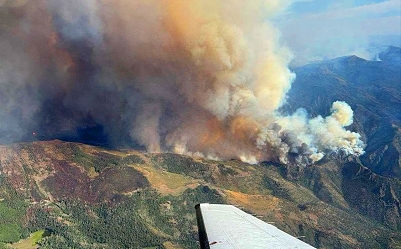
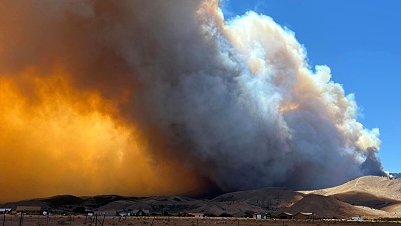
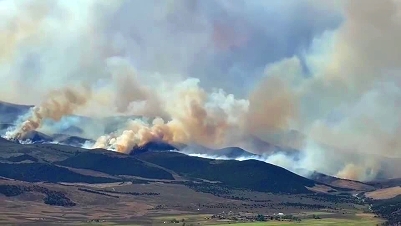
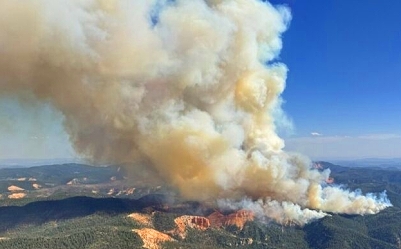
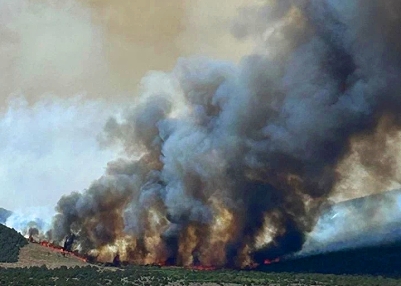
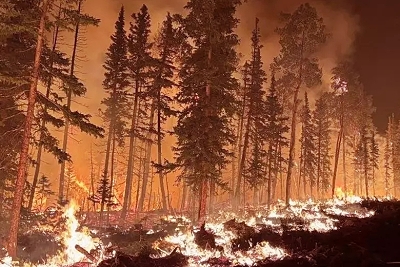
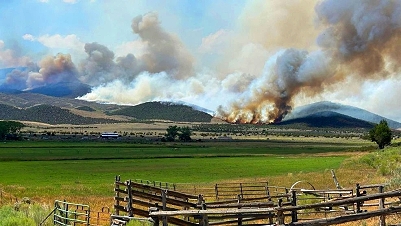
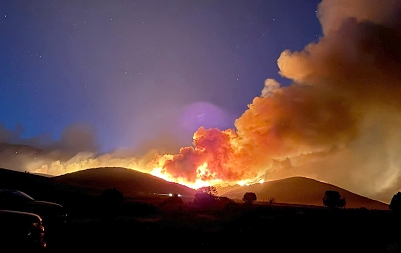
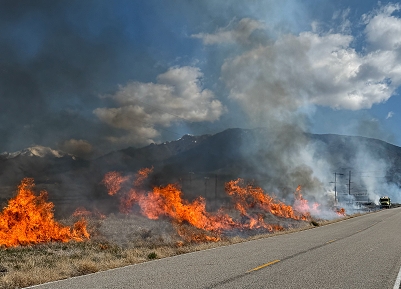
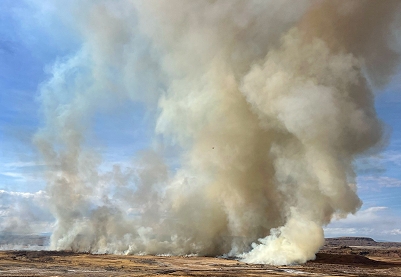
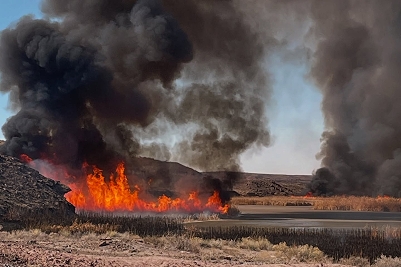
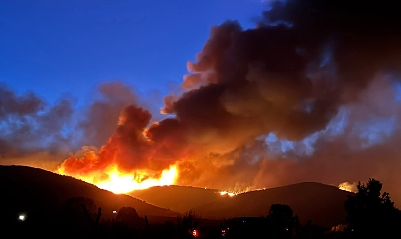
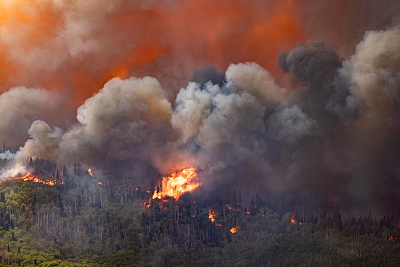
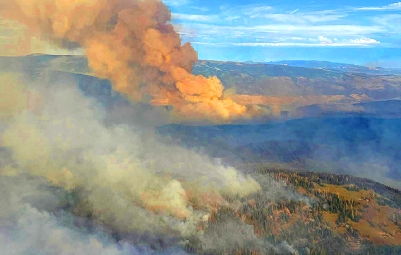
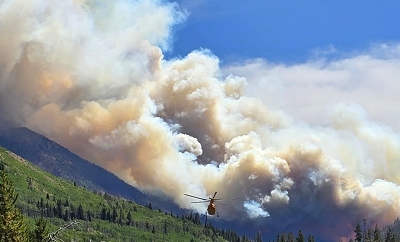
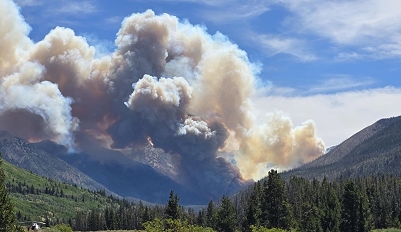
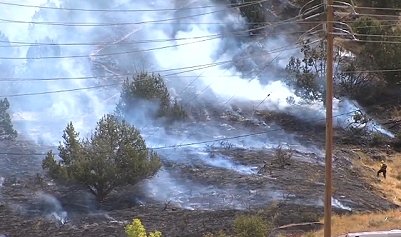
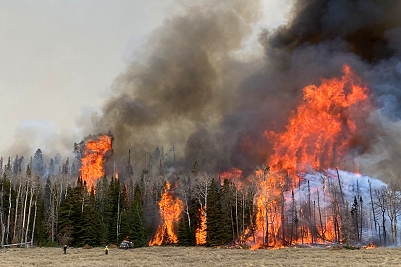
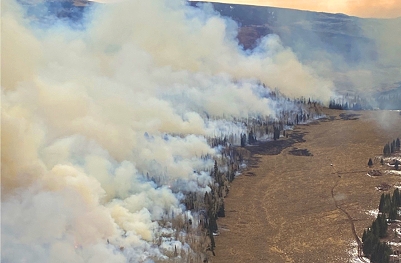
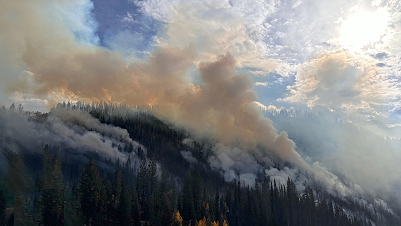
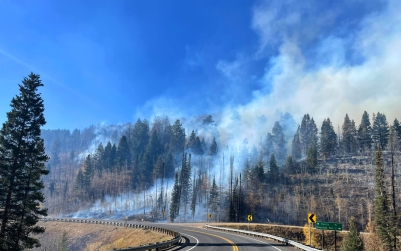
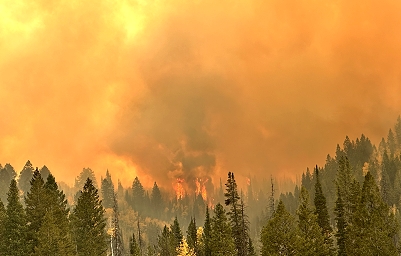
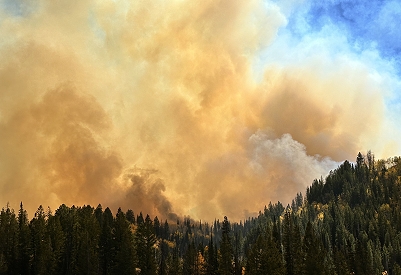
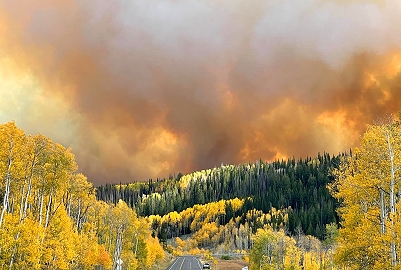
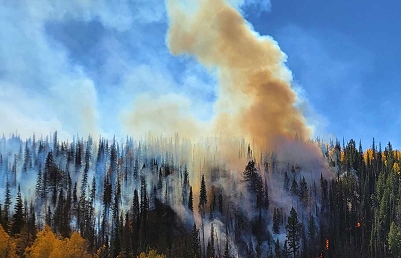
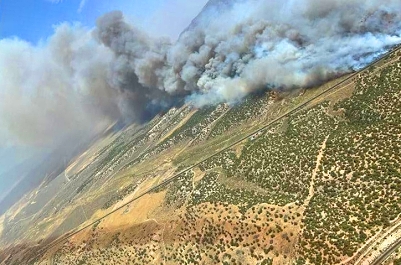
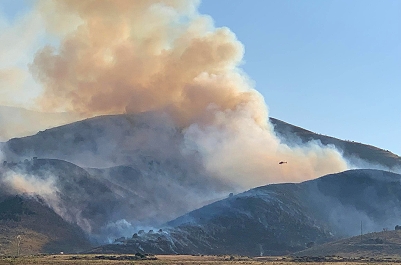
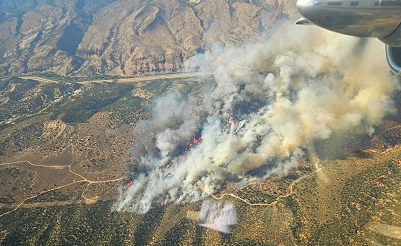
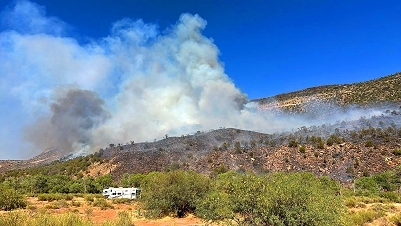
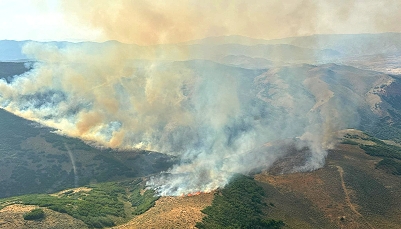
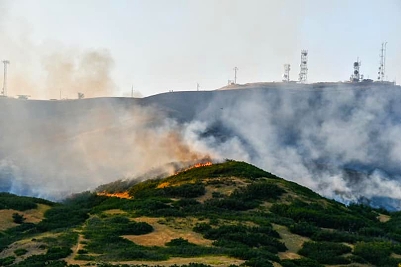
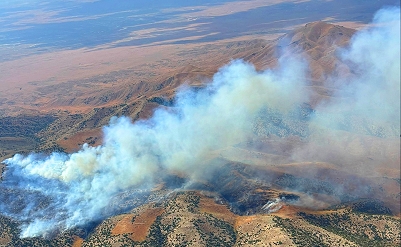
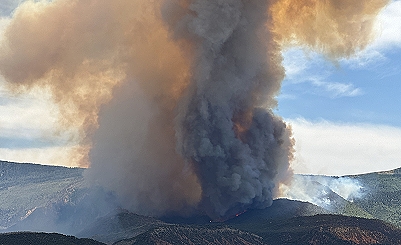
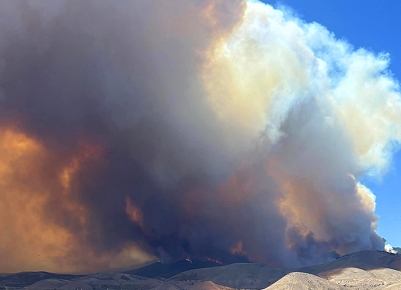
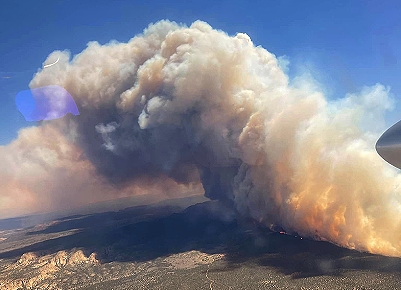
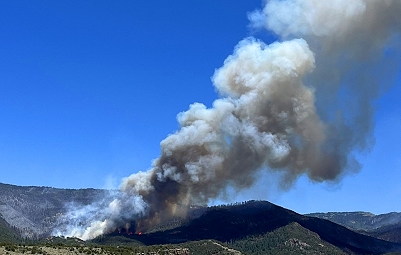
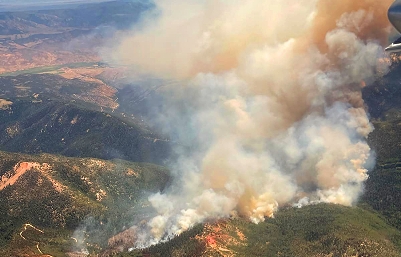
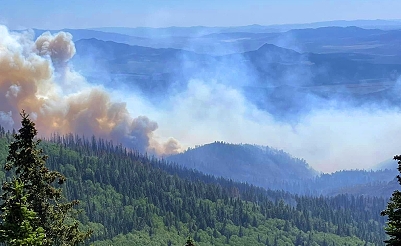
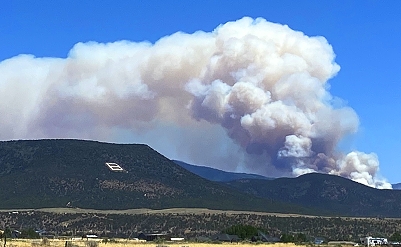
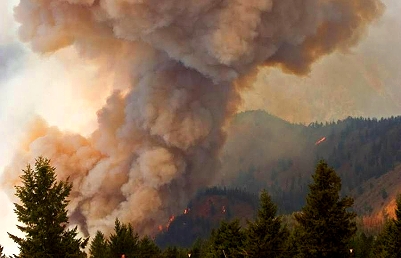
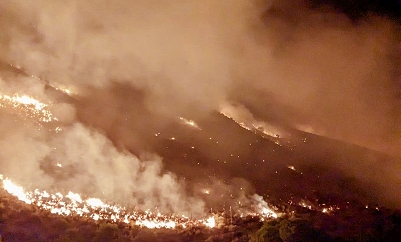
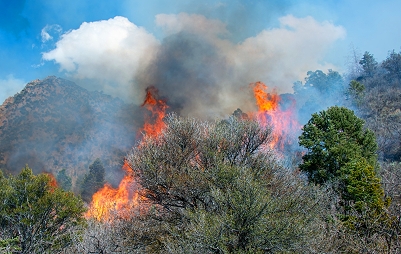
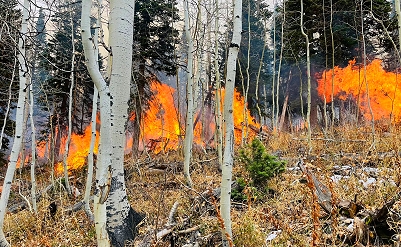
Each year hundreds of wildfires start in Utah's forests, rangelands, and deserts. Approximately 85% of wildfires are caused by human activities. These activities include unattended campfires, discarded cigarettes, equipment use and malfunctions, and intentional acts of arson. Natural causes such as lightning account for the remaining 15% of wildfires. Click on a website below to learn more about wildfires in Utah:









Explore Utah was created and is maintained by Explore Utah Online ©2020-2026 (All Rights Reserved) This website was created for the enjoyment of Utah. If you believe copyrighted work is available on this website in a way that constitutes a copyright infringement please contact me for removal. All rights to the images and other materials used belong to their respective owners. I do not claim ownership over any third-party content used. Photos on this website are used for educational purposes only and used with permission and courtesy of: Scott Taylor - Albert Wirtz - Angela Banfield - Catherine Colella - Chase Bartholomew - Danielle Yung - Elliott Hammer - Francisco Ovies - George Gibbs - Greg Kebbekus - Hilary Bralove - Jacob Moogberg - Jim Paton - Jim and Nina Pollock - John Dahlstet - Jay Luber - Jessica Holdaway - John Hammond - John Dahlstet - Logan Selinski - Logan Selinski - Michelle Leale - Mae Thamer - Mark Thompson - Mia & Steve Mestdagh - Michelle Leale - Randy Baumhover - Sven Hähle - Shawn Anthony - Thomas Eckhardt - Thomas Jundt - University Of Utah - Bureau of Land Management - Utah Education Network - Utah History Encyclopedia - Utah League of Cities and Towns - Utah Geological Survey - Ski Utah - Free To Use Photo Websites: Unsplash - Pexels - Freepik - Pixabay - iStock - ShutterStock - Burst - Flickr - PickPik - Rawpixel - HistoryPictureArchive This website contain links to third party websites. The linked sites are not under the control of this website and is not responsible for the contents of any linked website. These links are provided as a convenience only and shall not be construed as an endorsement of, sponsorship of, or affiliated with the linked website ... Send your comments or questions to webmaster@exploreutah.online
