


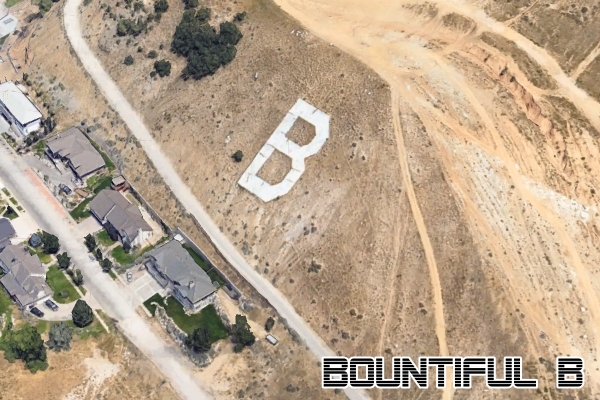
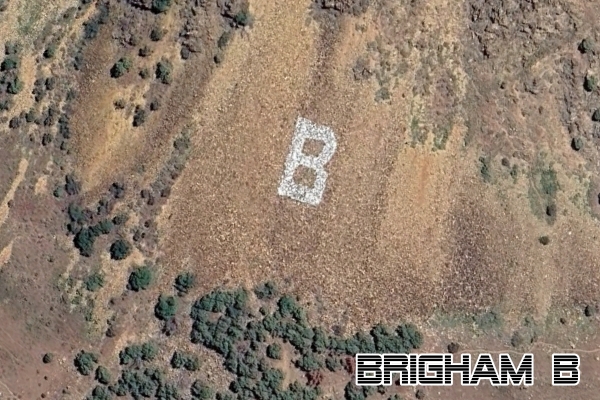
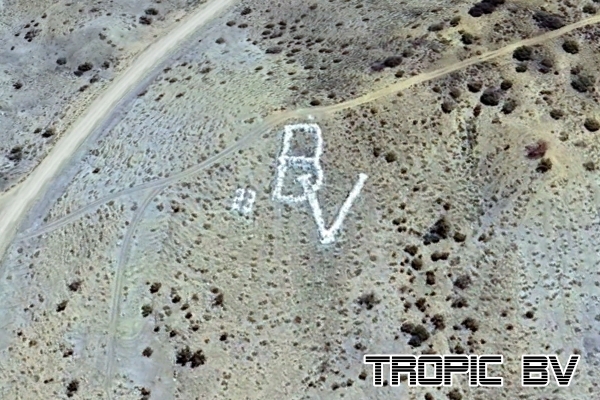
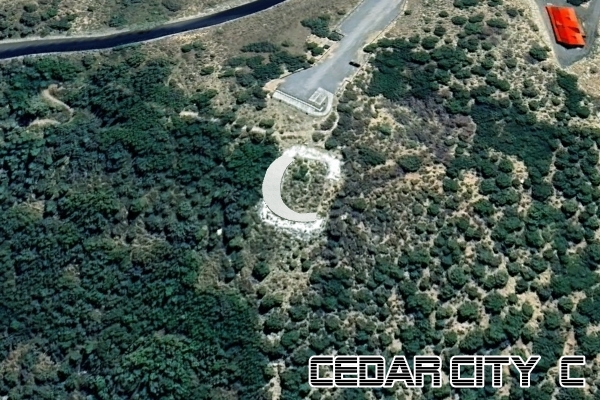
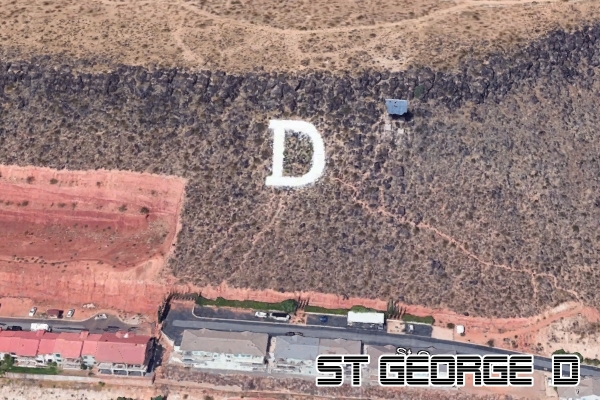
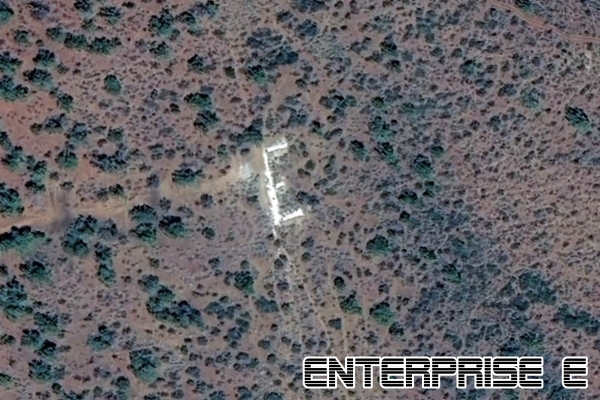
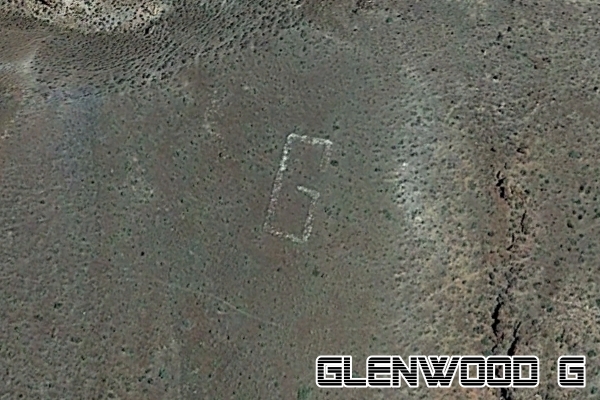
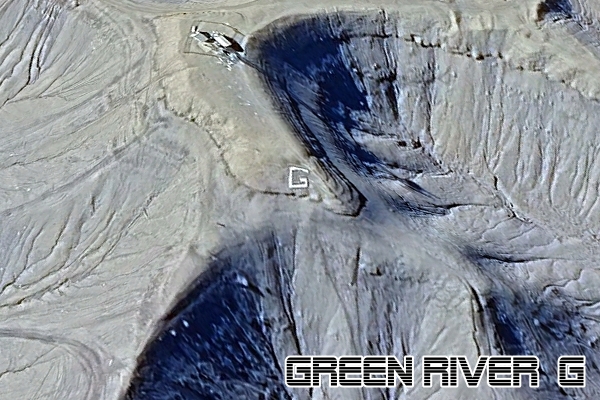
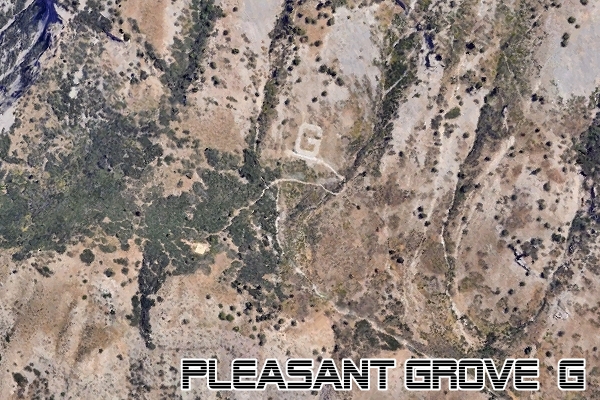
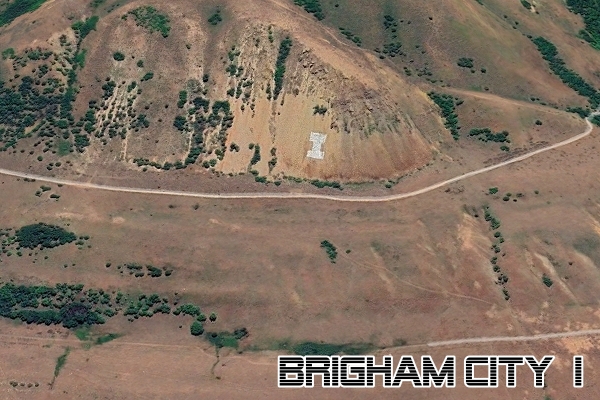
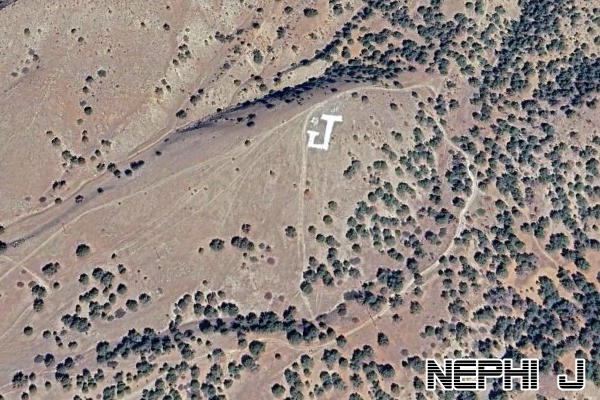
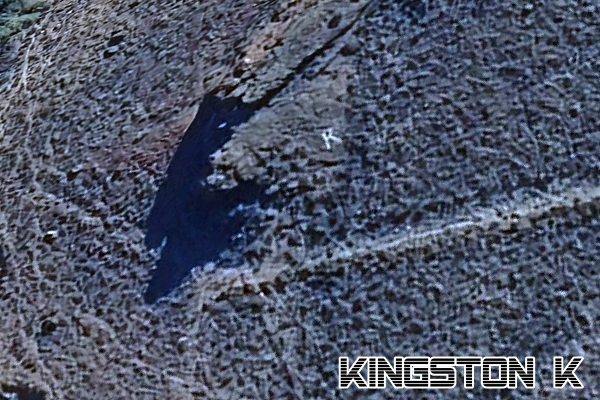
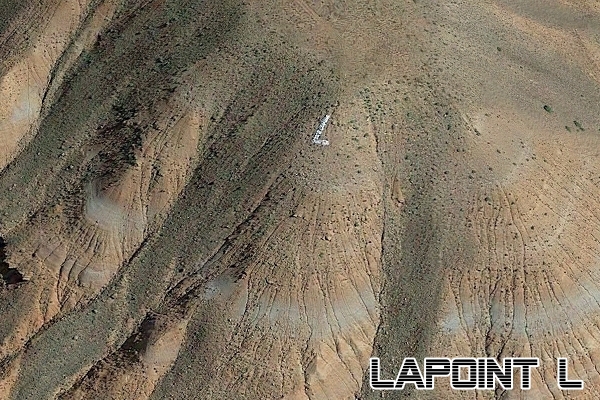
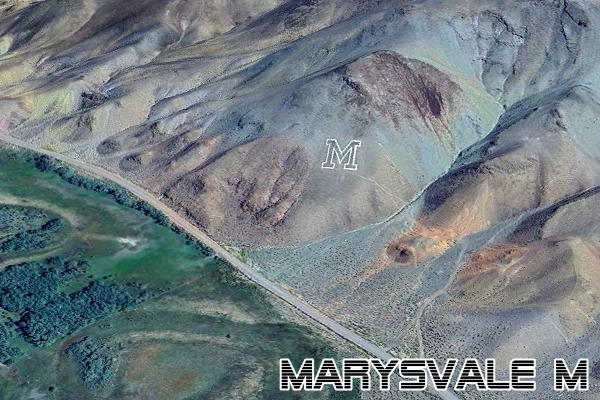
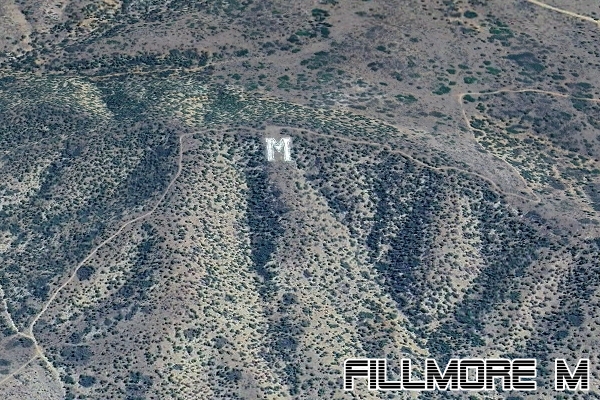
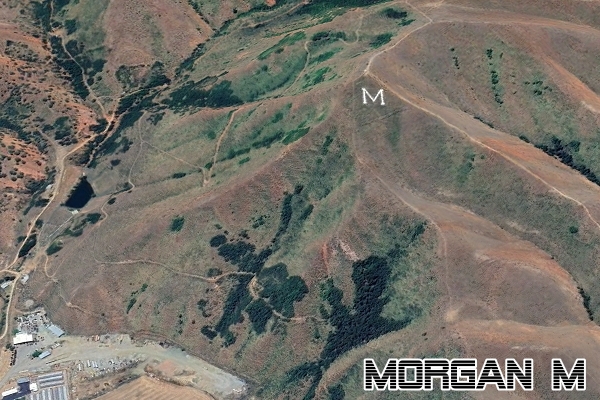
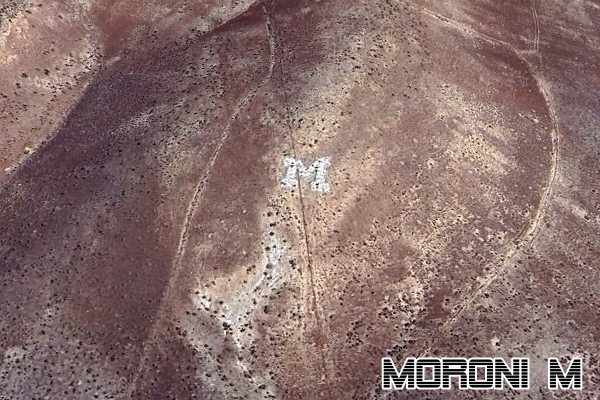
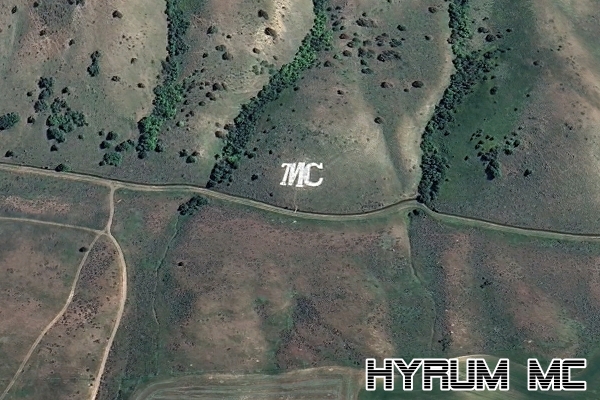
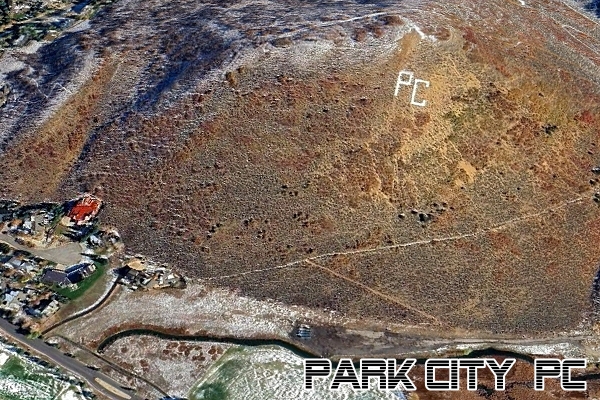
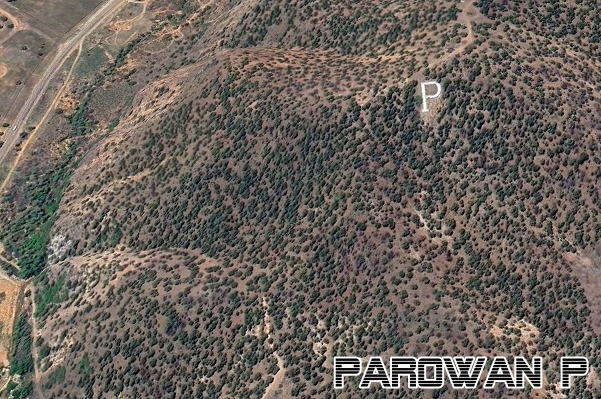
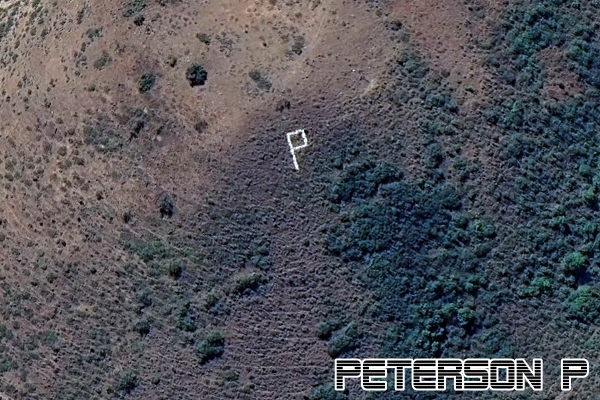
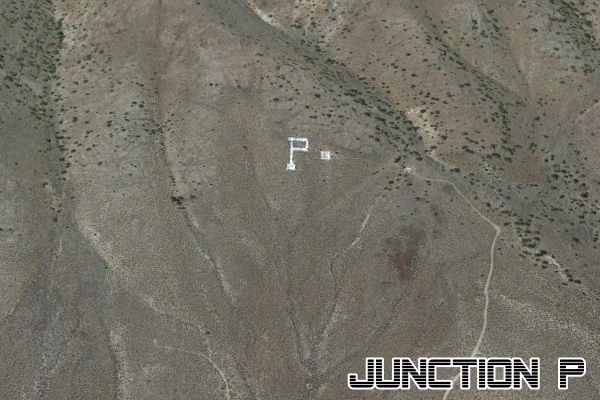
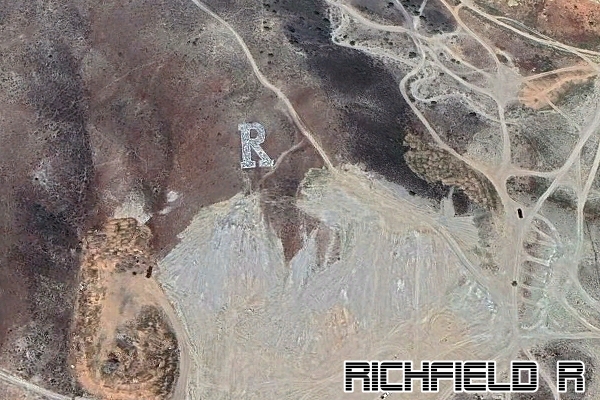
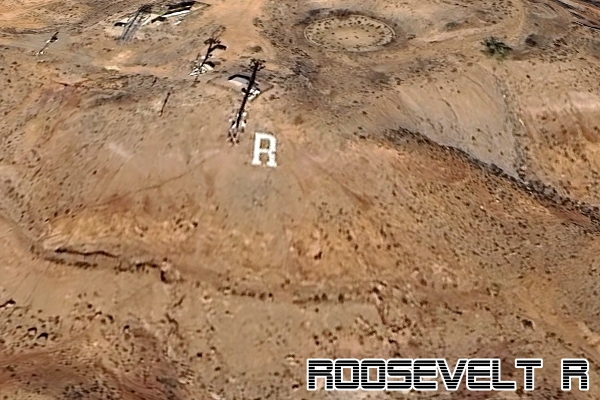
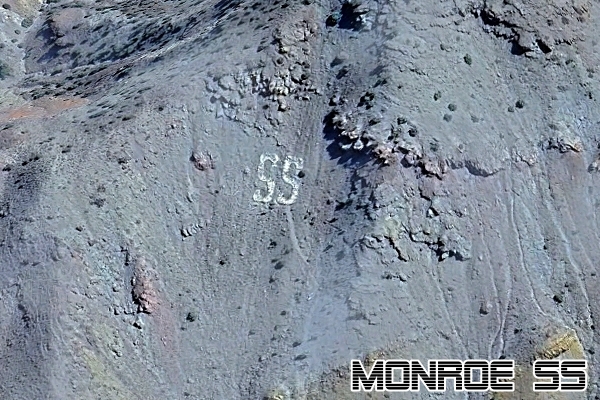
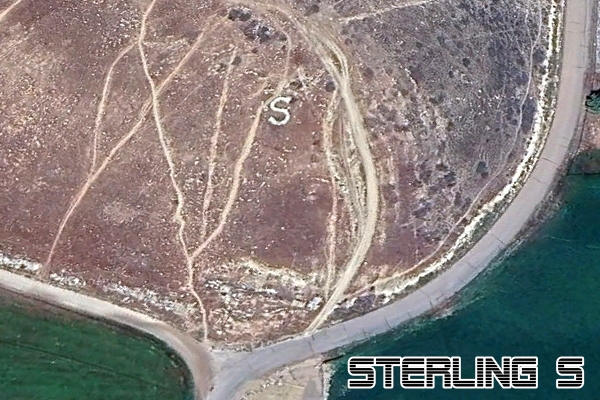
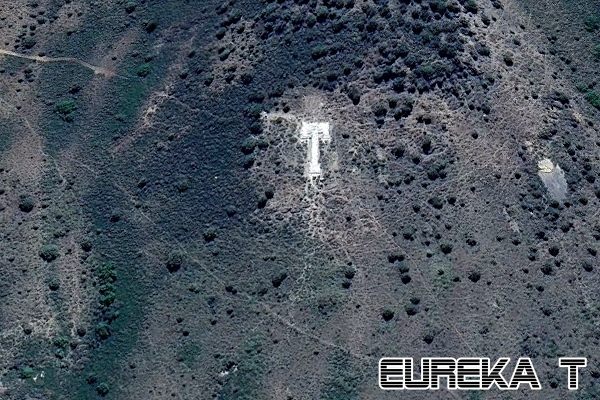
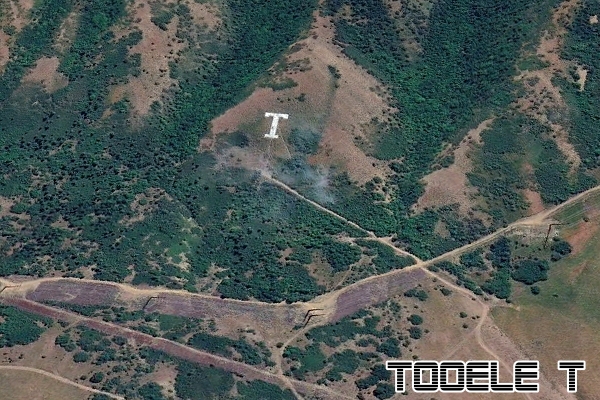
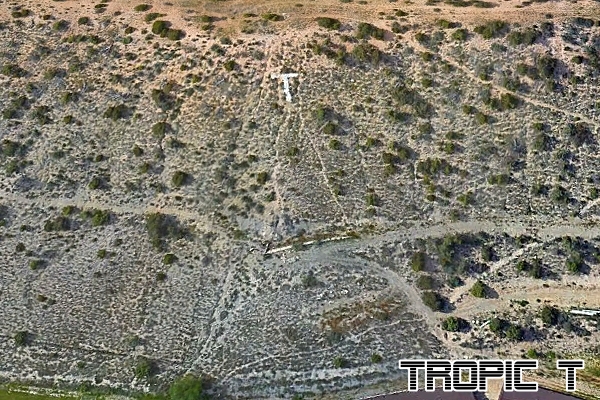
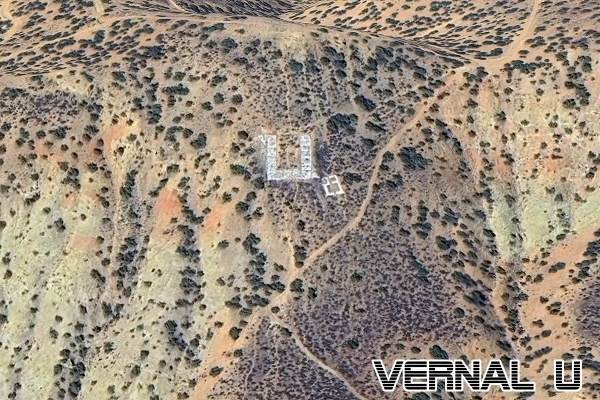
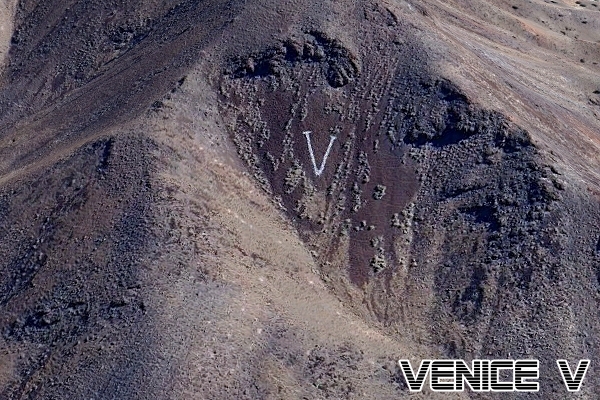
Hillside letters or mountain monograms are a form of hill figures common in the Western United States, consisting of large single letters, abbreviations, or messages displayed on hillsides, typically created and maintained by schools or towns. There are around 70 of these geoglyphs, ranging in size from a few feet to hundreds of feet tall. Hillside letters form an important part of the western cultural landscape, as they function as symbols of school pride and town identity. The first three mountain monograms built were constructed to end rivalries between different graduating classes at universities. Letters have also been erected to celebrate the building of high schools.
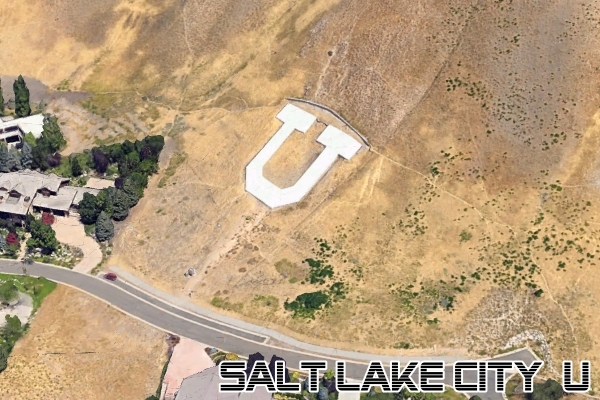
In 1906, Brigham Young University in Provo, Utah, proposed and surveyed the first three-lettered hillside emblem BYU, but reduced it to the single letter Y after realizing the amount of labor involved. The following year, the class rivalry of the sophomores and freshmen at the University of Utah in Salt Lake City produced a hillside U on Mount Van Cott overlooking Salt Lake City. A few years later, high schools began building hillside letters; the first one was a T for Tintic High School in Eureka, Utah, built in 1912.
Y Mountain is a mountain located directly east of Brigham Young University in Provo, Utah, United States. The Slide Canyon, or Y Mountain Trail, leads to a large block Y located 1.1 miles from a parking area at the mountain's base with an elevation gain of 1,074 feet. This hillside letter was built over 118 years ago as the insignia for BYU. For years the trail to the Y has been one of the most hiked trails in Utah Valley and provides a scenic view of Provo and Orem, the rest of the many cities in Utah Valley and Utah Lake. The trail is also regularly used by hikers, bikers, paragliders and hunters to access the backcountry in the Slide Canyon area.
The Block U is a large concrete hillside letter on Mount Van Cott in Salt Lake City, Utah. The stylized "U" is a logo of the University of Utah and is located just north of the university's campus. It is one of the earliest hillside letters. It sits at 5,200 feet above sea level. Lights outlining the Block U flash when the Utah Utes athletic teams win and burn steady when they are defeated. The official name is the "Block U" and is a registered trademark of the University of Utah. The U is over 100 feet tall and has a surface area of over 5,000 square feet. It can be seen from many different areas of the Salt Lake Valley.

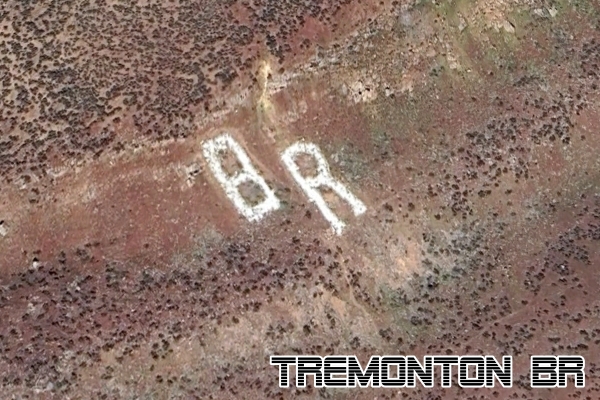
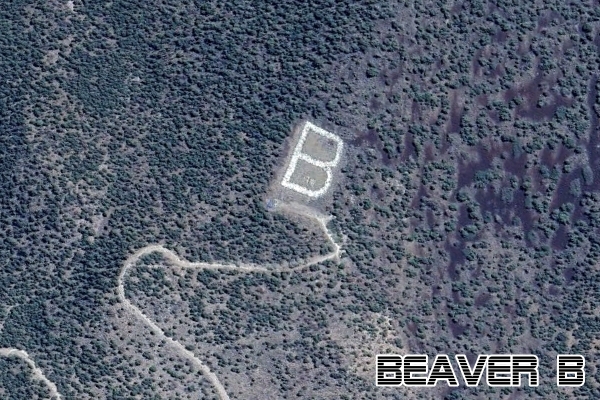


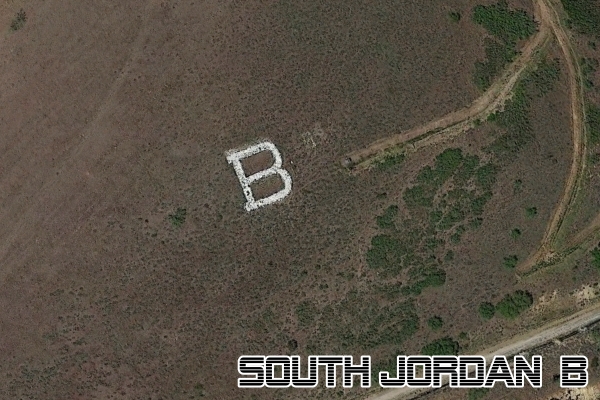
























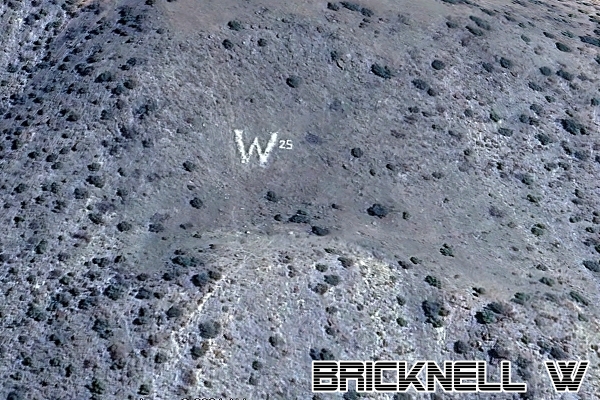


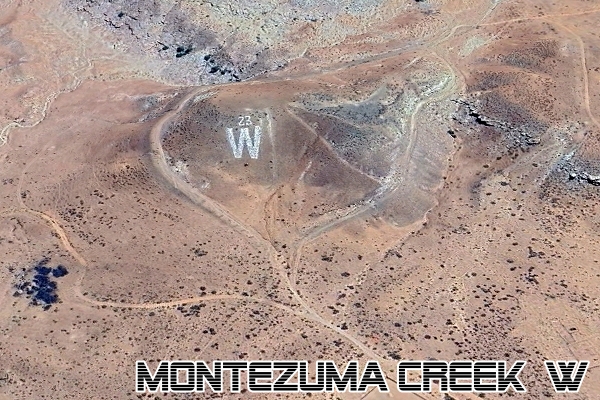
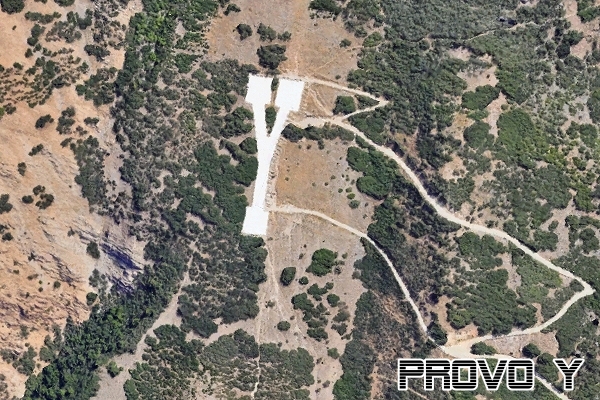

Satellites in space, hot air baloons, passenger jets, drones, and even the International Space Station fly over Utah on a daily basis. As they do they capture incredible photos of Utah from high above you. From a high vantage point, Earth appears as a vibrant, blue marble dotted with clouds, showcasing its curvature and the vastness of space. The atmosphere and the horizon are also visible, with the atmosphere gradually fading into the blackness of space. From high enough altitudes, the curvature of the Earth becomes noticeable, with the horizon appearing as a curved line. Satellites in high Earth orbits are used for communication, navigation, scientific research, and military applications, providing a nearly unobstructed view of the Earth and deep space. The International Space Station (ISS) provides a unique vantage point for observing Earth, with its High Definition Earth Viewing (HDEV) experiment offering stunning visuals. We often think of space as being very far away. Yet the edge of space is only 62 miles above sea level.
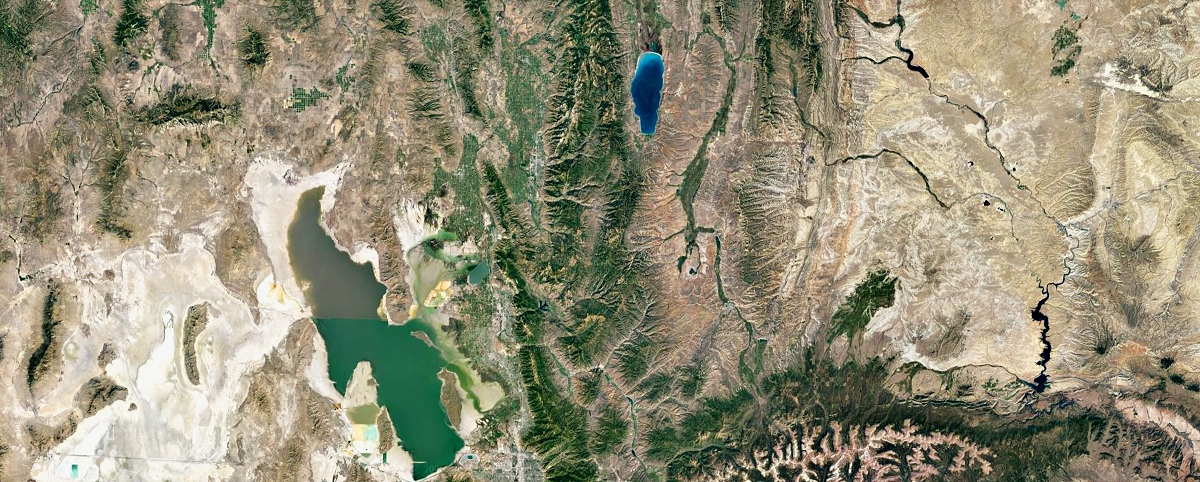
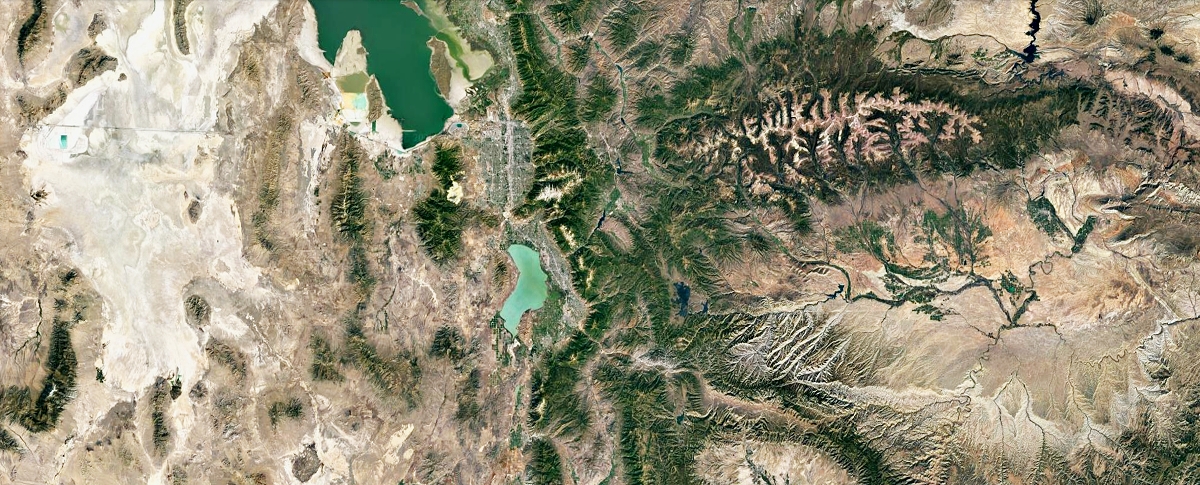


Utah From Space

Wasatch Mountain Range

San Rafael Swell
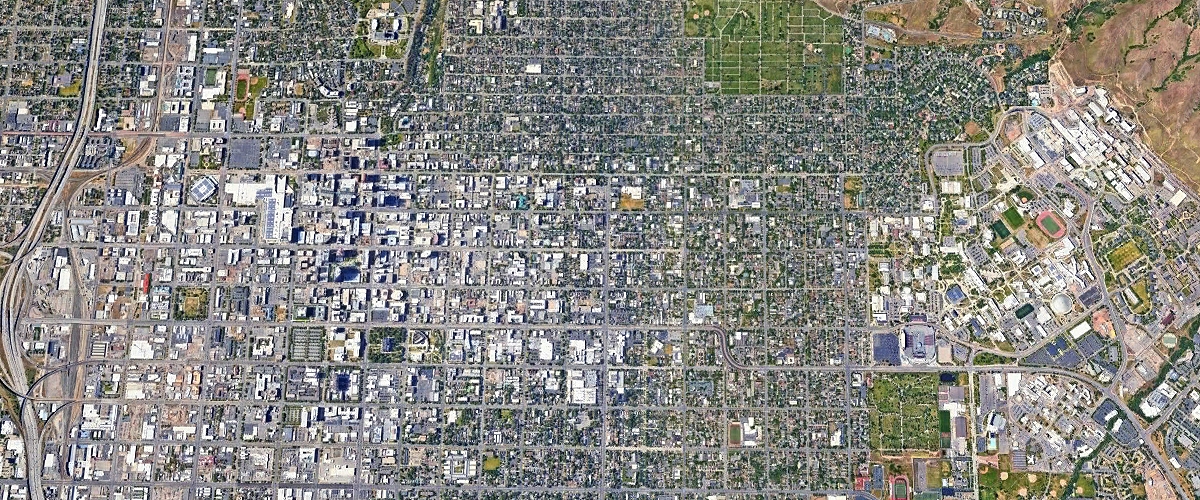
Salt Lake City University Of Utah

Glen Canyon National Recreation Area
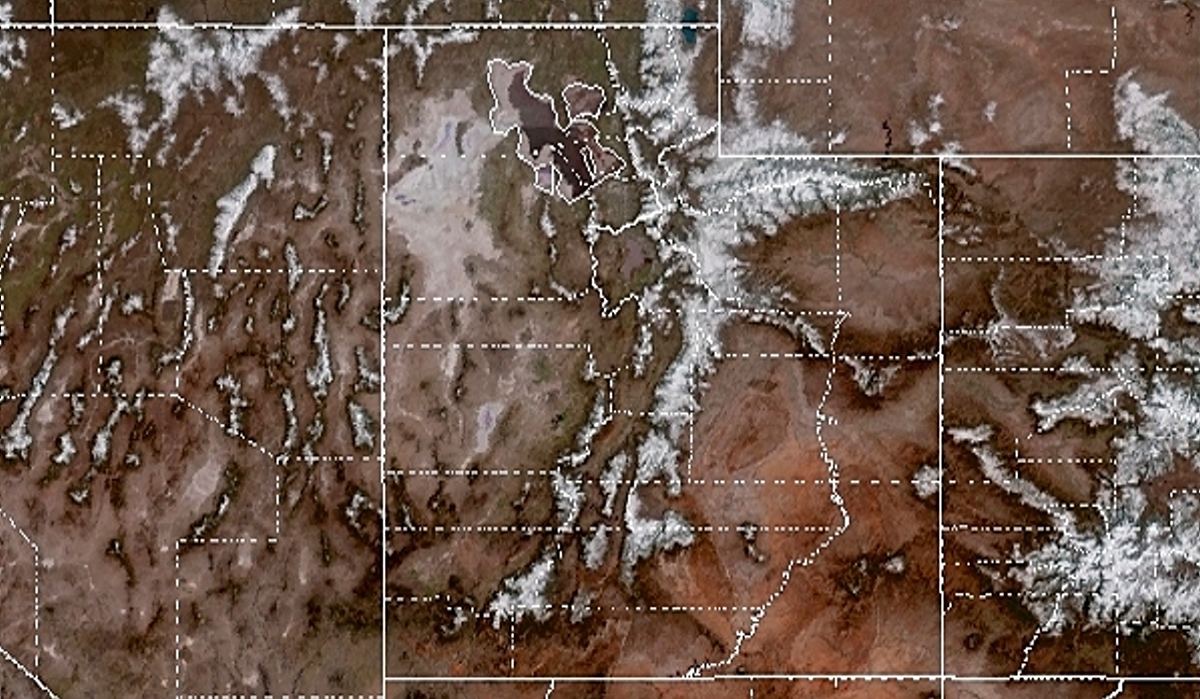
Utah Mountain Snow In Winter
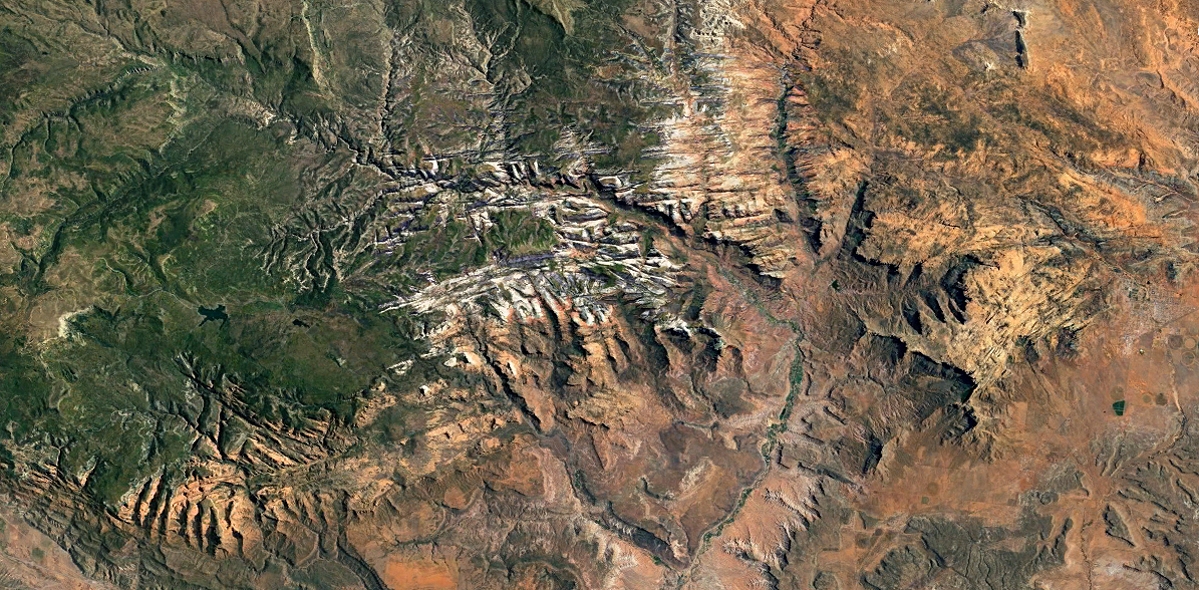
Zion National Park

Western US From Space At Night

Great Salt Lake

City Of Moab

Canyonlands National Park
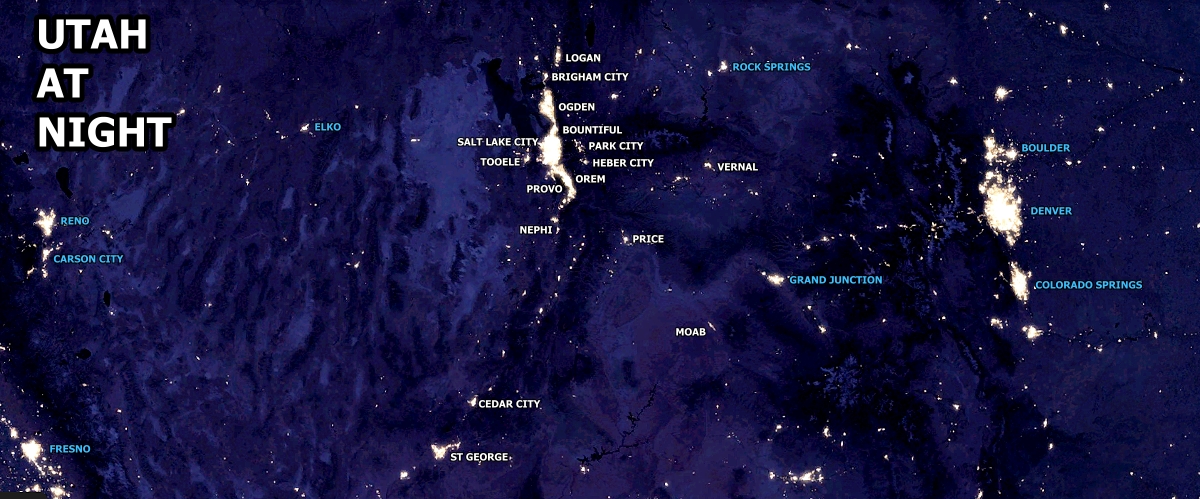
Utah Area At Night

The Wasatch Valley Front North
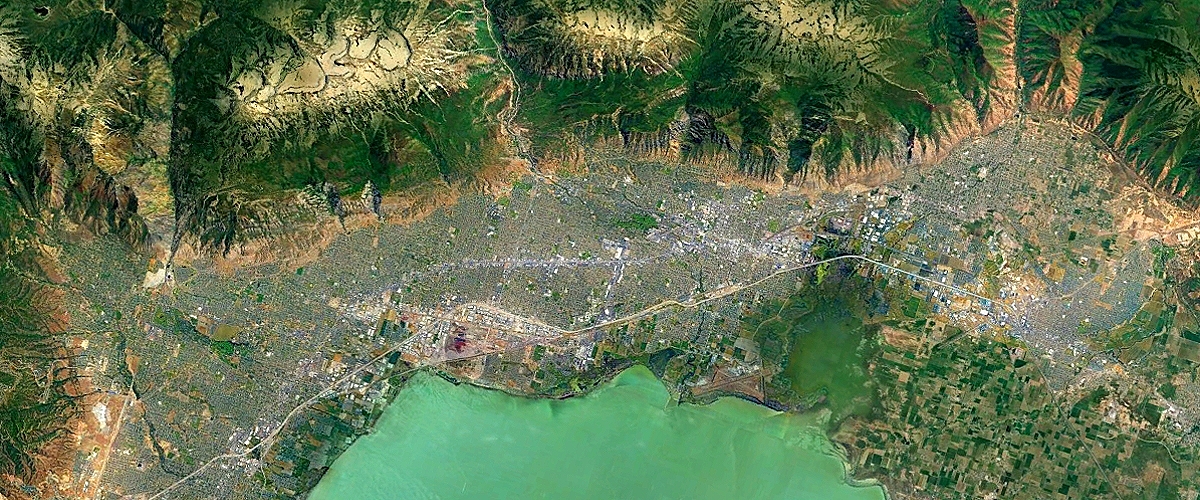
The Wasatch Valley Front South
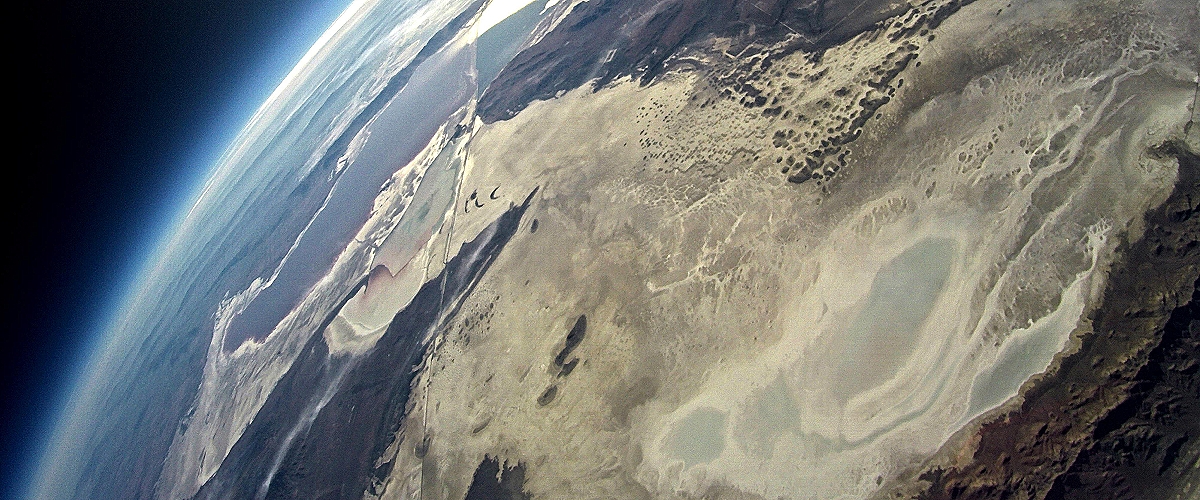
Great Salt Lake & Bonneville Salt Flats
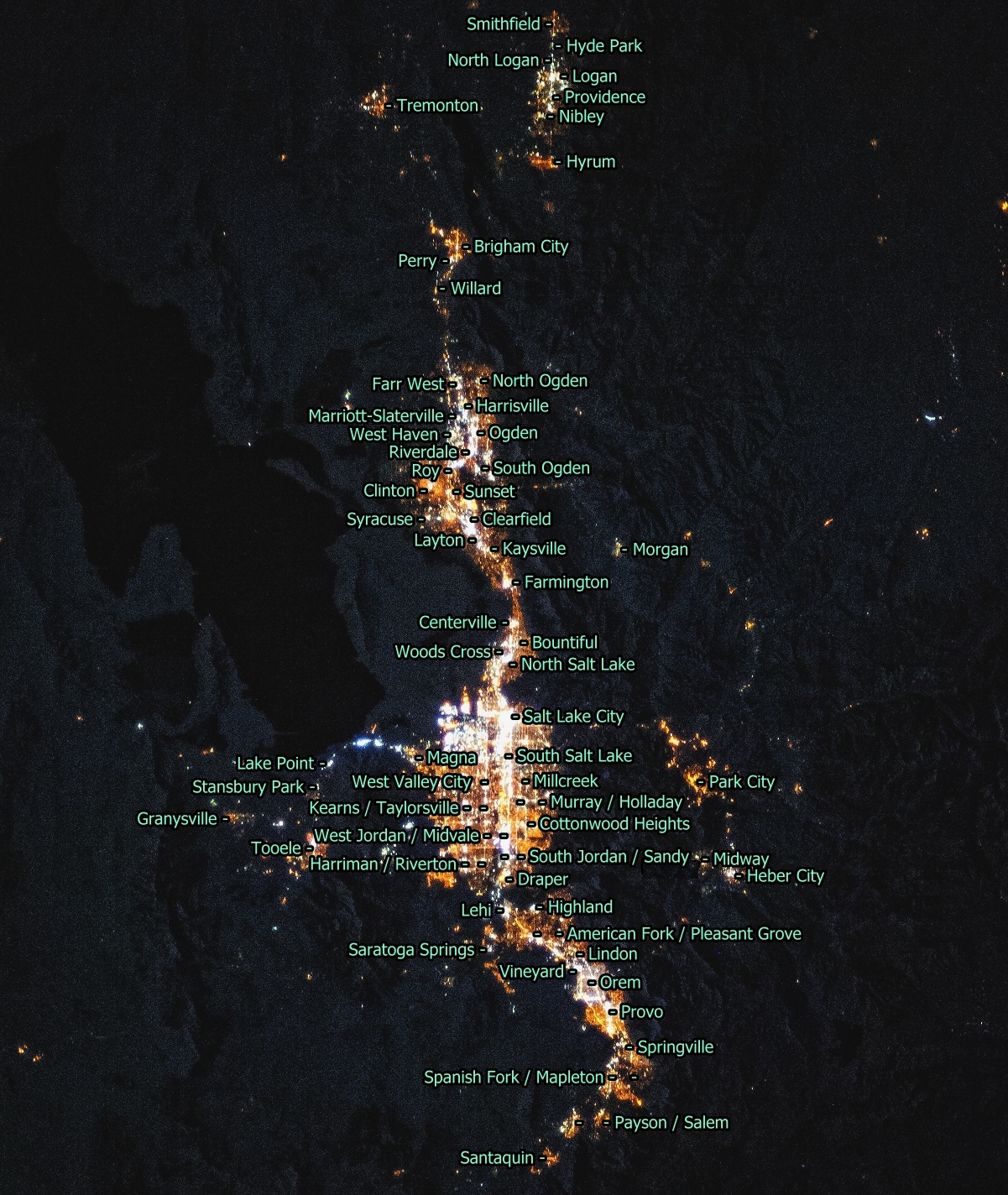
Wasatch Front At Night

Potash Evaporation Ponds
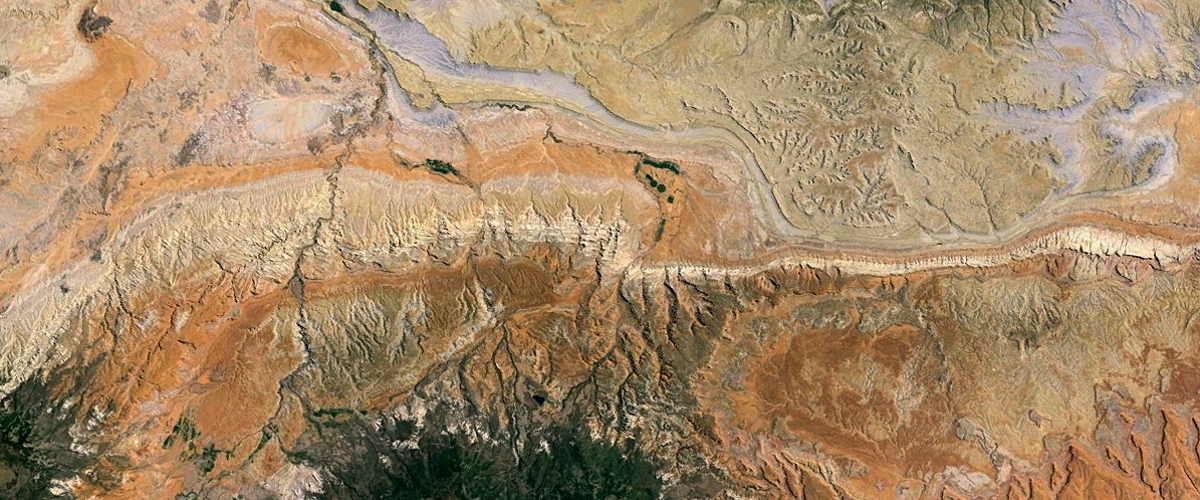
Capitol Reef National Park

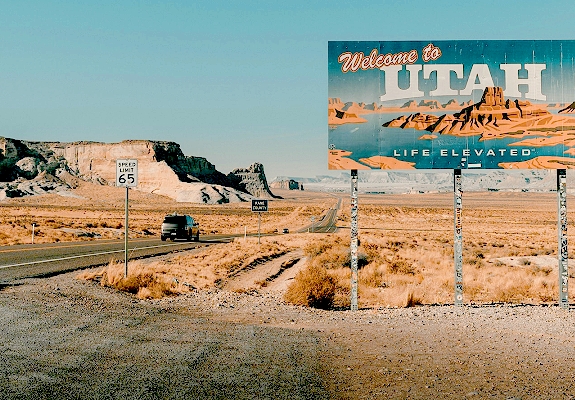
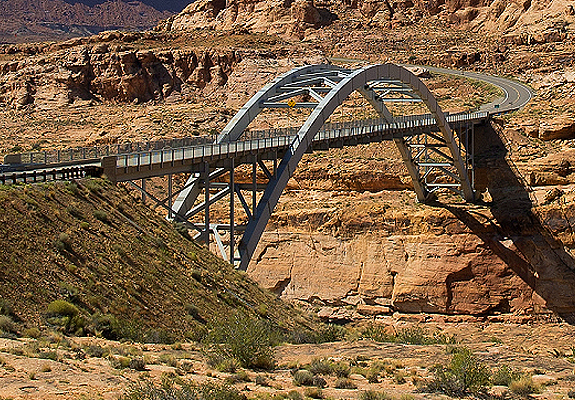
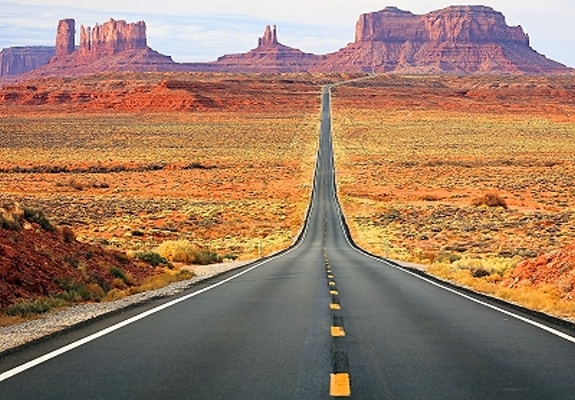
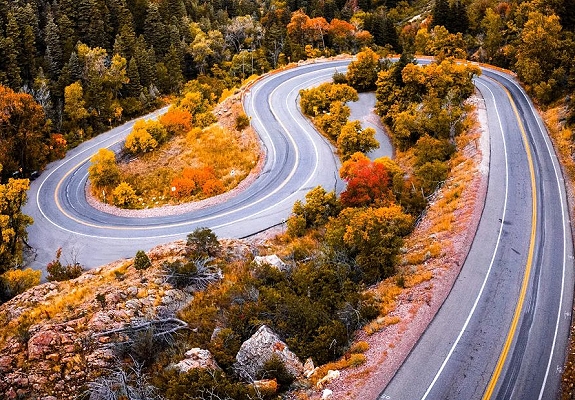
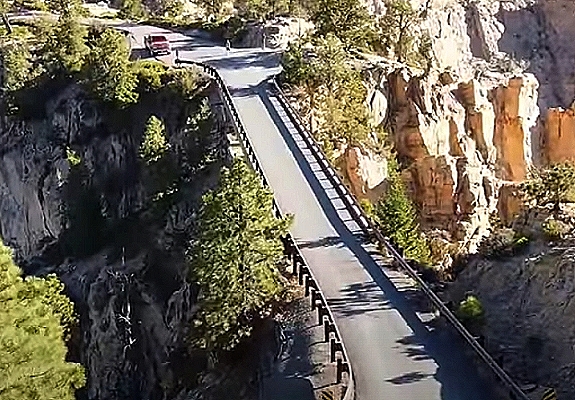
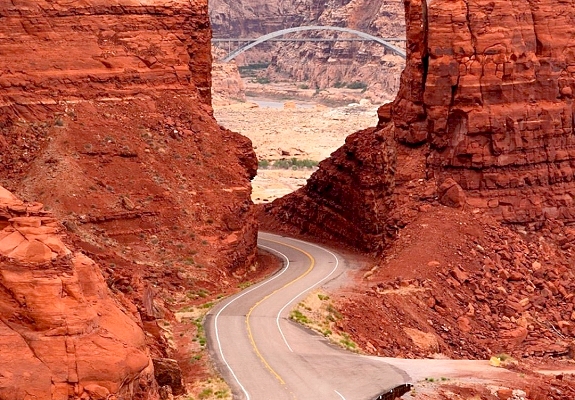
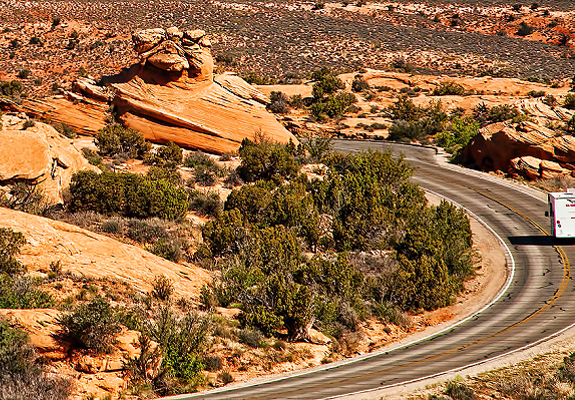
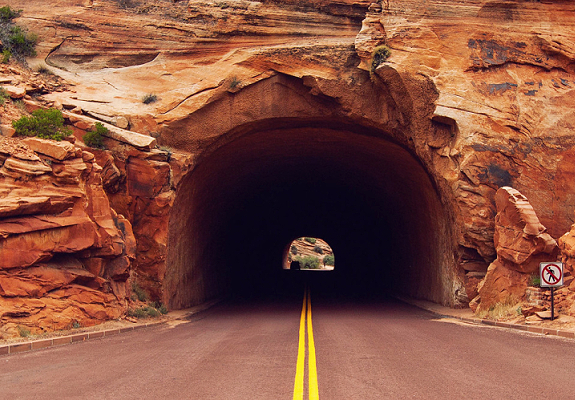
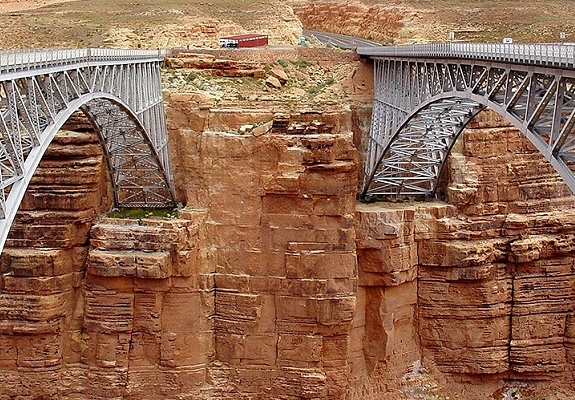
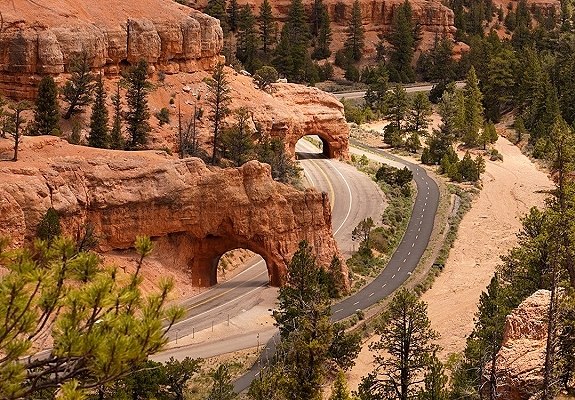
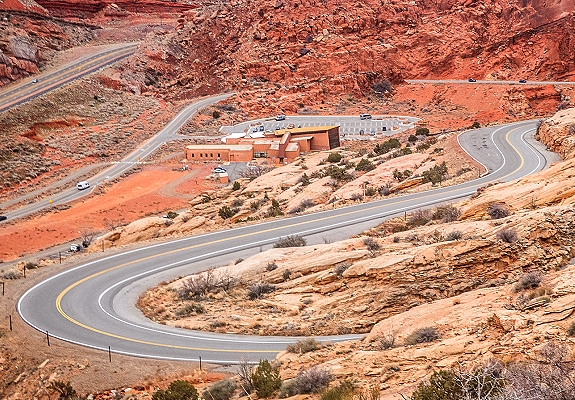
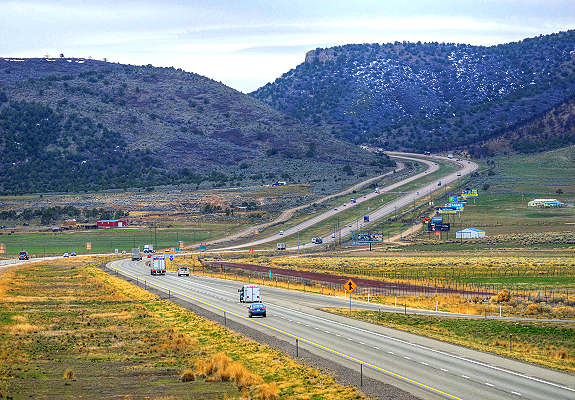
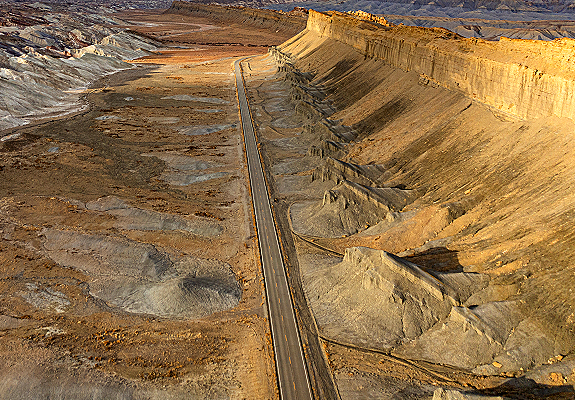
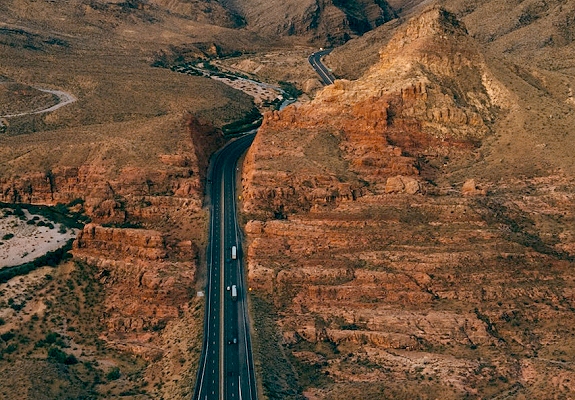
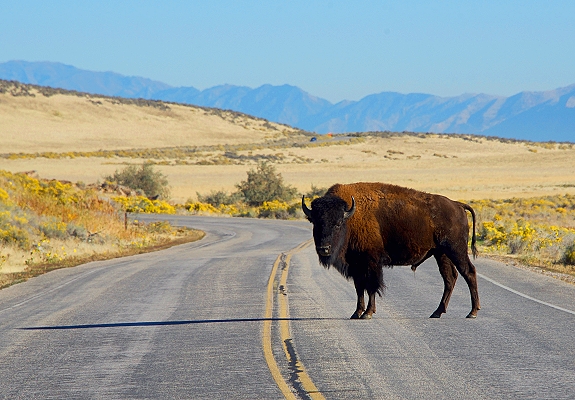
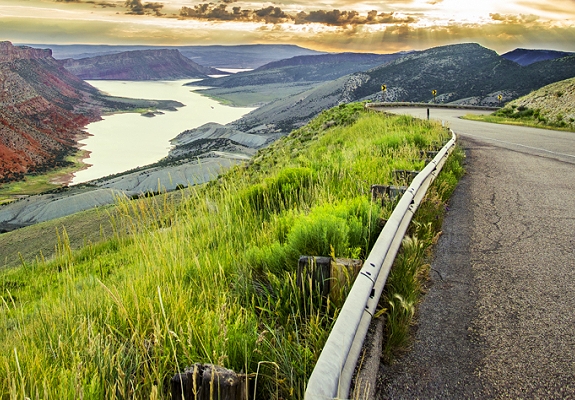
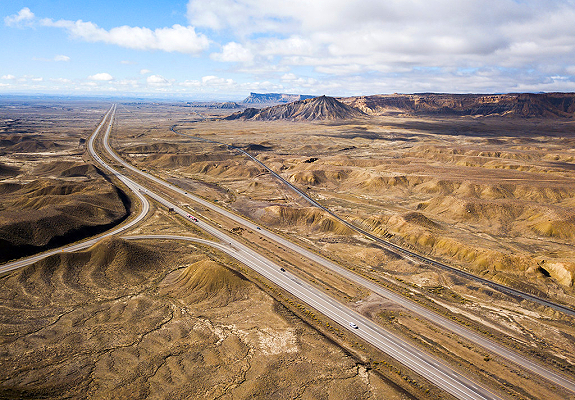
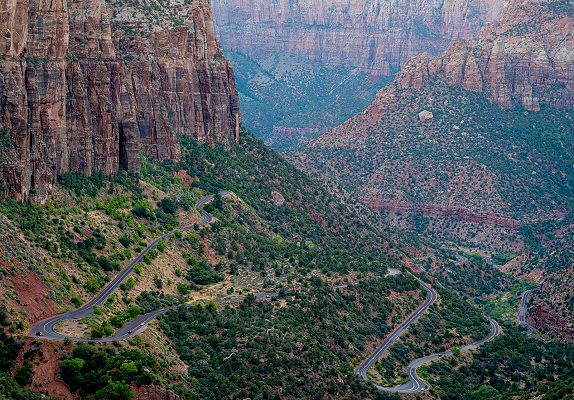
The geographic size of Utah might seem daunting, but time on the road passes quickly when new discoveries punctuate each mile traveled. In total, Utah's distinct topography provides the surface for 28 scenic byways, which add up to hundreds of miles of vivid travel experiences wherein the road trip is as memorable as the destination. All of Utah's scenic byways are explorative journeys filled with trailheads, scenic overlooks, museums, local flavors and vibrant communities. These roads wind through The Mighty Five national parks, ski resorts, seven national forests, state parks and more one of a kind towns than you'd be able to visit after a year living in your van. Each journey is a photographer's paradise, a hiker's nirvana, a western historian's feast, and a geologist's dream world.


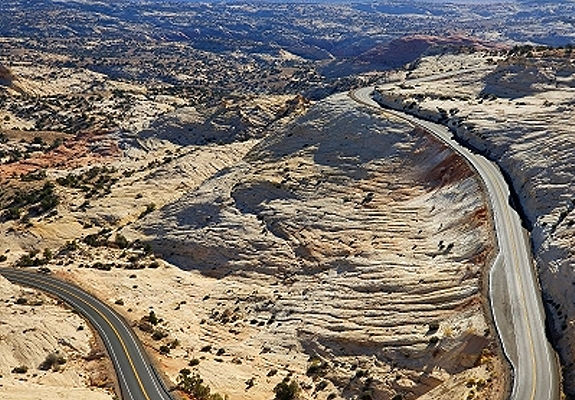

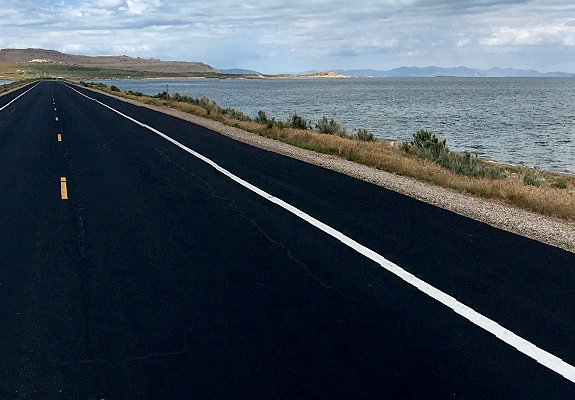
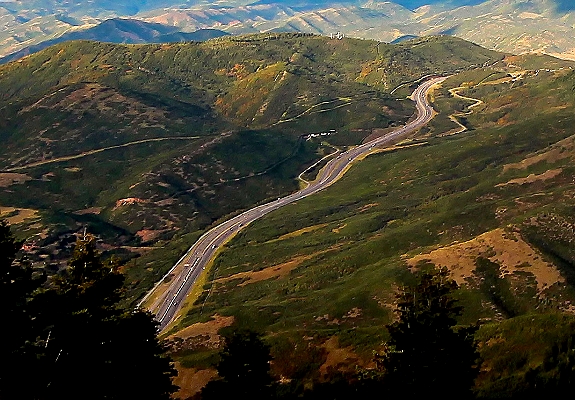


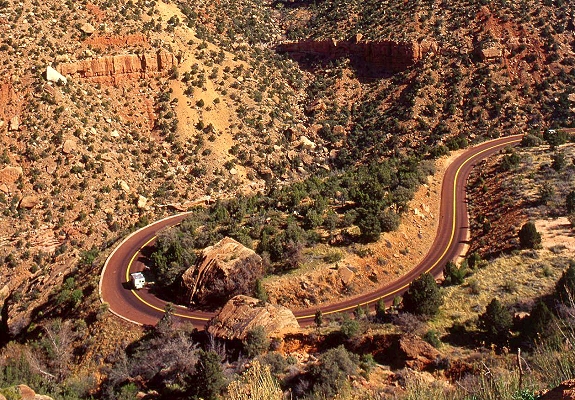











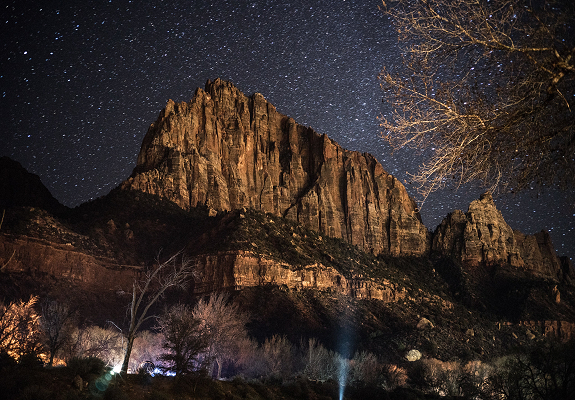
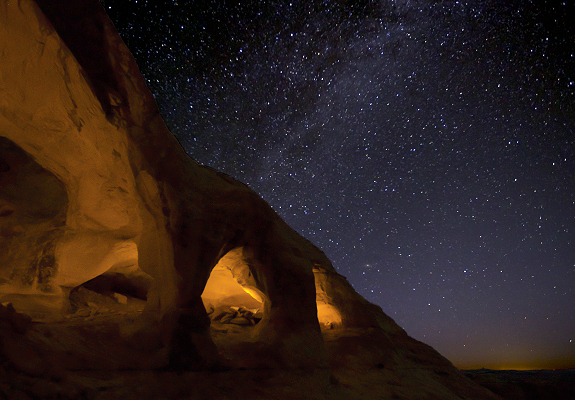
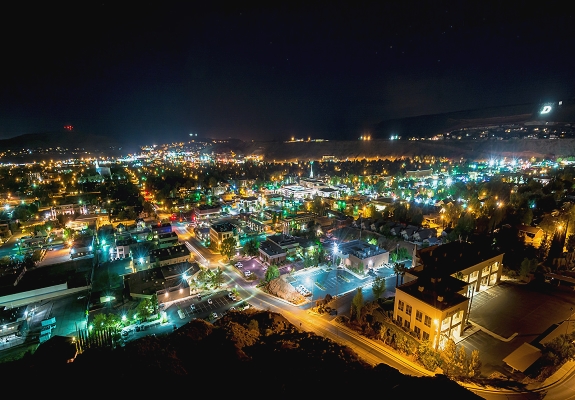
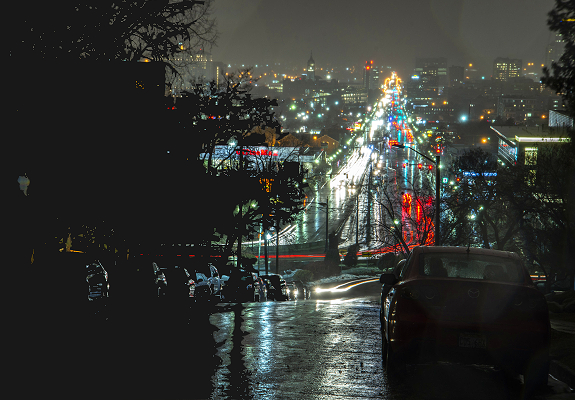
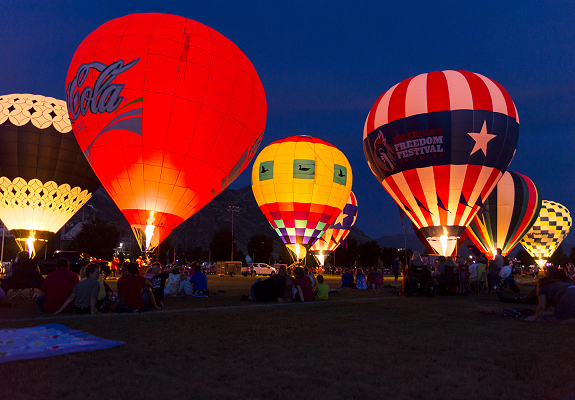
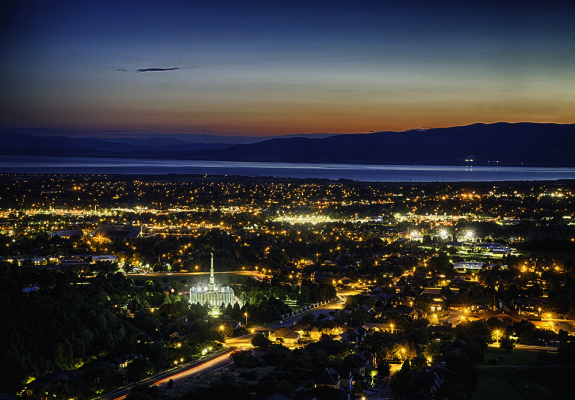
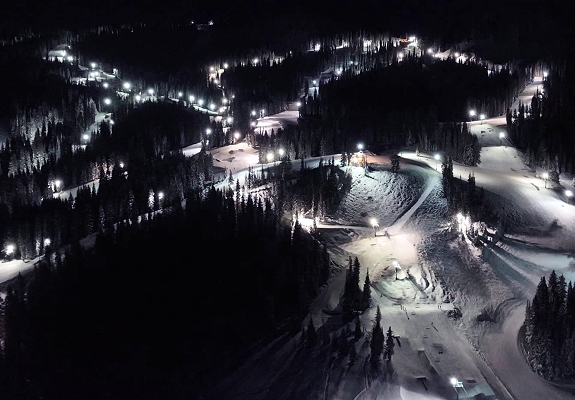
There are many places to view the Utah sky at night. Of the vast amount of dark skies they are part of the finest dark skies in the world, the highest concentration are in Utah. Explore locations statewide and make plans for experiencing natural wonders after the sun sets. 80% of Americans live in an area where they cannot see the stars of our own galaxy, the Milky Way due to the light pollution of the cities. As humans, we've been looking up in awe at the night sky as long as humans have been here. It's within us to lay out under the stars and look back in time. It can be life-changing when the night sky is on full display. During the day, Utah is known for its beautiful scenery and outdoor activities, but when the sun goes down, a whole new world of excitement opens up. From national parks to city nightlife, there are a lot of amazing things to do in Utah after dark. Places like Salt Lake City have lively nightlife scenes with live music places, rooftop bars, and unique restaurants that you can explore well into the night. After dark, Utah has everything you could want, whether you want to be alone or meet new people. While Utah may not immediately come to mind when thinking about exciting nightlife, there are plenty of options for those looking to experience a night out on the town. In smaller towns throughout the state, visitors can find cozy bars with live music and friendly locals eager to share their love for their community.








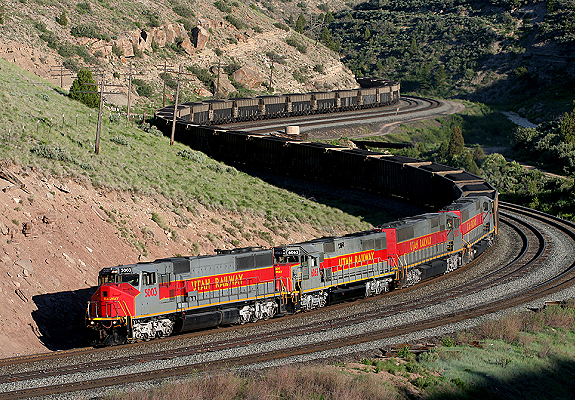
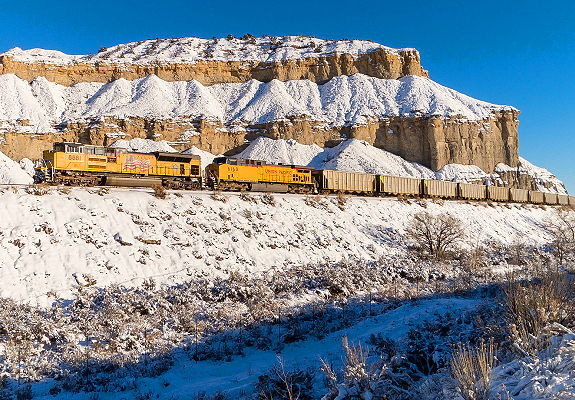
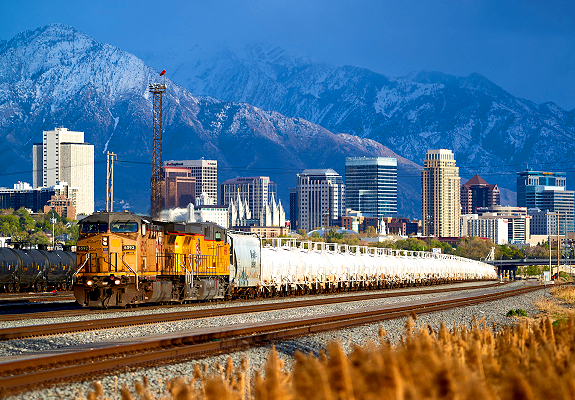
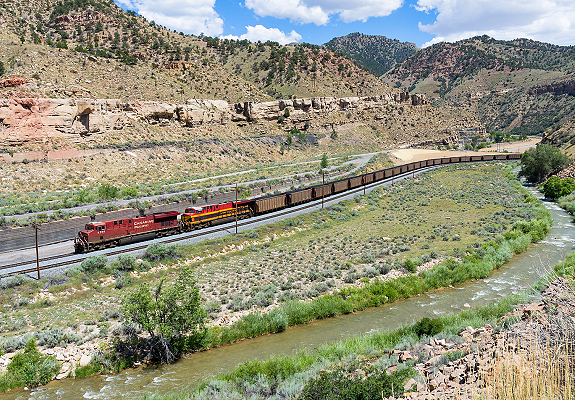
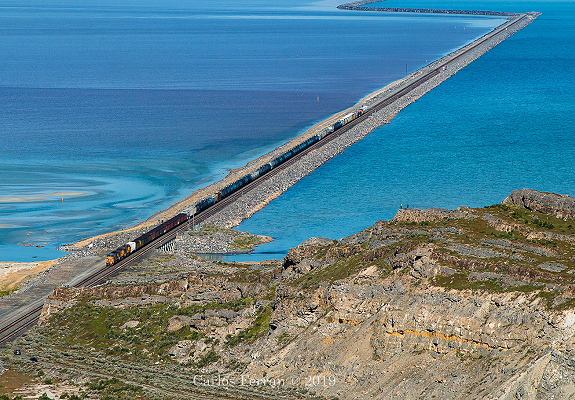
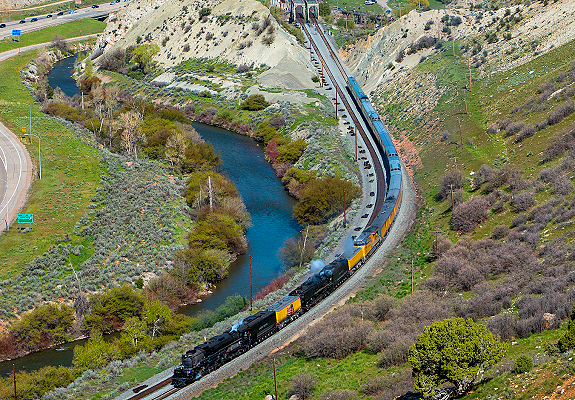
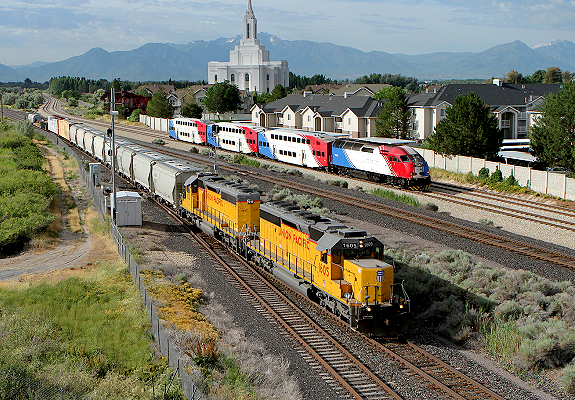
Historians agree that the driving of the golden spike marking the completion of the Transcontinental Railroad at Promontory Summit Utah on 10MAY1869 was one of the most important events in United States history, as it was also in Utah history. Brigham Young, as community leader and president of the Church of Jesus Christ of Latter-day Saints, foresaw the impact that the coming of the railroad would have and wanted the transcontinental rail line built through Salt Lake City. He was aware of the role that a railroad could play in tying a community together as well as connecting a region with the outside world. After representatives of both the Central Pacific and the Union Pacific met with him and explained the difficulty and extra expense of a route through Salt Lake City, Young accepted the decision and helped wherever he could to speed the completion of the project, including arranging for the use of local contractors for the construction of the tracks across the territory. The Union Pacific was the first of the major railroad companies to successfully build within Utah's borders, connecting with the Central Pacific tracks at Promontory in 1869. Twenty years later, Union Pacific had become the largest railroad company in the territory. In 1889 the Union Pacific consolidated the control of its interests in Utah and Idaho through the organization of the Oregon Short Line and Utah Northern Railway.






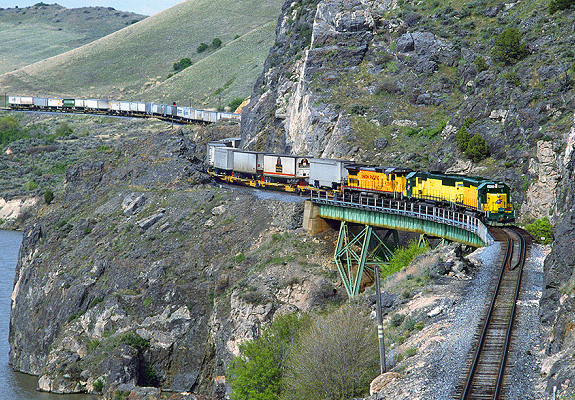
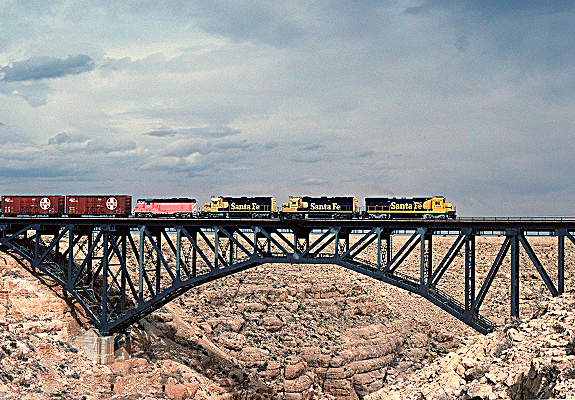
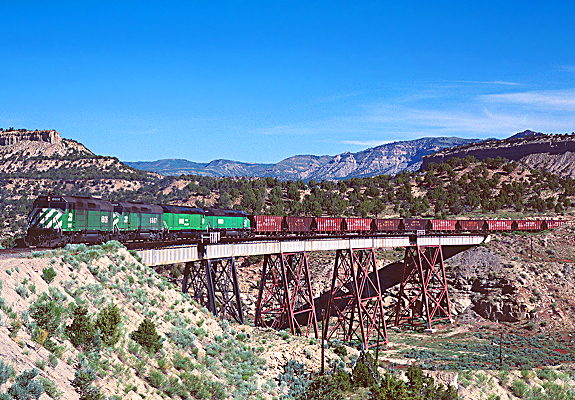
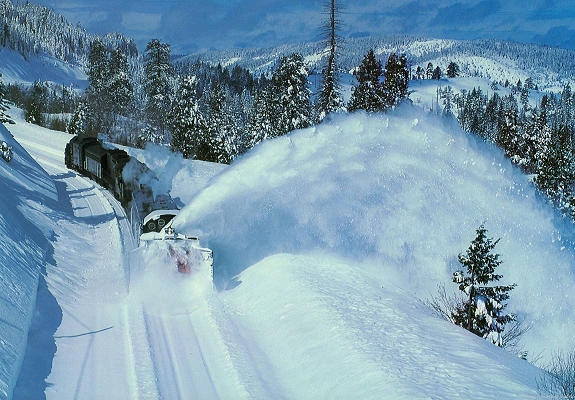
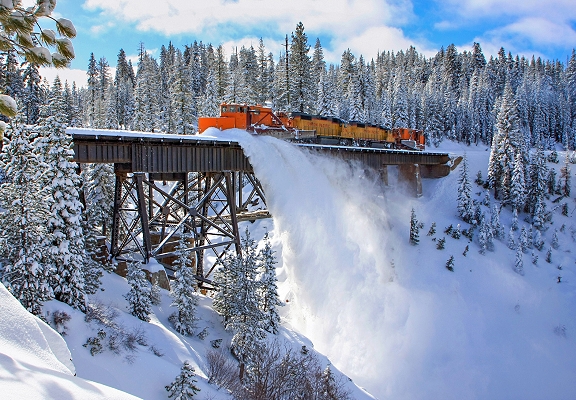
Rail is a constant presence in American life, from the sound of a distant train whistle, to movies with a powerful train running in the background. America's freight railroads are a constant but often overlooked presence. They deliver the consumer staples that stock store shelves, the raw materials that keep manufacturers in production, the energy that heats our homes, the exports that keep America competitive abroad, and just about all the staples we rely on. America's colorful locomotives and railcars are an exciting sight as they bound down the rails, and the foundation on which they ride is just as impressive. At nearly 140,000 miles, the North American rail network has enough track to circle the earth nearly six times. Railroads helped build America, bridging a great divide both symbolically and literally. But this history is itself rooted in technological advancement, with railroads always forging ahead. Freight rail has shaped the country in ways we don't always realize. Today, there is more emphasis on speeding through Utah on highways than on the scenic joys of train travel. But Utah's preservation of its rail history makes this a great state to visit for train enthusiasts. While Utah's economy is expanding at record rates, the state faces inevitable growing pains. Officials are working hard to determine how to best combat the problems that accompany this expansion, like troubling air pollution and increased traffic. Utah's railways are one of the critical solutions to future economic growth, the transportation of goods and a better way of life, less cargo on highways and roads.









Explore Utah was created and is maintained by Explore Utah Online ©2020-2026 (All Rights Reserved) This website was created for the enjoyment of Utah. If you believe copyrighted work is available on this website in a way that constitutes a copyright infringement please contact me for removal. All rights to the images and other materials used belong to their respective owners. I do not claim ownership over any third-party content used. Photos on this website are used for educational purposes only and used with permission and courtesy of: Scott Taylor - Albert Wirtz - Angela Banfield - Catherine Colella - Chase Bartholomew - Danielle Yung - Elliott Hammer - Francisco Ovies - George Gibbs - Greg Kebbekus - Hilary Bralove - Jacob Moogberg - Jim Paton - Jim and Nina Pollock - John Dahlstet - Jay Luber - Jessica Holdaway - John Hammond - John Dahlstet - Logan Selinski - Logan Selinski - Michelle Leale - Mae Thamer - Mark Thompson - Mia & Steve Mestdagh - Michelle Leale - Randy Baumhover - Sven Hähle - Shawn Anthony - Thomas Eckhardt - Thomas Jundt - University Of Utah - Bureau of Land Management - Utah Education Network - Utah History Encyclopedia - Utah League of Cities and Towns - Utah Geological Survey - Ski Utah - Free To Use Photo Websites: Unsplash - Pexels - Freepik - Pixabay - iStock - ShutterStock - Burst - Flickr - PickPik - Rawpixel - HistoryPictureArchive This website contain links to third party websites. The linked sites are not under the control of this website and is not responsible for the contents of any linked website. These links are provided as a convenience only and shall not be construed as an endorsement of, sponsorship of, or affiliated with the linked website ... Send your comments or questions to webmaster@exploreutah.online
